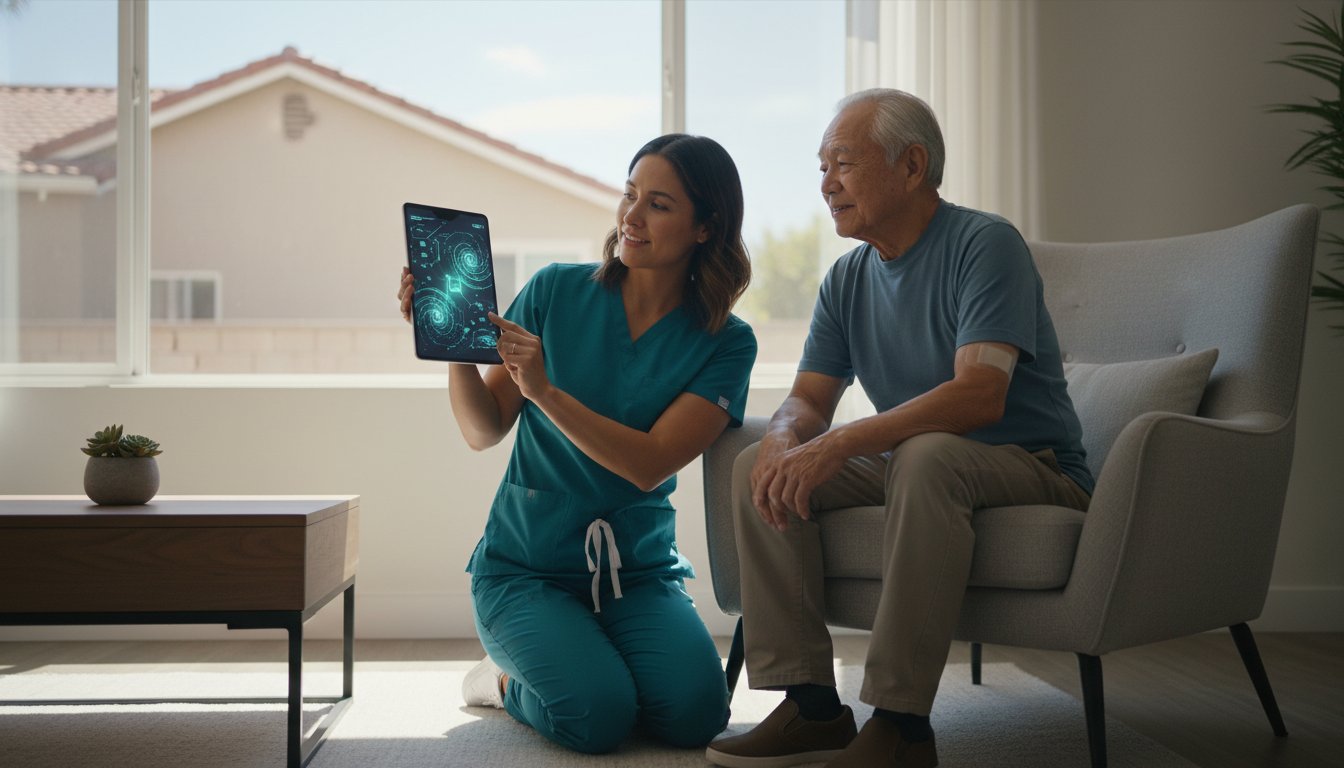
A wound care referral is far more than a simple transfer of patient data; it's a strategic clinical handoff to an elite regenerative team that optimizes long-term vitality. You've likely experienced the frustration of complex insurance authorization hurdles or watched healing stall when a patient transitions from the hospital to their home. Understanding exactly how to refer a patient for mobile wound care is the first step in bridging that gap and ensuring continuity of expert care. By mastering this process, you ensure your patients receive elite, bedside treatments like amniotic membrane grafts and bio-engineered skin substitutes without the typical delays that plague traditional outpatient settings.
This specialist guide provides you with a clear, actionable roadmap to navigate the 2026 regulatory landscape, including the shift toward flat-rate Medicare reimbursement for skin substitutes and intensified CMS documentation requirements. You'll learn the precise steps to coordinate with mobile specialists, ensuring every bedside evaluation leads to a personalized, data-driven treatment plan. We'll examine the essential patient demographics and clinical history needed to streamline authorizations and secure the advanced interventions your patients deserve for superior long-term outcomes.
Key Takeaways
- Identify the "critical window" for specialized intervention to prevent severe complications and optimize long-term patient vitality.
- Streamline your workflow by gathering the essential documentation packet, including patient demographics and clinical notes from the last 21 days.
- Master the precise methodology for how to refer a patient for mobile wound care to facilitate a seamless transition from hospital to home.
- Coordinate effectively with Home Health Agencies and facility partners to ensure comprehensive, "wrap-around" care for complex chronic ulcers.
- Access elite regenerative treatments like amniotic membrane grafts and bio-engineered skin substitutes directly at the patient's bedside.
The Strategic Importance of Prompt Mobile Wound Care Referrals
A mobile wound care referral is a strategic clinical handoff that transitions a patient from general monitoring to specialized, bedside management. This process is essential because traditional care settings often lack the specific tools required to manage advanced pathologies in the home environment. When you understand how to refer a patient for mobile wound care, you're effectively opening a door to regenerative therapies that aren't typically available through standard home health protocols. This specialized transition ensures that high-risk patients don't fall through the gaps of a fragmented healthcare system.
The "Critical Window" for intervention is narrow. Data from 2026 indicates that chronic wounds now represent 66% of the global wound care market, highlighting a growing population at risk for severe complications. Early intervention during this window is the primary defense against limb loss and systemic infection. For providers, this specialized support reduces the administrative and clinical burden on primary care teams. It acts as a vital bridge during the high-risk period immediately following a hospital discharge, ensuring that the complex process of wound healing isn't interrupted by logistical delays or lack of specialized equipment.
Preventing Complications Through Specialized Intervention
Non-healing diabetic ulcers and stage III or IV pressure injuries require more than just passive dressing changes; they demand active biological management. Learning how to refer a patient for mobile wound care allows providers to deploy these advanced interventions immediately. Bedside sharp debridement, performed by a mobile specialist, is a proactive measure that removes necrotic tissue and bioburden before it can trigger systemic sepsis. While general home health agencies provide excellent supportive care, they often don't have the specialized wound certifications or advanced supplies, like bio-engineered skin substitutes, needed for recalcitrant wounds. Partnering with a mobile specialist ensures these high-risk patients receive the same level of care they'd find in a hospital outpatient center, but within the safety of their own residence.
Enhancing Patient Longevity and Quality of Life
Healing is as much a psychological journey as it is a biological one. Receiving elite, regenerative care in a familiar environment significantly reduces patient stress, which is a known inhibitor of recovery. Mobile specialists focus on data-driven outcomes, utilizing precise diagnostic tools to achieve faster closure rates than traditional methods. By positioning advanced wound management as a pillar of proactive systemic health, we empower patients to reclaim their physical excellence. This approach treats the wound not just as an isolated injury, but as a critical factor in the individual's long-term vitality and overall quality of life. It's a visionary strategy that prioritizes the patient's long-term health outcomes through precision medicine.
The Referral Checklist: Essential Documentation for Advanced Services
Precision in the referral process is the catalyst for regenerative healing. When you master how to refer a patient for mobile wound care, you eliminate the administrative friction that often delays critical bedside interventions. Medicare Part B compliance in 2026 requires meticulous detail, especially following the implementation of flat-rate reimbursement for skin substitutes at $127.28 per square centimeter. To ensure your patient qualifies for advanced therapies like amniotic membrane grafts, your documentation must reflect a clear history of medical necessity and previous failed standard-of-care treatments.
The core documentation packet acts as a clinical roadmap for the specialist. You'll need to provide:
- A current Patient Face Sheet with updated demographics and contact information.
- Digital copies of primary and secondary insurance cards to expedite benefit verification.
- Clinical progress notes and precise wound measurements recorded within the last 21 days.
- A signed order from a physician, PA, or NP stating 'Wound Care: Evaluate and Treat'.
Understanding the Medicare coverage criteria for home health is vital for establishing the clinical framework of the referral. This ensures the patient meets the necessary requirements for bedside management while maintaining compliance with federal standards. Aligning your practice with advanced wound care specialists ensures that these documentation hurdles never stand between your patient and physical excellence.
Required Clinical Documentation
The strength of a referral lies in its clinical depth. When determining how to refer a patient for mobile wound care, the inclusion of a comprehensive medication list and active comorbidities is essential. Factors like Peripheral Artery Disease (PAD) or Chronic Venous Insufficiency are critical for determining the appropriate application of compression therapy or negative pressure wound therapy (NPWT). For post-surgical wounds, be mindful of the 90-day global period; you must document that the specialized wound care is distinct from the surgical procedure to ensure seamless coordination between the surgeon and the mobile specialist.
Helpful Supplemental Data for Faster Triage
Data-driven decisions lead to superior outcomes. Providing high-resolution wound photos allows the triage team to assess the wound bed's status before the first visit. For patients with diabetic ulcers, include the most recent HbA1c lab results. Systemic glucose control is a primary predictor of healing velocity. If vascular imaging like an ABI or arterial ultrasound is available, include these findings to help the specialist determine the healing potential of the tissue. This proactive approach allows the mobile team to arrive at the bedside prepared with the specific bio-engineered skin substitutes or grafts required for the patient's unique biological profile.
Coordinating Care Across Southern California Facilities
Coordinating advanced clinical care in a vast metropolitan landscape like Los Angeles requires a visionary approach to logistics. Case managers at major medical centers often face the challenge of discharging patients with complex ulcers who cannot easily travel for follow-up. Knowing how to refer a patient for mobile wound care early in the discharge planning phase prevents the "revolving door" of hospital readmissions. By integrating a mobile specialist into the transition plan, you ensure that high-end treatments like bio-engineered skin substitutes are ready for the patient the moment they arrive at their private Beverly Hills residence or a suburban home in Orange County.
The Southern California care ecosystem relies on a seamless flow of data between hospital discharge teams, family members, and the mobile specialist. In 2026, the chronic wound segment is projected to account for 66% of the market, making efficient coordination more critical than ever. This process ensures that no detail of the individual's health is overlooked during the move from an acute care setting to a home environment. It's about building a personalized roadmap for self-actualization through physical excellence.
Home Health Agency (HHA) Partnerships
Home health agencies are the backbone of home recovery, yet their scope is often limited to standard nursing care. We provide a "wrap-around" model where the mobile specialist performs high-tech diagnostic and regenerative procedures while the HHA handles daily maintenance and dressing changes. This collaboration is designed to avoid duplicating Medicare billing; the specialist bills under Part B while the agency operates under the home health benefit. This strategic partnership optimizes home health wound care by bringing a higher tier of clinical expertise to the bedside without disrupting the agency's workflow.
Assisted Living and SNF Coordination
For patients in Glendale assisted living or skilled nursing facilities, the logistical burden of visiting a traditional wound center is immense. Transporting a fragile patient is not only costly but also physically traumatic, which can impede the healing process. Our mobile model brings the wound center directly to the facility. This allows for on-site bedside evaluations and immediate sharp debridement without the patient ever leaving their room. We also prioritize training facility staff on the implementation of the specialist's treatment plan. This ensures that every shift maintains the high standards required for chronic wound management, ultimately driving faster closure rates and improving long-term health outcomes. When you understand how to refer a patient for mobile wound care, you're choosing a path that prioritizes the patient's comfort and clinical excellence simultaneously.

How to Refer a Patient to Healix360: A Step-by-Step Guide
The clinical handshake between a referring provider and a specialized mobile team is the foundation of patient recovery. Moving beyond the theoretical benefits of bedside management requires a clear, actionable process. When you understand how to refer a patient for mobile wound care, you're not just sending a form; you're initiating a sophisticated clinical pathway designed to restore physical excellence. Our process is built for efficiency, ensuring that patients in the Southern California region transition from chronic vulnerability to active healing without unnecessary administrative friction.
To begin the referral process, follow these five strategic steps:
- Step 1: Clinical Identification. Determine if the wound is chronic (non-healing for over 30 days) or presents a complex etiology, such as a diabetic ulcer or a stage IV pressure injury.
- Step 2: Documentation Synthesis. Gather the patient's Face Sheet, active insurance cards, and clinical notes from the last three weeks to establish medical necessity.
- Step 3: Secure Transmission. Submit the completed packet through the Healix360 HIPAA-compliant portal or via our dedicated clinical fax line.
- Step 4: Expert Triage. Our team conducts a proactive review, verifying Medicare Part B eligibility and ensuring the case aligns with 2026 reimbursement standards, including the $127.28 per square centimeter flat rate for skin substitutes.
- Step 5: Bedside Consultation. Once verified, we coordinate the initial bedside evaluation, bringing the expertise of our licensed physicians directly to the patient's home.
Submission Methods for Los Angeles Providers
Precision matters when timing is a factor in tissue viability. Providers in the Los Angeles metro area can utilize our encrypted online referral portal for immediate processing. This digital-first approach allows for real-time tracking of the referral status. For facilities that rely on traditional workflows, we maintain high-capacity fax lines to receive clinical records and physician signatures. If you're managing an urgent case in Glendale or the surrounding areas that requires a next-day evaluation, direct phone coordination is available to expedite the triage process. You can initiate your first referral today through our secure provider portal.
What to Expect During Triage
Our triage process is a data-driven filter that ensures every patient receives the appropriate level of specialized care. Healix360's team proactively verifies insurance coverage and confirms that the documentation meets the rigorous 2026 CMS documentation requirements. This step is vital for maintaining compliance and securing the advanced biological grafts required for non-healing wounds. Once the patient is accepted into our program, we provide immediate communication back to your office, closing the loop and confirming the scheduled visit date. Our advanced wound care specialists then take the lead, implementing a personalized roadmap for the patient's long-term systemic health.
The Healix360 Advantage: From Referral to Regenerative Healing
Healing is a biological symphony that requires the right conductor. When you finalize how to refer a patient for mobile wound care, you're choosing to move beyond passive wound management and toward active tissue restoration. We don't just cover wounds; we catalyze regeneration using the latest breakthroughs in cellular science. This approach ensures that patients who once faced the threat of chronic infection or amputation now have a clear, data-driven roadmap toward physical excellence. By bringing the wound center to the bedside, we eliminate the barriers that traditionally stall the recovery of high-achieving individuals.
Our methodology integrates advanced technology with a philosophy of proactive prevention. We utilize Negative Pressure Wound Therapy (NPWT) and specialized compression systems to manage the microenvironment of the wound bed. This precision management is essential for preventing the complications that lead to hospital readmissions. Every visit is documented with meticulous detail, ensuring that the referring provider receives comprehensive progress notes that mirror our mastery over complex biological data. It's a visionary strategy that views health as a valuable asset to be protected and optimized.
Advanced Treatment Modalities
Accessing skin substitute technology at the bedside is a fundamental shift in the site of care for 2026. Our board-certified specialists perform precise sharp debridement to prepare the wound bed for the application of amniotic membrane grafts and bio-engineered tissues. These biological allografts provide the scaffolding necessary to manage complex diabetic ulcers and recalcitrant venous injuries that have failed standard treatments. By deploying these elite interventions in the home, we provide a level of care that was previously only available in high-end clinical environments, bridging the gap between laboratory data and daily quality of life.
A Partnership for Long-Term Vitality
A true clinical partnership relies on transparency and the seamless exchange of information. We prioritize closing the feedback loop by keeping primary care physicians and case managers informed through rhythmic, structured reporting. This collaborative approach ensures that no detail of the individual's systemic health is overlooked. By accelerating wound closure through regenerative medicine, we significantly reduce the total cost of care and the psychological burden of chronic illness. Empowering patients to reclaim their mobility and independence is our ultimate goal. When you master how to refer a patient for mobile wound care, you're not just selecting a service; you're choosing a partner dedicated to the self-actualization of every patient through superior clinical outcomes.
Advancing the Standard of Bedside Regenerative Care
Mastering the nuances of how to refer a patient for mobile wound care transforms a standard clinical handoff into a visionary strategy for patient recovery. By prioritizing precise documentation and early intervention, you ensure your patients access elite treatments like amniotic membrane grafts and bio-engineered skin substitutes without the logistical trauma of facility transport. This strategic partnership bridges the gap between acute care and long-term vitality, focusing on data-driven outcomes that protect the individual's most valuable asset: their health.
Healix360 operates as a dedicated Medicare Part B provider, connecting you with board-certified wound specialists who deliver precision care directly to the patient's home. We serve Glendale, Los Angeles, and the broader Southern California region, providing a seamless roadmap for complex chronic wound management and systemic healing. Our team is committed to maintaining the highest standards of clinical excellence while fostering a human-centric approach that inspires trust through scientific rigor.
Refer Your Patient to Healix360 Today to initiate their journey toward physical excellence and lasting independence. We're ready to partner with you in redefining the possibilities of home-based recovery and ensuring no detail of your patient's health is overlooked.
Frequently Asked Questions
Who is authorized to refer a patient for mobile wound care services?
Licensed physicians, nurse practitioners, and physician assistants are authorized to sign the 'evaluate and treat' orders required for specialized mobile wound care. Hospital case managers and discharge planners frequently initiate the process to ensure a seamless transition to the home environment. We require a formal order from a provider with prescribing authority to maintain clinical compliance and initiate advanced regenerative treatments at the bedside.
Does Medicare Part B cover mobile wound care consultations and treatments?
Yes, Medicare Part B covers mobile wound care services when they are deemed medically necessary and provided by a licensed specialist. This coverage includes bedside evaluations, sharp debridement, and advanced biological applications like amniotic grafts. Understanding how to refer a patient for mobile wound care through the Part B benefit allows patients to receive high-tier interventions without the restrictions often found in traditional home health caps.
What is the typical turnaround time from referral to the first patient visit?
We typically complete the triage and insurance verification process within 24 to 48 hours of receiving a complete documentation packet. Once the patient's eligibility is confirmed, our scheduling team coordinates the initial bedside evaluation based on the specialist's availability in the patient's specific geographic area. Urgent requests for evaluations in certain metropolitan zones may be prioritized to prevent further tissue degradation or systemic infection.
Can a family member or caregiver initiate the referral process?
Family members or caregivers can initiate the initial inquiry, but a formal referral requires a signed medical order from a licensed healthcare provider. If a caregiver notices a non-healing wound, they should contact the patient's primary physician to request a specialized wound care evaluation. Our team can then work directly with that physician's office to gather the necessary clinical history and demographics to start the process.
Do you coordinate with existing home health agencies already seeing the patient?
We actively collaborate with existing home health agencies (HHAs) to provide a wrap-around care model that avoids duplication of services. While the HHA focuses on general nursing and daily dressing changes, our specialists handle advanced procedures like sharp debridement and regenerative graft applications. This partnership ensures the patient receives comprehensive management while ensuring that how to refer a patient for mobile wound care aligns with Medicare's non-duplication guidelines.
What documentation is required for patients with post-surgical wounds?
Post-surgical referrals must include the operative report and clear documentation that the wound care is distinct from the surgeon's global period management. We require specific notes detailing why the surgical site has failed to heal through standard post-operative protocols. This clinical evidence is essential for demonstrating medical necessity for advanced interventions like negative pressure wound therapy (NPWT) or bio-engineered skin substitutes in the home setting.
Are your services available for patients in assisted living facilities in Glendale?
Yes, our mobile wound care specialists provide bedside evaluations and treatments for patients residing in assisted living and skilled nursing facilities throughout Glendale. We bring all necessary diagnostic tools and regenerative products directly to the facility, eliminating the need for stressful and costly patient transport. This on-site approach allows facility staff to observe the treatment plan and maintain high standards of daily wound management for the patient.
What happens if a patient does not have Medicare Part B?
If a patient lacks Medicare Part B, we recommend contacting our intake team to discuss alternative coverage options or private pay arrangements. While we primarily operate as a Medicare Part B provider, we evaluate other insurance plans on a case-by-case basis to determine eligibility for our advanced mobile services. Our goal is to ensure that every individual with a chronic wound has a pathway to specialized regenerative healing regardless of their primary coverage.


