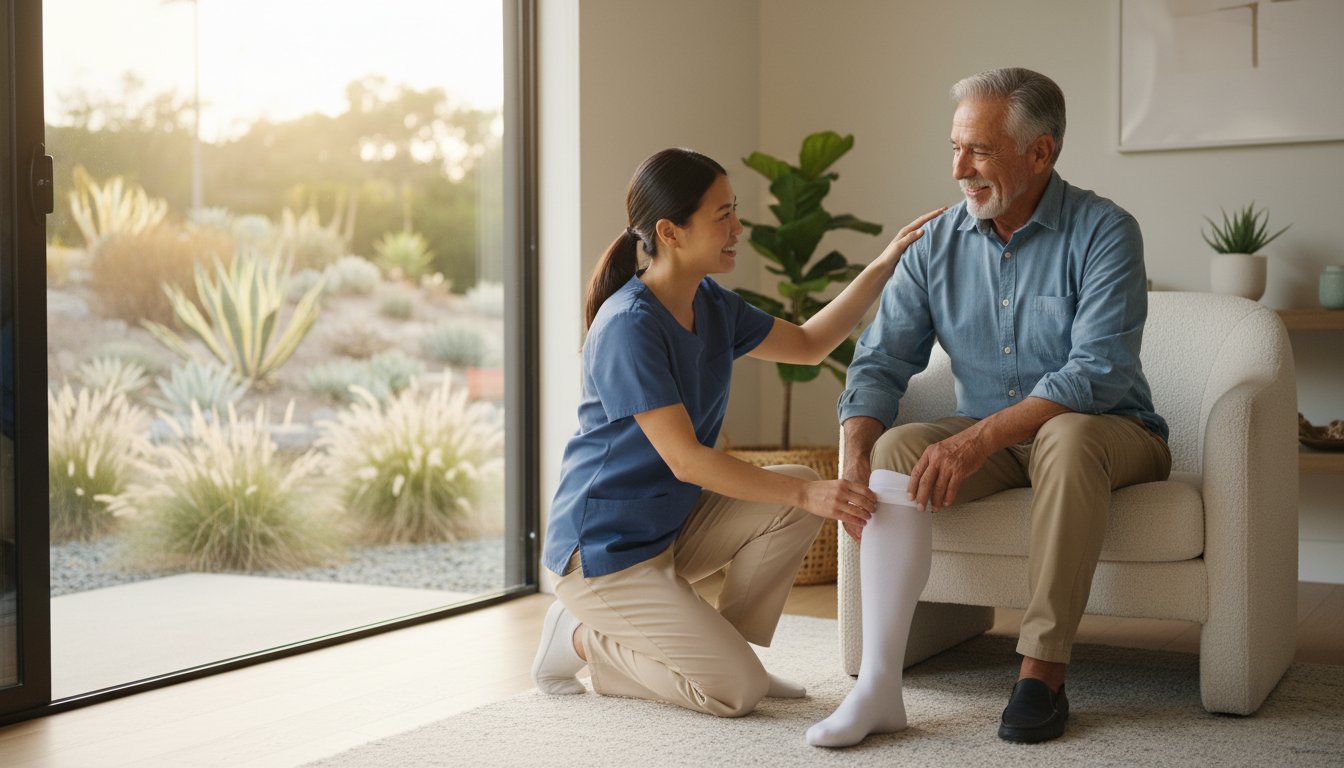
What if the most effective way to prevent a serious infection isn't a trip to a wound center, but a shift in how you treat your body at home? For the 1 to 3% of Americans currently living with venous leg ulcers, the daily reality of heavy, painful legs is often worsened by the anxiety of potential amputation. You're likely exhausted by the cycle of persistent swelling and the logistical nightmare of traveling through Southern California traffic for specialized care. It's common to feel that managing leg edema and ulcers at home is an uphill battle against biology; however, recent advancements in mobile clinical care have redefined what's possible for your recovery.
We believe your health is your most valuable asset, and maintaining it shouldn't require sacrificing your quality of life. This guide provides the expert roadmap you need to master fluid control and accelerate wound closure using the same scientific rigor found in elite clinics. You'll learn how to leverage 2026 Medicare coverage for lymphedema garments, understand why advanced biological grafts improve healing rates by up to 80%, and discover how a 360-degree approach to vascular optimization can restore your mobility and confidence.
Key Takeaways
- Learn how to disrupt the cycle of venous insufficiency by understanding the physiological link between chronic fluid accumulation and skin breakdown.
- Master a 4-pillar strategy for managing leg edema and ulcers at home that focuses on dietary optimization and precise fluid management.
- Identify the professional hygiene techniques required to protect emerging tissue and how to objectively measure wound closure progress.
- Discover the transformative potential of regenerative interventions, including amniotic membrane grafts and advanced compression therapy systems.
- Gain access to elite clinical care through mobile wound specialists who deliver hospital-grade treatments directly to your residence.
Understanding the Connection: Why Leg Edema Leads to Ulcers
Health is a system of interconnected pressures. Peripheral edema, the clinical accumulation of interstitial fluid in your lower extremities, isn't just a cosmetic annoyance; it's a structural failure of your vascular integrity. When you're managing leg edema and ulcers at home, you're essentially managing a hydraulic system where the return valves have lost their precision. This condition, often termed Chronic venous insufficiency, occurs when the one-way valves in your veins fail to push blood back to the heart. As blood pools, the resulting hydrostatic pressure forces fluid into the surrounding tissues, leading to that familiar sensation of "heavy legs."
By 2026, we've identified specific biomarkers that predict when this swelling will turn into a wound. High levels of Matrix Metalloproteinases (MMPs) and elevated inflammatory cytokines in the skin tissue now serve as early warning signals for skin breakdown. If left unoptimized, the skin eventually becomes macerated, thin, and fragile. This sets the stage for a venous stasis ulcer, a non-healing wound that often begins as a simple scratch but refuses to close due to the underlying fluid pressure. Understanding this biological trajectory is the first step toward reclaiming your vascular health.
The Biological Impact of Chronic Swelling
Chronic swelling creates a physical barrier to longevity and performance. Excess fluid in the interstitial space acts as a pressurized dam, preventing oxygenated blood and essential nutrients from reaching the skin's surface. Without oxygen, cells cannot regenerate, and the skin's natural defense mechanisms begin to fail. Chronic inflammation then takes hold, flooding the area with proteins that stall the healing process. Venous stasis is the primary driver of 80% of lower-leg ulcers. This biological stagnation makes managing leg edema and ulcers at home a race against cellular starvation.
Identifying Your Ulcer Type at Home
Successful recovery starts with a precise diagnosis. Not all leg wounds are created equal, and treating an arterial wound with venous protocols can be counterproductive. Use these clinical distinctions to assess your status:
- Venous Ulcers: Usually located near the inner ankle; irregular edges; often accompanied by skin discoloration and significant fluid drainage.
- Arterial Ulcers: Found on extremities like toes or heels; distinct "punched-out" appearance; skin often feels cold or looks pale.
If you notice "oedema legs" that feel numb, cold, or exhibit a waxy texture, you might be facing diabetic neuropathic complications. These require an even more meticulous approach to care to avoid the risk of infection. For a deeper look at the vascular context behind these symptoms, consult our managing edema in legs guide to ensure your strategy is built on a foundation of scientific data and proactive prevention.
The 4-Pillar Strategy for Managing Edema at Home
Mastering the physiological environment of your lower limbs requires more than passive recovery. It demands a structured approach to fluid optimization. While many turn to salt baths for immediate relief, these are merely temporary comforts that fail to address the underlying valvular dysfunction. True vascular longevity is built on proactive biomarker monitoring, specifically tracking daily weight fluctuations and limb circumference to catch fluid shifts before they compromise skin integrity. By implementing venous ulcer self-care instructions, you transition from reactive care to a state of proactive prevention.
Step 1: Precision Elevation and Gravity Management
Gravity is either your greatest adversary or your most effective ally. Precision elevation follows the "Heart-Level" rule, where your ankles must be positioned 6 to 10 inches above your heart to facilitate effective lymphatic drainage. Clinical data suggests that 30 minutes of elevation, performed three times daily, serves as the gold standard for reducing hydrostatic pressure. A common error involves placing pillows directly under the knees; this actually constricts blood flow. Instead, support the entire length of the calf and ankle to ensure an unobstructed path for fluid return.
Step 2: Nutritional Optimization for Vascular Strength
Your vascular system relies on specific building blocks to maintain its structural resilience. Sodium management is critical, but it's not just about restriction; it's about balancing electrolytes to prevent the cellular "thirst" that triggers fluid retention. Paradoxically, dehydration worsens edema because the body enters a survival mode, clinging to every milliliter of available fluid. Focus on bio-available proteins and micronutrients like Vitamin C and Zinc, which are essential for synthesizing the collagen needed for skin integrity. If you're feeling overwhelmed by these dietary shifts, our personalized wound care treatment plans can help align your nutrition with your healing goals.
Step 3: Safe Movement and Calf-Pump Activation
Practical Wound Care: Monitoring and Dressing Ulcers
Excellence in wound recovery requires a shift in perspective. You aren't just changing a bandage; you're managing a complex biological micro-environment. Success in managing leg edema and ulcers at home depends on maintaining a sterile, organized residential space that rivals a professional clinic. When cleaning the wound, avoid aggressive scrubbing. High-achievers often mistake intensity for effectiveness, but emerging tissue is incredibly fragile. Use a gentle saline rinse to remove debris without disrupting the epithelial cells that are working to close the wound gap.
To track your progress with clinical precision, use the "Object Comparison" method. Place a common item, like a dime or a quarter, near the wound and take a high-resolution photo under consistent lighting. This provides an objective baseline for measuring surface area reduction over time. You should also monitor exudate, or wound fluid. While clear or light amber drainage is a normal part of the inflammatory phase, cloudy, green, or foul-smelling fluid signals a breakdown in the healing process. Maintaining this 360-degree view of your wound's status ensures that no detail of your recovery is overlooked.
The Tissue Color Roadmap
Your wound's color is a real-time biomarker of its health. Pink or beefy red tissue indicates healthy granulation and epithelialization; it's the "peak performance" signal you want to see. Conversely, yellow or white stringy material is slough. This is a biofilm that acts as a physical barrier to healing and usually requires professional sharp debridement to clear the path for new growth. The most critical warning sign is black or brown tissue, known as eschar. This necrotic tissue is dead biological matter that can harbor deep-seated infections. You must never attempt to "pick" or remove eschar at home, as this can cause significant trauma to the underlying vascular structures.
When to Call a Specialist: Red Flag Symptoms
Even with meticulous care, some wounds require advanced intervention to avoid complications. Recognizing the early signs of cellulitis treatment needs is vital for preventing systemic infection. Watch for the "Rule of 2cm": if redness spreads more than 2 centimeters beyond the wound edge, the infection has likely moved into the surrounding skin. Foul odors, increased localized heat, or a sudden escalation in pain are clear indicators that your home protocol needs an expert upgrade. If you experience a shift in sensation or deep tissue discomfort, an immediate bed sores ulcer assessment can determine if the wound has progressed to a more complex stage requiring specialized grafts or negative pressure therapy. Managing leg edema and ulcers at home is a partnership between your daily diligence and our clinical expertise.

Advanced Interventions: Compression and Regenerative Grafts
The transition from standard care to peak performance wound healing often involves the mobile delivery of these advanced technologies. For residents across Southern California, from the hills of Ventura to the coast of San Diego, the ability to receive bio-engineered skin substitutes in a residential setting is a transformative development. This approach eliminates the physiological stress of travel, which is a known inhibitor of vascular recovery. It places the most modern tools of regenerative medicine exactly where they are needed most: at your bedside.
Compression Therapy: The Foundation of Healing
Successful fluid management relies on the physics of graduated pressure. While standard compression socks provide a baseline level of support, professional multi-layer bandaging systems offer a more precise therapeutic intervention. For most patients, a pressure range of 20-30 mmHg represents the therapeutic sweet spot for facilitating venous return without compromising comfort. However, you must verify adequate arterial flow before applying high compression, as poor circulation can lead to tissue ischemia. For active ulcers with heavy drainage, adjustable wrap systems are often superior to traditional stockings because they allow for daily adjustments as limb circumference decreases.
Regenerative Solutions at Your Bedside
Modern skin substitute technology acts as a sophisticated architectural scaffold, providing the structural matrix necessary for new skin cells to migrate and thrive. Amniotic allografts are particularly effective in this role because they are rich in growth factors and cytokines that naturally dampen inflammation and reduce localized pain. Clinical data indicates that these advanced grafts can reduce healing time by up to 50% in ulcers that have previously failed to respond to standard care. If your current protocol has plateaued, it's time to consider a more aggressive, data-driven approach. Schedule a professional bedside assessment to see if your wound is a candidate for regenerative optimization.
Healix360: Mobile Wound Specialists in Southern California
Advanced Care, Delivered to Your Door
Our mobile model consistently outperforms traditional outpatient clinics in patient compliance because we remove the physical barriers to consistent treatment. We arrive equipped with the same high-tech diagnostic and therapeutic tools found in premier hospital environments. Our specialists provide sharp debridement, amniotic membrane grafts, and Negative Pressure Wound Therapy (NPWT) directly at your bedside. Our primary objective is the preservation of limb integrity; by providing early, aggressive intervention, we significantly reduce the risk of systemic infection and work to prevent the life-altering outcomes associated with amputation. This focus on peak performance ensures your recovery remains on a steady, rhythmic trajectory.
Navigating Insurance and Medicare in LA
Understanding the financial landscape of 2026 healthcare is essential for sustainable wellness. Our team specializes in coordinating mobile wound care through Medicare Part B, providing a level of administrative support that's rare in modern medicine. We handle the complexities of billing and clinical documentation so you can focus entirely on the transformative results of your treatment. This integrative approach ensures that managing leg edema and ulcers at home is a stress-free experience backed by clinical authority. You don't have to navigate the complexities of vascular recovery alone. Experience the Healix360 difference; schedule your in-home assessment today.
Your Roadmap to Restored Vascular Performance
Your journey toward healing is a deliberate process of biological optimization. By mastering the clinical pillars of fluid management and recognizing the early biomarkers of tissue breakdown, you've already taken the most important step in protecting your long-term longevity. Successfully managing leg edema and ulcers at home requires a 360-degree approach that combines your daily commitment with the latest breakthroughs in regenerative medicine. This synergy is what transforms a chronic condition into a story of recovery.
As a Medicare Part B provider, our board-certified specialists bring advanced amniotic membrane grafts and professional debridement directly to your residence, removing the logistical barriers to recovery. Studies show that advanced biologics improve wound closure rates by 60% to 80% compared to standard care, offering a clear path back to the active lifestyle you value. You have the power to stop the progression of venous disease and prevent the risks of long-term complications through proactive, data-driven interventions. Your health is your most valuable asset, and it's time to treat it with the precision it deserves.
Request an In-Home Wound Assessment from Healix360 Specialists today. You deserve the confidence that comes with expert clinical care and transformative results in the comfort of your own home.
Frequently Asked Questions
Is it safe to manage a leg ulcer at home without a doctor?
How can I tell if my leg edema is a sign of a heart problem?
Leg edema that appears bilaterally and is accompanied by shortness of breath or persistent fatigue may indicate a systemic issue like congestive heart failure. Localized swelling often stems from venous insufficiency, but sudden, severe fluid retention should always be evaluated through cardiovascular biomarkers. Monitoring your daily weight is a critical practice; a gain of 2 to 3 pounds in 24 hours often signals a need for immediate cardiac assessment.
Does Medicare cover mobile wound care specialists in Los Angeles?
Medicare Part B provides coverage for mobile wound care specialists in Los Angeles and the surrounding Southern California counties. These services are classified as professional bedside evaluations, meaning you can receive hospital-grade care without leaving your residence. We coordinate directly with your insurance to ensure your personalized treatment plan meets all Medicare compliance standards implemented for the 2026 calendar year.
What is the best way to clean a leg ulcer at home?
The gold standard for wound hygiene is gentle irrigation using a sterile normal saline solution. Avoid using harsh chemicals like hydrogen peroxide or iodine because these substances can be cytotoxic and destroy the fragile new cells necessary for epithelialization. When managing leg edema and ulcers at home, focus on a "less is more" approach to cleaning that preserves the delicate wound bed architecture while removing surface debris.
Can compression stockings make a leg ulcer worse?
Compression stockings can be detrimental if you have underlying peripheral arterial disease (PAD). Applying high pressure to a limb with restricted arterial flow can cause tissue ischemia and worsen existing ulceration. It's vital to have an Ankle-Brachial Index (ABI) test performed by a specialist before starting any high-pressure compression regimen to ensure your vascular system can safely handle the external force.
What should I do if my leg ulcer starts to smell or leak more fluid?
An increase in foul odor or a shift in exudate volume is a clinical red flag for localized infection or biofilm formation. If you notice the "Rule of 2cm", where redness extends more than 2 centimeters beyond the wound margin, you must contact a specialist immediately. These symptoms suggest that your current strategy for managing leg edema and ulcers at home has reached its limit and requires professional intervention like sharp debridement or culture testing.
How long does it typically take for a venous ulcer to heal with professional home care?
Most venous ulcers show significant improvement within 12 weeks of initiating a professional home care protocol. However, the integration of advanced regenerative therapies can accelerate this timeline. Clinical data from 2026 indicates that patients utilizing amniotic membrane grafts often see a 50% reduction in healing time compared to those using traditional dressings alone. Your specific recovery trajectory depends on your adherence to compression and nutritional optimization.


