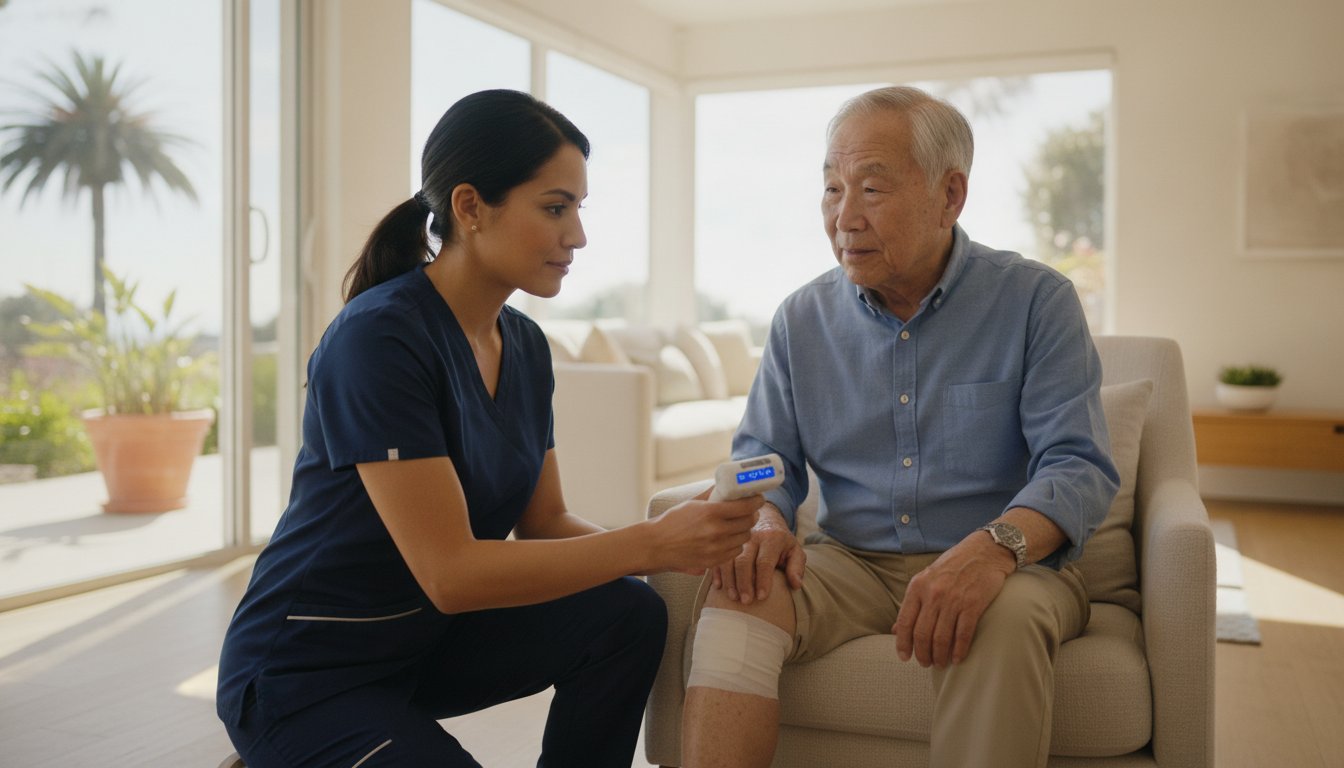
Did you know that surgical site infections account for approximately 20% of all hospital-acquired infections, often doubling a patient's hospital stay by an average of seven to ten days? When you notice increasing redness or discharge, the immediate fear of hospital readmission or secondary infection can feel overwhelming. You shouldn't have to choose between the safety of clinical expertise and the comfort of your own bedroom. Our approach to surgical site infection treatment at home bridges this gap by delivering specialist-level wound care directly to your bedside.
We understand that transporting an immobile patient to a clinic is a significant physical burden that often complicates the healing process. This guide explores how advanced mobile wound care utilizes regenerative medicine, such as bio-engineered skin substitutes and negative pressure therapy, to secure your recovery. You'll discover a proactive strategy for preventing wound dehiscence and sepsis while achieving rapid, lasting results through a personalized roadmap for healing. By integrating high-tech diagnostics with a philosophy of proactive care, we ensure that every detail of your recovery is managed with precision and expertise.
Key Takeaways
- Identify the subtle clinical markers of infection, such as progressive redness around staples and localized heat, to catch complications before they escalate.
- Understand the critical 30 to 90 day post-operative window and how infections are categorized by depth to determine the necessary level of intervention.
- Explore the methodology behind advanced surgical site infection treatment at home, which brings regenerative technologies like amniotic membrane grafts directly to your bedside.
- Recognize the strategic shift from basic prevention to active clinical resolution, ensuring you avoid the risks of hospital readmission through timely, expert intervention.
- Learn how mobile wound specialists in Southern California facilitate a seamless recovery by integrating directly with your existing surgical and home health teams.
What is a Surgical Site Infection (SSI)?
Surgery is a sophisticated intervention designed to restore function and vitality; however, the healing journey doesn't conclude when you leave the operating room. A Surgical site infection (SSI) is a clinical complication that occurs at the site of a procedure, typically manifesting within 30 to 90 days post-surgery. An SSI is a manageable complication when addressed with professional expertise. Early detection is the primary factor in avoiding surgical wound dehiscence and systemic issues. By securing advanced surgical site infection treatment at home, you place yourself at the center of a proactive care model that prioritizes both clinical safety and personal convenience.
The Three Levels of Surgical Infections
Clinical specialists categorize these infections based on the depth of tissue involvement to determine the most effective intervention strategy. This data-driven approach ensures that care is tailored to your specific biological needs and recovery goals.
- Superficial Incisional: This level affects only the skin and the subcutaneous tissue immediately surrounding the incision. It is the most frequent form and generally responds rapidly to expert intervention.
- Deep Incisional: These infections penetrate the deeper soft tissues, including the fascia and muscle layers. They require more intensive monitoring to ensure the structural integrity of the surgical site remains intact.
- Organ or Space: As the most serious classification, these involve any part of the anatomy opened or manipulated during the procedure, excluding the skin and muscle layers. These require immediate, high-level clinical oversight to prevent systemic complications.
Common Pathogens and Risk Factors
The biological environment of a healing wound is highly complex, requiring a balance of sterile technique and robust immune function. Most infections are driven by common pathogens like Staphylococcus aureus, which can compromise the repair process if left unchecked. Your systemic health plays a decisive role in how your body manages these bacterial challenges. Comorbidities such as diabetes or obesity can alter vascular efficiency and immune response, making surgical site infection treatment at home a vital component of a comprehensive recovery strategy for many patients. Lifestyle factors also carry significant weight; smoking and poor nutritional intake can starve healing tissues of the oxygen and micronutrients they need to regenerate. By optimizing these variables, you empower your body to maintain its trajectory toward physical excellence and complete recovery.
Recognizing Signs of Infection at the Incision Site
Monitoring a surgical incision requires more than a casual glance; it demands a disciplined observation of the body's biological signals. While a degree of inflammation is expected, progressive changes in the tissue often suggest that the healing trajectory has shifted. By identifying these markers early, you can initiate surgical site infection treatment at home before minor complications become systemic threats. Vigilance is your most powerful tool in the days following a procedure.
Watch for localized heat and swelling that persists or intensifies. While a thin line of pink skin around staples is normal, a spreading, deep redness often indicates an escalating immune response. You should also be aware of purulent drainage, commonly known as pus. Unlike the clear or slightly yellow serous fluid that naturally leaks from a fresh wound, purulent discharge is thick, opaque, and may appear green or tan. This change in consistency is a clear indicator of bacterial activity.
The odor test remains a definitive diagnostic marker. A foul or sweet smell emanating from the dressing is not a normal part of the recovery process; it is a sign of bacterial colonization. If you notice these localized signs accompanied by systemic symptoms like fever or chills, your body is signaling that the infection may be spreading beyond the incision site. Addressing these signs proactively ensures that your recovery remains on a path toward physical excellence.
Visual Indicators of Wound Distress
Examine the edges of your incision carefully. Healthy tissue should appear vibrant and well-perfused, but dark, dusky, or gray edges suggest a lack of oxygenated blood flow. You should also watch for signs of tunneling or undermining. This occurs when the infection creates hidden pockets or tracks beneath the surface of the skin, even if the top layer appears closed. Adhering to the WHO global guidelines for SSI prevention involves recognizing these visual red flags to ensure the structural integrity of the surgical site is maintained.
Pain Progression as a Diagnostic Tool
Pain is a data point that reveals the internal state of your recovery. While post-operative discomfort should steadily decrease, an increase in pain or a new sensation of deep throbbing is a significant warning sign. Extreme tenderness when the site is touched often points to an underlying abscess. In these cases, specialists often perform a wound culture and sensitivity test to identify the specific bacteria present. This precision allows for a targeted surgical site infection treatment at home plan that addresses the root cause of the distress. If you feel your recovery is stalling, a bedside wound evaluation can provide the clarity needed to regain your momentum toward total health.
Clinical Intervention vs. Home Monitoring: Making the Choice
Deciding between self-monitoring and professional intervention is a critical juncture in your recovery journey. While basic home care focuses on maintaining a sterile environment and preventing complications, active infection resolution requires a higher level of clinical rigor. Many patients fall into the "wait and see" trap, but for post-operative complications, this delay often results in avoidable hospital readmissions. Choosing advanced surgical site infection treatment at home allows you to bypass the emergency room while receiving the same caliber of specialist care you'd expect in a high-end facility. It's about moving from passive observation to proactive resolution.
A common misconception is that hospital-grade treatment can't be safely administered in a residential setting. On the contrary, mobile wound care models are designed specifically to bring sophisticated diagnostics and regenerative therapies to your bedside. This approach places you at the center of the care process, ensuring that your recovery environment is optimized for physical excellence. By addressing the infection early with professional oversight, you protect the structural integrity of your surgery and maintain your trajectory toward total health.
When Home Care is Sufficient
If your incision shows only minor, stable redness and you're following a prescribed course of oral antibiotics, standard home management may be appropriate. This involves a meticulous commitment to Surgical wound infection treatment protocols, such as performing sterile dressing changes and maintaining impeccable hand hygiene. Telemedicine serves as an effective bridge during this phase, allowing your care team to perform routine visual checks without requiring you to travel. At this stage, your primary goal is to support the body’s natural regenerative processes through stability, nutrition, and cleanliness.
When to Call a Mobile Wound Specialist
Clinical intervention becomes necessary when the infection begins to outpace standard home care. If oral antibiotics aren't resolving the redness or if you notice the development of slough or necrotic tissue, it's time to elevate your care strategy. These conditions often require sharp debridement, a precise procedure where a specialist removes non-viable tissue to stimulate healthy cellular growth. For high-risk or immobile patients, the ability to receive this specialized surgical site infection treatment at home isn't just a convenience; it's a safety imperative that prevents the physical stress and exposure risks of a clinic visit. Don't let a manageable complication become a systemic crisis.

Advanced Mobile Treatments for Surgical Site Infections
Modern surgical site infection treatment at home has evolved into a high-tech discipline that prioritizes rapid cellular repair and systemic stability. It's a shift from merely managing symptoms to actively engineering the healing environment. By bringing hospital-grade technologies directly to your bedside, mobile specialists can address deep-seated bacterial challenges while you remain in a comfortable, low-stress setting. This approach ensures that your recovery isn't just a return to baseline, but a journey toward physical excellence.
The process begins with precision diagnostics and site preparation. Mobile specialists perform bedside wound cultures to identify the exact microbial profile of the infection, allowing for highly targeted antibiotic therapy. This is often followed by bedside sharp debridement, where non-viable tissue is meticulously removed to reveal healthy, granulated tissue. Clearing away this biological debris is essential; it creates the necessary foundation for regenerative therapies to take hold and function effectively.
Regenerative Grafts and Bio-engineered Substitutes
Regenerative medicine utilizes the body's own signaling pathways to accelerate tissue synthesis. Amniotic membrane grafts and skin substitutes are now the gold standard for treating complex or non-healing surgical wounds. These biological scaffolds provide a rich environment of stem cell-derived factors and growth proteins that modulate the inflammatory response and encourage new skin growth. By integrating these substitutes into your care plan, specialists can bypass the limitations of traditional dressings and secure a more resilient long-term outcome.
Negative Pressure and Advanced Dressings
For wounds with significant drainage or depth, Negative Pressure Wound Therapy (NPWT) provides a sophisticated solution in a residential setting. A portable Wound VAC system applies consistent, controlled suction to the incision, removing infectious fluids and decreasing localized edema while drawing the wound edges together. This technology is often paired with silver-impregnated or antimicrobial dressings that provide a continuous barrier against pathogens. Whether you're recovering from an orthopedic procedure or a complex abdominal surgery, these treatments are customized to your specific anatomical needs. If you're ready to experience this level of clinical precision, you can schedule an advanced wound care evaluation to begin your personalized roadmap to recovery.
Mobile Wound Care in Southern California: The Healix360 Approach
Healix360 redefines the standard of post-operative recovery by delivering board-certified expertise directly to your residence. In a region as sprawling as Southern California, the physical and psychological toll of traveling to a clinic can actively hinder the body's repair mechanisms. Our specialized model for surgical site infection treatment at home eliminates these barriers, ensuring that you don't have to compromise on clinical quality for the sake of convenience. By positioning the specialist at your bedside, we transform your home into a high-performance healing environment where clinical authority meets personal comfort.
Collaboration is the cornerstone of our methodology. We don't operate in isolation; instead, we coordinate directly with your primary surgeon and home health agencies to maintain a seamless continuum of care. This integrated approach ensures that every diagnostic finding and treatment adjustment is synchronized with your overall surgical plan. This synergy reduces the risk of miscommunication and significantly lowers the probability of hospital readmission. Because we are a Medicare-compliant provider, our advanced services are accessible under Medicare Part B, making specialist-level regenerative care a viable option for eligible seniors seeking to protect their long-term vitality.
Serving Los Angeles, Glendale, and Beyond
Our team provides rapid-response wound evaluations for patients throughout Los Angeles and Glendale, addressing complications before they escalate into systemic issues. We extend our reach through strategic partnerships with assisted living and skilled nursing facilities, ensuring that specialized wound care is available wherever you reside. Choosing mobile care allows you to avoid the exhaustion of navigating L.A. traffic, preserving your metabolic energy for the critical demands of tissue regeneration. It’s a sophisticated solution for a complex urban environment, prioritizing your safety and peace of mind.
Your Personalized Road Map to Recovery
Recovery is a highly individualized biological journey that requires a strategist's precision. We develop a data-driven treatment plan tailored to your specific physiological needs and surgical history. Bedside assessments allow our specialists to evaluate your wound within your natural environment, providing insights that a sterile clinic setting might overlook. This meticulous attention to detail ensures that no aspect of your systemic health is ignored. If you are ready to secure your recovery with scientific rigor, schedule a professional bedside wound evaluation today to begin your journey back to physical excellence.
Securing Your Trajectory Toward Total Health
Your recovery is an investment in your long term vitality. By mastering the clinical signs of distress and opting for advanced surgical site infection treatment at home, you ensure that your healing process remains uninterrupted and precise. We've explored how regenerative biological grafts and negative pressure therapy bring hospital level efficacy directly to your bedside, allowing you to bypass the logistical stress and exposure risks of traditional clinics. This proactive strategy protects the structural integrity of your surgery while prioritizing your personal comfort and systemic stability.
As a Medicare Part B provider, Healix360 bridges the gap between scientific breakthroughs and your lived experience. Our board certified wound specialists serve Los Angeles, Glendale, and the broader Southern California area, coordinating directly with your surgical team for a seamless recovery roadmap. You don't have to sacrifice clinical excellence for the sake of staying in your own environment. Request an Expert Bedside Wound Assessment today to protect your physical excellence and regain your momentum. Your path to a resilient, complete recovery begins with this single, proactive decision.
Frequently Asked Questions
Can I treat a surgical site infection at home with just antibiotics?
Antibiotics alone may not be sufficient if there's non-viable tissue or deep-seated bacterial colonization present. While oral antibiotics address systemic bacteria, active surgical site infection treatment at home often requires localized interventions like sharp debridement or advanced dressings. These procedures remove the source of infection and create the necessary biological foundation for cellular repair and tissue synthesis.
Does Medicare cover at-home visits from a wound care specialist?
Yes, Medicare Part B typically covers bedside evaluations and treatments performed by board-certified wound specialists when medical necessity is established. This coverage ensures that high-level regenerative care and advanced diagnostics remain accessible to seniors within their own residential settings. It effectively reduces the financial and physical burden of frequent clinic travel during a sensitive recovery period.
What is the fastest way to heal an infected surgical wound at home?
The most efficient path to recovery involves a multi-modal approach that combines targeted antibiotic therapy with regenerative technologies. Utilizing amniotic membrane grafts or bio-engineered skin substitutes provides the biological scaffold needed for rapid tissue synthesis. When paired with negative pressure therapy, these treatments ensure the wound bed remains free of infectious fluids and optimized for growth.
Is it normal for a surgical wound to smell slightly during healing?
A faint, neutral scent is common during the early stages of healing; however, a foul or noticeably sweet odor is a definitive sign of bacterial colonization. Odor often indicates the presence of specific pathogens that require an immediate clinical assessment. If you detect a persistent or changing smell, it's a signal that your current care plan requires a specialist's review.
How do I know if my surgical wound infection is becoming sepsis?
Sepsis is indicated by systemic symptoms that move beyond the localized incision site. Watch for a high fever, rapid heart rate, confusion, or extreme shivering. These are critical biological warnings that the infection has entered the bloodstream. Such symptoms require immediate emergency medical intervention to prevent systemic organ failure and ensure your long-term safety.
What is the difference between a mobile wound specialist and a home health nurse?
A mobile wound specialist is a board-certified provider focused exclusively on advanced wound diagnostics and regenerative procedures like sharp debridement. While home health nurses provide excellent general care and dressing changes, specialists bring hospital-grade technology and surgical expertise directly to your bedside. This specialized focus is essential for managing complex infections and non-healing surgical sites.
Can a Wound VAC be managed safely at home?
Yes, portable Negative Pressure Wound Therapy (NPWT) systems are designed for safe residential use under the supervision of a wound specialist. These devices continuously remove exudate and promote blood flow to the incision site. A mobile specialist will visit your home regularly to monitor the device's performance and change the specialized foam dressings to ensure optimal results.
When is debridement necessary for a surgical site infection?
Debridement becomes necessary when slough, biofilm, or necrotic tissue accumulates in the wound bed, preventing healthy granulation. Removing this non-viable material is essential for successful surgical site infection treatment at home. This process allows regenerative therapies to interact directly with healthy cells, effectively restarting the body’s natural healing clock and accelerating the closure of the wound.


