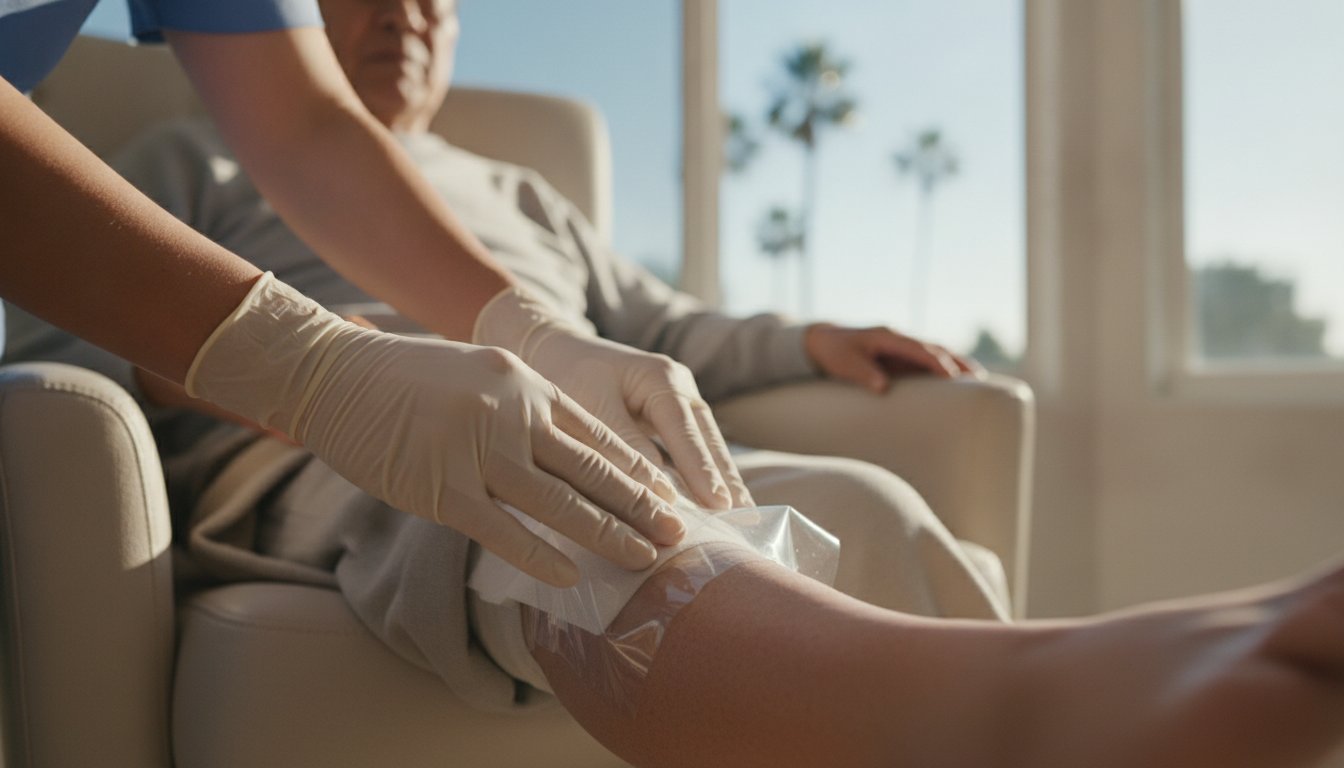
The success of Negative Pressure Wound Therapy often hinges not on the sophisticated pump technology, but on the few millimeters of skin surrounding the wound bed. Mastering the nuances of changing wound vac dressing instructions is the bridge between advanced medical data and the actual lived experience of healing at home. It's perfectly normal to feel a surge of anxiety when faced with a low pressure alarm or the delicate task of removing foam from sensitive tissue. You want to ensure the highest standards of care without causing unnecessary discomfort, yet the technical requirements of an airtight seal can feel incredibly demanding.
This clinical guide empowers you to manage the NPWT system with the precision of a seasoned professional. We provide the exact methodology needed to secure a perfect seal on uneven skin and specific techniques to significantly reduce pain during the transition. By following this roadmap, you'll gain the confidence to troubleshoot system alerts and maintain the sterile integrity required for optimal recovery. From preparation to the final seal, you are about to transform a complex clinical task into a predictable, successful routine that supports long-term vitality.
Key Takeaways
- Understand how sub-atmospheric pressure optimizes granulation tissue formation and effectively manages wound exudate for faster recovery.
- Follow our detailed changing wound vac dressing instructions to ensure a perfect, airtight seal even on complex or uneven skin surfaces.
- Implement atraumatic removal techniques using adhesive solvents to protect the periwound area and significantly reduce patient pain.
- Develop a systematic approach to troubleshooting vacuum leaks and system alarms to ensure your therapy remains uninterrupted and effective.
- Learn how mobile specialists can integrate advanced regenerative therapies into your personalized home care plan for non-healing wounds.
Understanding Negative Pressure Wound Therapy (NPWT) at Home
Negative-pressure wound therapy (NPWT) is a cornerstone of modern regenerative medicine. It functions by applying controlled sub-atmospheric pressure to a wound bed through a specialized dressing. This isn't just a simple vacuum; it's a sophisticated system designed to transform a static, non-healing environment into a dynamic site of cellular activity. By consistently removing excess exudate and infectious materials, the therapy reduces localized edema and improves perfusion, which is the delivery of oxygenated blood to the tissue. This proactive approach ensures that the biological foundations for recovery are always in place.
Transitioning from a clinical setting to home care requires a deep understanding of how these systems operate. While hospital units are often larger and stationary, portable home units offer freedom without sacrificing scientific rigor. In Glendale and Los Angeles, specialized mobile wound care teams provide the high-level oversight necessary to manage this transition safely. These experts ensure that the precise changing wound vac dressing instructions are followed to maintain the delicate balance of the wound ecosystem. Consistency in therapy is the primary driver of physical excellence and long-term vitality.
The Science of Macro-strain and Micro-strain
The efficacy of NPWT is driven by two distinct mechanical processes: macro-strain and micro-strain. Macro-strain refers to the visible contraction of the wound as the vacuum draws the edges together. This physical compression reduces wound volume and facilitates faster closure. Conversely, micro-strain occurs at the cellular level. The foam dressing creates minute amounts of tension on individual cells, which signals the body to initiate cell proliferation. This cellular-level stretching is what triggers the formation of healthy granulation tissue. Maintaining a constant, airtight seal is vital for these biological processes to continue without interruption.
When to Perform a Dressing Change
Timing is a critical variable in the success of your therapy. While your specific clinical roadmap may vary, the 48-72 hour window remains the clinical gold standard for foam dressings to prevent tissue ingrowth. If a dressing remains in place too long, new tissue can actually grow into the pores of the foam. This makes removal painful and risks damaging the fragile new cells you've worked so hard to cultivate. Adhering to professional changing wound vac dressing instructions ensures that the interface between the foam and the wound bed remains productive and safe.
There are instances where an emergency change is required before the scheduled interval. You should monitor for 'dressing strike-through,' which occurs when fluid saturates the outer edges of the drape or begins to leak from the seal. A saturated dressing can no longer manage bacteria or maintain the necessary pressure. If you notice a loss of suction that cannot be resolved through basic troubleshooting, or if the canister fills rapidly, a proactive dressing change is the best course of action to protect the wound bed.
Preparation: Essential Supplies and Sterile Setup
Precision in wound care begins long before the old dressing is removed. Gathering your toolkit with meticulous care ensures that the procedure remains streamlined, sterile, and professional. You'll need your primary components: foam (typically black or silver), the adhesive drape or film, suction tubing, and a fresh canister. To protect the integrity of the periwound skin, keep skin prep pads and adhesive remover within reach. Normal saline solution is essential for cleansing the site once the old foam is removed. This intentional organization reflects a commitment to physical excellence and systemic health.
Patient comfort is a core pillar of proactive care. Removing foam can be a primary source of anxiety, particularly if the tissue has begun to integrate with the dressing. Administering prescribed analgesics approximately 30 minutes before you begin the changing wound vac dressing instructions allows the medication to reach peak efficacy. This small window of preparation transforms a potentially stressful event into a manageable, calm procedure, ensuring the patient feels they are in expert hands. Taking this time acknowledges the human-centric warmth that defines high-end clinical care.
Choosing the Right Foam Interface
The choice of foam is a strategic decision based on the wound's current biological state. Reticulated open-cell foam (black) is the standard for stimulating robust granulation tissue due to its ability to distribute pressure evenly. Soft foam or non-adherent layers are utilized when working over sensitive structures like tendons or blood vessels to prevent trauma. Silver-impregnated foam provides an added layer of defense for wounds with a high bioburden or elevated infection risk. Selecting the correct interface is a nuance that advanced wound care specialists often refine during bedside evaluations to optimize long-term health outcomes.
Creating a Sterile Environment at Home
You don't need a hospital room to maintain clinical standards, but you do need a visionary approach to your space. Select a clean, well-lit area within the residence, ideally a surface that has been thoroughly sanitized. Organize your supplies in the order you'll use them. This logical arrangement minimizes the risk of reaching across your sterile field, which could introduce contaminants. Hand hygiene and the use of sterile gloves are non-negotiable steps in preventing cross-contamination and protecting the wound from external pathogens.
Once the change is complete, proper disposal of biohazardous waste is essential for maintaining a safe living environment. In Los Angeles County, specific guidelines govern the disposal of medical waste containing bodily fluids. Ensure all used dressings and tubing are placed in puncture-resistant, leak-proof bags. This final step in the preparation and cleanup process reinforces the stability and thoroughness of your care strategy, ensuring no detail of the individual's health is overlooked.
Step-by-Step Instructions for Changing Your Wound VAC Dressing
Executing the actual change requires a steady hand and a commitment to clinical precision. Begin by stopping the pump and clamping the tubing to prevent any fluid backflow. Protecting the periwound skin is paramount during this transition. Use a medical-grade adhesive remover to gently lift the edges of the transparent drape. This minimizes mechanical trauma to the healthy skin surrounding the wound bed, a step often overlooked in standard changing wound vac dressing instructions. Once the old dressing is removed, cleanse the wound thoroughly with normal saline, using gentle irrigation to clear away residual exudate without disrupting new granulation tissue.
After cleansing, take a moment to assess the wound's progress. Use a sterile measuring guide to document the length, width, and depth. Tracking these metrics provides the data-driven evidence needed to adjust your treatment roadmap. A healthy wound bed should appear beefy red or pink, signaling robust perfusion and cellular activity. If you notice any unusual odor or a change in tissue color, these are vital observations to share with your clinical guide during your next evaluation.
Meticulous Foam Placement
The foam interface must be tailored to the unique architecture of the wound. Cut the black or silver foam to the exact shape of the wound bed, ensuring it doesn't overlap onto intact skin, which could lead to maceration. When addressing 'undermining,' where the wound extends beneath the surface skin, you must loosely pack these recesses to ensure the vacuum reaches every corner. Don't over-compress the foam; it needs to remain porous to facilitate fluid transport. Always follow the 'counting rule' by documenting exactly how many pieces of foam go in and confirming that the same number are removed during the next change.
Achieving the Perfect Airtight Seal
An airtight seal is the foundation of effective Negative Pressure Wound Therapy. For wounds in difficult locations or on uneven skin, utilize the 'Picture Frame' technique. This involves placing thin strips of drape around the wound perimeter first to create a smooth, reinforced surface for the primary occlusive layer. Apply the transparent film using a 'no-stretch' method, laying it across the site without pulling, which prevents skin tension and blistering. Once the drape is secure, cut a small 2cm hole in the center of the film to create the interface for the suction pad.
Initiating Suction and Checking the Seal
Connect the SensaT.R.A.C. pad over the hole and join the tubing to the canister. When you initiate the therapy, you should observe the 'raisin' effect. The foam should visibly collapse and feel firm to the touch, indicating that the sub-atmospheric pressure is being distributed correctly. If you hear a high-pitched 'hissing' sound, you've identified a leak that requires immediate patching with small pieces of drape. A successful seal is visually confirmed when the foam shrinks into a firm, prune-like texture and the system maintains a silent, steady pull.

Troubleshooting: Leaks, Alarms, and Safety Protocols
Troubleshooting a Negative Pressure Wound Therapy system is an exercise in data-driven problem solving. When an alarm sounds, it's a prompt for clinical observation rather than a cause for distress. The 'Leak Alarm' is the most frequent signal, often indicating a microscopic gap in the seal or a loose connection in the tubing. Systematically trace the line from the canister to the suction pad, ensuring all locks are tight. If the alarm persists despite your best efforts to follow changing wound vac dressing instructions, you must focus on the drape interface itself. Moisture or movement near joints can easily compromise the occlusive seal.
Managing the 'Canister Full' alert is a straightforward but essential task. Suction will automatically stop once the canister reaches capacity to prevent fluid from entering the pump motor. Always keep a spare canister nearby to ensure therapy remains continuous. If the patient experiences significant pain during the pull of the vacuum, you may need to consult your specialist about adjusting the pressure settings. In some cases, placing a non-adherent layer between the wound bed and the foam can mitigate discomfort without sacrificing the benefits of the therapy.
One of the most critical safety protocols is the 2-Hour Rule. If your pump loses power or malfunctions and cannot be restarted within two hours, you must remove the foam dressing entirely. Replace it with a traditional moist-to-dry gauze dressing until the system is functional again. Leaving a non-functioning vacuum dressing in place creates a stagnant environment that can lead to rapid bacterial growth. This rule is a non-negotiable pillar of home-based care that protects the patient from systemic complications. If you are managing complex recovery, our mobile wound care specialists provide the bedside expertise needed to navigate these technical challenges confidently.
Identifying and Fixing Air Leaks
Finding a micro-leak requires a visionary approach to troubleshooting. You can often locate a leak by listening for a faint 'hissing' sound; using a stethoscope can help amplify this noise in a quiet room. Another professional trick involves applying a small amount of soapy water to suspected areas and watching for bubbles. Once identified, patch the leak with small 'flags' of drape rather than re-doing the entire dressing. Focus your search on common leak sites like the tailbone, skin folds, or areas with high moisture, where the adhesive is most likely to fail.
When to Call a Specialist Immediately
While most alarms are technical, some signals indicate a biological change that requires professional intervention. Watch for signs of acute infection, such as a sudden foul odor, fever, or an unexpected increase in bright red blood in the tubing. You should also monitor for maceration, which occurs when the periwound skin becomes white, soggy, and fragile due to trapped moisture. For those recovering from recent procedures, specialized surgical wound care protocols may be necessary to address these post-operative complications and ensure the healing trajectory remains on track.
The Healix360 Advantage: Professional Mobile Wound Management
Complex wounds demand a level of expertise that extends beyond basic mechanical maintenance. While following changing wound vac dressing instructions is essential for daily management, the long-term success of Negative Pressure Wound Therapy often relies on the strategic oversight of board-certified specialists. Healix360 bridges the gap between hospital-grade technology and the comfort of your residence by bringing advanced regenerative tools directly to the bedside. We utilize cutting-edge solutions like amniotic membrane grafts to accelerate healing in wounds that have previously stalled. This elite level of care is available throughout Glendale and Southern California, providing a proactive roadmap that significantly reduces the risk of hospital readmissions.
Navigating the complexities of healthcare coverage shouldn't be a barrier to your physical excellence. Our team works directly with Medicare Part B and various private insurance providers to ensure seamless coordination of benefits. We manage the administrative details and documentation required for NPWT supplies so you can focus entirely on the recovery journey. This integrated approach ensures that no detail of your health is overlooked, from the initial bedside evaluation to the final successful closure. By choosing a mobile specialist, you're opting for a lifestyle optimization partner that values your time and your long-term vitality.
Beyond the Vacuum: Comprehensive Healing Strategies
A vacuum system is a powerful tool, but it's often just one component of a larger systemic health strategy. We frequently integrate bio-engineered skin substitutes with NPWT to provide a biological scaffold for new tissue growth. This synergy is particularly effective in specialized areas like diabetic ulcer treatment, where addressing the underlying vascular and metabolic challenges is as important as the dressing itself. Regular bedside assessments allow our clinicians to refine your changing wound vac dressing instructions and adjust pressure settings in real-time based on the wound's evolving biological data.
Your Partner in Recovery
We view our relationship with patients and their families as a professional partnership rooted in trust. Our specialists take the time to train family caregivers, ensuring they feel confident and empowered when managing the system between our visits. This human-centric approach transforms a complex medical process into a predictable, manageable part of your daily life. The peace of mind that comes from knowing you're monitored by elite guides allows you to pursue your healing goals with quiet confidence. If you're ready to experience the future of personalized medicine, contact Healix360 for expert mobile wound care in Southern California.
Empowering Your Path to Regenerative Recovery
Mastering the technical nuances of Negative Pressure Wound Therapy is a transformative step in your healing journey. By adhering to precise changing wound vac dressing instructions, you ensure that the biological benefits of macro-strain and micro-strain continue without interruption. You've learned that success lies in the details; protecting the periwound skin, achieving an airtight seal, and troubleshooting alarms with quiet confidence. These actions aren't just clinical tasks. They represent a proactive commitment to your systemic health and physical excellence.
While self-management is empowering, complex recovery often requires the strategic guidance of visionary experts. Healix360 offers a personalized roadmap through our team of board-certified specialists and regenerative medicine experts. As a Medicare Part B Provider serving Southern California, we bring advanced bedside evaluations and innovative treatments directly to your home. You don't have to navigate the complexities of chronic wound care alone. We are here to ensure every detail of your recovery is managed with scientific rigor and human-centric warmth.
Schedule a Specialist Mobile Wound Assessment Today
Your dedication to precise care today creates the foundation for a more vibrant, healthy tomorrow. You are in expert hands.
Frequently Asked Questions
How often should a wound VAC dressing be changed?
Standard changing wound vac dressing instructions recommend a change every 48 to 72 hours for most non-infected wounds. This frequency is the clinical gold standard for preventing new granulation tissue from growing into the pores of the foam dressing. If the wound is currently managing an active infection, your specialist may increase this cadence to every 24 hours to better monitor the wound bed and manage bioburden.
What should I do if the wound VAC alarm keeps going off?
You should systematically trace the tubing from the canister to the dressing site to identify any kinks or air leaks. Most alarms are triggered by a loss of sub-atmospheric pressure caused by a small gap in the transparent drape. Use your fingers to press down firmly along the edges of the film or use small patches of extra drape to seal any identified "hissing" areas without removing the entire dressing.
Is it normal for the wound VAC to cause pain during a dressing change?
Some discomfort during foam removal is normal as the dressing interfaces with fragile, newly formed tissue. You can significantly reduce this sensation by administering prescribed analgesics 30 minutes before the procedure and using a medical-grade adhesive remover to lift the drape. If the pain remains intense, your specialist can suggest a non-adherent contact layer to place between the foam and the wound bed.
Can I shower with a wound VAC dressing on?
You cannot shower with the NPWT pump turned on or the dressing submerged, as moisture will compromise the airtight seal and damage the electronic unit. Most patients opt for sponge baths to ensure the dressing remains completely dry and functional. If your specialist permits you to disconnect the pump briefly, you must clamp the tubing and protect the site with a secondary waterproof barrier.
What happens if the wound VAC pump stays off for more than two hours?
You must remove the foam dressing and replace it with a traditional moist-to-dry gauze dressing if the pump remains inactive for more than two hours. A non-functioning vacuum dressing creates a stagnant environment that can lead to rapid bacterial growth and tissue damage. This safety protocol is a vital part of your changing wound vac dressing instructions to ensure your recovery remains on a healthy trajectory.
Does Medicare cover the cost of wound VAC supplies and home visits?
Medicare Part B typically covers the cost of Negative Pressure Wound Therapy supplies and professional mobile visits for beneficiaries with qualifying chronic or non-healing wounds. Coverage usually requires a personalized treatment plan and evidence that the wound has not improved with standard care. Our team coordinates directly with your insurance providers to manage the documentation needed for these advanced regenerative services.
What are the signs of infection I should look for during a dressing change?
Watch for a sudden foul odor, an increase in bright red blood in the tubing, or a change in the color of the wound tissue. You should also monitor for systemic signs like fever or localized indicators such as spreading redness and warmth around the wound edges. These symptoms suggest a shift in the wound's biological state that requires an immediate assessment by your wound care specialist.
Can I change the wound VAC dressing myself at home?
Most patients and family caregivers require specific clinical training from a specialist before they can safely perform a dressing change at home. The precision required to achieve an airtight seal on uneven skin and the need to maintain sterile integrity make professional oversight highly beneficial. We recommend mobile visits to ensure the therapy is being delivered effectively and to adjust settings based on real-time healing data.


