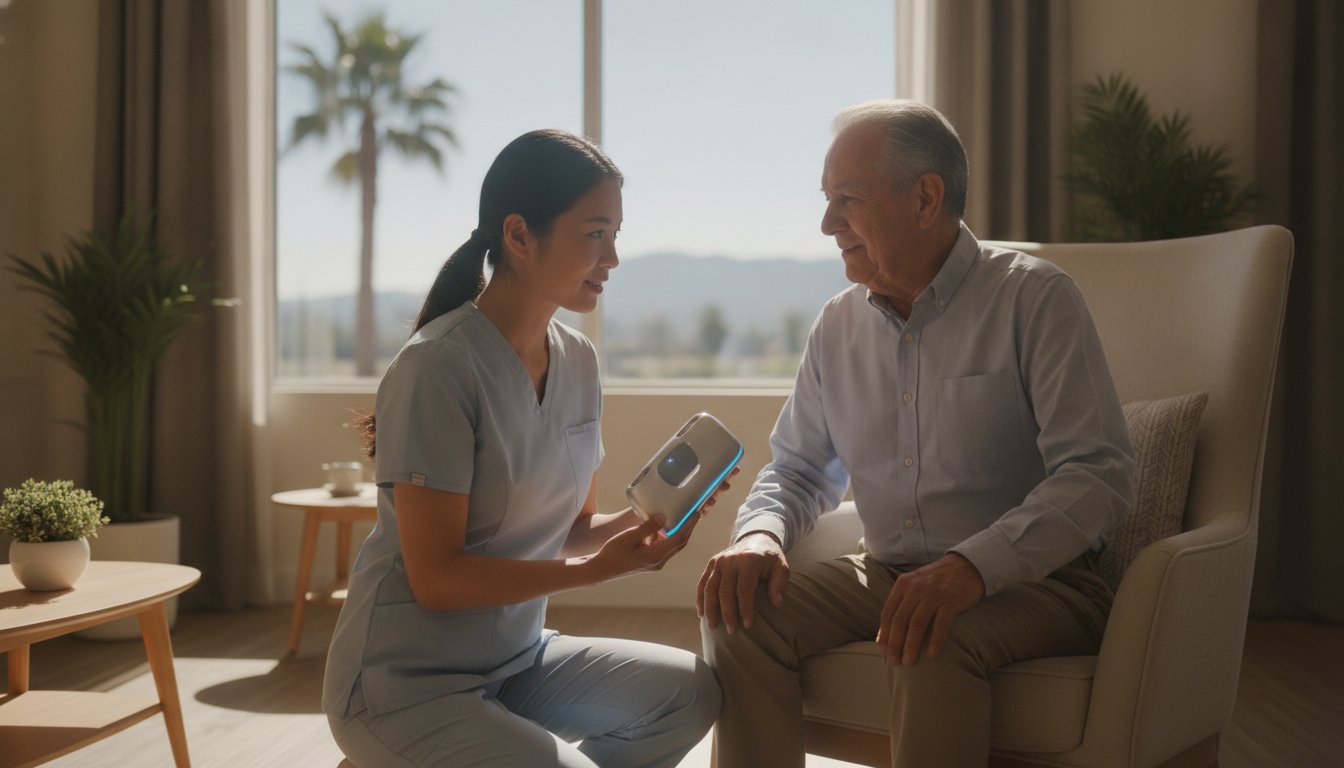
What if the most sophisticated medical breakthroughs in tissue regeneration didn't require a traumatic ambulance ride to a hospital? For many families and facility directors, the logistics of transporting an elderly resident with a chronic ulcer are often as taxing as the wound itself. You likely recognize that standard facility staffing, while excellent for daily living, isn't always equipped to handle complex Stage 3 or 4 pressure injuries. Securing specialized wound care for assisted living facilities Southern California has historically meant choosing between inadequate bedside patching or the exhaustion of external clinics.
It's time to shift from reactive management to a proactive roadmap for vitality. In this 2026 guide, you'll discover how mobile regenerative protocols bring elite clinical outcomes directly to the resident's room. We'll detail the integration of bio-engineered skin substitutes and Medicare Part B coordination that reduces hospitalizations while accelerating healing times. By bridging the gap between laboratory science and daily quality of life, we're ensuring that advanced age no longer means settling for stagnant recovery.
Key Takeaways
- Eliminate the physical and emotional trauma of medical transport by bringing board-certified wound specialists directly to the resident’s bedside.
- Discover how advanced wound care for assisted living facilities Southern California utilizes regenerative amniotic grafts to achieve hospital-grade healing outcomes.
- Learn to navigate the 2026 Medicare Part B landscape to ensure residents receive specialized clinical interventions with streamlined administrative coordination.
- Compare the efficacy of standard facility protocols against modern bio-engineered skin substitutes to drastically reduce recovery timelines and infection risks.
- Establish a proactive roadmap for resident vitality by choosing a mobile partner that bridges the gap between high-tech science and daily quality of life.
The Critical Need for Specialized Wound Care in Assisted Living Facilities
Aging is a complex biological process that fundamentally alters the skin’s ability to repair itself. In Southern California, where the senior population continues to grow, assisted living facilities face an increasing challenge: managing chronic wounds that refuse to close. While these facilities excel at providing a vibrant residential experience, they often lack the specialized clinical infrastructure required for advanced tissue management. This creates a critical gap in care. Non-healing wounds don't just threaten a resident's physical excellence; they can also impact a facility's regulatory standing and overall quality rating. By 2026, the standard for clinical excellence has shifted from reactive hospital visits to proactive, bedside intervention.
Common Wound Types in Southern California ALF Residents
The first step in a proactive roadmap to healing is precise identification. Residents with limited mobility are particularly susceptible to pressure injuries, often appearing over bony prominences. In the Southern California senior community, we also see a high prevalence of diabetic foot ulcers and venous ulcers. These aren't just surface-level issues. They represent systemic vascular or metabolic failures that require more than a standard dressing change. For those seeking a comprehensive overview of wound types, it's clear that the intersection of aging and chronic disease creates a unique environment where standard ointments often fail. Specialized wound care for assisted living facilities Southern California must address these underlying biological data points to ensure long-term vitality.
The 'Transport Trauma' Factor: Why Mobile Care Wins
For a resident living with cognitive decline, a simple trip to an external wound center can be a day-long ordeal of confusion and physical exhaustion. The logistical trauma involves more than just the high cost of gurney transport or ambulance services. It’s the disruption of a stable environment. When a resident is removed from their familiar surroundings, the resulting stress can actually stall the biological healing process. Mobile medical consultations eliminate this friction entirely. Bringing hospital-grade expertise directly to the resident ensures that their daily rhythm remains undisturbed. This approach values the resident’s time and energy as their most valuable assets.
Choosing a mobile model offers several clinical advantages:
- Environmental Stability: Residents remain in their own beds, reducing the risk of hospital-acquired infections.
- Seamless Coordination: Specialists work directly with facility staff to ensure treatment plans are followed between visits.
- Reduced Physical Strain: Eliminating the need for gurney transfers protects fragile skin and prevents further injury.
By prioritizing bedside care, facilities can offer a premium experience that aligns with the expectations of high-achieving families. It is a visionary strategy that places the individual at the center of the journey, ensuring that advanced wound care for assisted living facilities Southern California is as humane as it is scientifically rigorous.
Advanced Regenerative Medicine: Hospital-Grade Care at the Bedside
Biological stagnation is the primary enemy of the chronic wound. While traditional ointments and standard dressings attempt to manage the surface, regenerative medicine re-engages the body’s innate cellular machinery to trigger healing. This paradigm shift is essential for residents in assisted living environments where age-related vascular changes often stall recovery. By utilizing board-certified specialists, modern wound care for assisted living facilities Southern California now delivers hospital-grade interventions that were previously only available in specialized surgical centers. This proactive approach doesn't just manage a condition; it optimizes the body's natural healing timeline to prevent the catastrophic progression that leads to amputations.
Amniotic Membrane Grafts and Skin Substitutes
Amniotic allografts represent the pinnacle of current tissue engineering. These grafts are rich in growth factors and cytokines that suppress inflammation while stimulating new tissue growth. For residents facing complex tissue loss, bio-engineered skin substitutes provide a sophisticated scaffold that mimics the natural extracellular matrix. In 2026, the shift toward a flat national reimbursement rate of approximately $127.28 per square centimeter for many of these products has streamlined the path to access, making these elite treatments a more predictable part of a resident's care plan. These aren't simple bandages. They are active biological components that bridge the gap where the body's own repair mechanisms have faltered.
Specialized Procedures: Debridement and NPWT
Precision is the hallmark of elite wound management. Sharp debridement is often the first critical step, where a specialist meticulously removes necrotic or infected tissue to reveal a healthy, viable wound bed. This isn't a task for general nursing staff; it requires the steady hand of a dedicated expert. Following debridement, Negative Pressure Wound Therapy (NPWT) can be utilized to manage exudate and promote blood flow through a controlled vacuum environment. This technology, often referred to as a "wound VAC," is seamlessly managed at the bedside, ensuring the resident remains in their stable home environment. To ensure the most effective roadmap for recovery, specialists also employ wound culture and sensitivity testing to identify specific pathogens, allowing for highly targeted treatment plans. You can explore how these mobile advanced wound care services are redefining recovery for Southern California residents.
Comparing Care Models: Standard Facility Care vs. Healix360 Specialists
Traditional wound management in a residential setting often relies on a reactive philosophy. In this model, general nursing staff apply standard dressings and monitor for signs of worsening infection. While these professionals are experts in daily living assistance, they often lack the specialized training required to manage the biological complexity of a Stage 3 or 4 pressure injury. Under California's Title 22 regulations, Residential Care Facilities for the Elderly are permitted to manage early-stage ulcers, but more severe wounds demand the intervention of an "appropriately skilled professional." Relying solely on generalist care for advanced wounds isn't just a clinical risk; it's a strategic oversight that can lead to avoidable hospitalizations.
Healix360 transforms this dynamic by introducing a visionary strategist model. Instead of waiting for a wound to deteriorate, we deploy board-certified specialists to the resident's bedside to implement advanced biological interventions immediately. This shift from maintenance to active regeneration reduces the physical burden on facility staff and ensures that residents receive hospital-grade care without leaving their home environment. It's a partnership that prioritizes long-term health outcomes over temporary patching.
Outcome-Driven Wound Management
The difference in outcomes between standard dressings and regenerative grafts is measurable. Standard care often results in a cycle of stagnant healing, requiring frequent, labor-intensive dressing changes that drain facility resources. Our proactive approach utilizes amniotic membrane grafts and bio-engineered skin substitutes to restart the body's healing clock. By achieving faster closure, we significantly reduce the frequency of necessary interventions and the risk of secondary infections. Every bedside wound evaluation is meticulously documented, providing families and administrators with a clear, data-driven roadmap of the resident's progress toward physical excellence.
Facility Integration and Staff Support
We don't replace your team; we empower them. Mobile specialists act as a seamless extension of the existing wound care for assisted living facilities Southern California, providing the high-level expertise that standard staffing models aren't designed to maintain. This integration includes:
- Specialized Education: We provide facility staff with the training needed to manage daily wound maintenance between specialist visits.
- Streamlined Communication: Our specialists coordinate directly with administrators and families, ensuring everyone is aligned on the treatment strategy.
- Administrative Relief: By functioning as a Medicare Part B provider, we handle the complex documentation and reimbursement processes, removing the administrative weight from the facility.
This collaborative model ensures that the resident remains at the center of the journey. By bridging the gap between residential care and advanced clinical science, we help facilities maintain higher quality ratings while offering a premium service that appeals to high-achieving families who view health as their most valuable asset.

Administrative and Financial Coordination for Southern California ALFs
Excellence in clinical care requires equal excellence in administrative execution. For many business office managers in Southern California, the complex billing structures of advanced wound care can feel like a secondary burden. Healix360 removes this friction by operating as a direct Medicare Part B provider. This means the facility isn't responsible for the cost of high-value treatments like amniotic grafts or bio-engineered skin substitutes. Instead, we handle the specialized procedural billing and documentation required to maintain compliance in a tightening regulatory environment. By managing the financial logistics, we allow your administrative team to focus on resident experience rather than insurance paperwork.
Our role as a visionary strategist extends to the way we coordinate with your existing partners. We don't operate in a vacuum. We synchronize our visits with home health agencies and hospital referral sources to ensure a unified approach to recovery. This high-level coordination ensures that wound care for assisted living facilities Southern California is no longer a fragmented process but a streamlined, data-driven journey toward resident vitality.
Medicare Compliance and Coverage
Medicare-compliant bedside care hinges on precise medical decision-making documentation. In 2026, CMS intensified surveillance on cellular and tissue-based products, requiring specialists to justify every intervention with granular biological data. Because we specialize in high-value grafts, we ensure that every treatment meets the latest federal guidelines. This includes adhering to the national flat-rate reimbursement model for skin substitutes, which established a clear framework for cost-effective, clinically superior care. Facilities can feel confident that their residents are receiving the gold standard of interventions without the risk of administrative audits or financial surprises.
The Referral and Intake Process
A seamless transition from a hospital discharge to an assisted living environment is vital for preventing wound regression. We work closely with hospital discharge teams and case managers across Los Angeles and Orange County to ensure continuity of care. When a resident arrives at your facility, our team is ready to conduct an immediate bedside evaluation. We establish a personalized wound care treatment plan during the first visit, coordinating with any existing home health agencies to synchronize daily maintenance. This level of organization ensures that the roadmap to vitality begins the moment a resident enters your doors. You can schedule an administrative consultation to see how our Medicare-compliant model integrates with your facility's existing workflow.
Choosing the Right Mobile Wound Partner in Southern California
Selecting a clinical partner for an assisted living environment is a decision that impacts both resident longevity and facility reputation. You need a partner who understands the specific regulatory climate and the high expectations of families in Los Angeles County. The ideal provider doesn't just apply dressings; they act as a clinical extension of your team, bringing a level of mastery that generalist staffing models can't replicate. When evaluating wound care for assisted living facilities Southern California, look for providers who prioritize regenerative science and possess a deep understanding of Medicare Part B reimbursement. This ensures that residents receive elite care while the facility remains protected from administrative overreach and logistical friction.
The Healix360 difference lies in our unique blend of clinical authority and human-centric warmth. We view each resident's health as their most valuable asset, deserving of a strategy that goes beyond simple maintenance. By integrating high-tech diagnostic terminology with a philosophy of proactive prevention, we create a narrative where cutting-edge science meets the personal journey of self-actualization. This approach transforms wound management from a daily chore into a data-driven roadmap toward physical excellence.
Local Expertise and Community Trust
Proximity is a critical component of proactive care. In regions like Glendale and Beverly Hills, having a specialist who can provide timely bedside visits is essential for managing the volatile nature of chronic ulcers and pressure injuries. Local experts understand the unique demographic needs of Southern California's senior population and can navigate the logistical nuances of the area with precision. This community presence fosters deep trust between the specialist, the resident, and the family, ensuring that the care plan is respected and followed. Healix360 serves as a visionary strategist, meticulously engineering individualized roadmaps to tissue regeneration and long-term vitality. This dedication to local presence ensures that hospital-grade healing is never more than a short drive away from your facility's front door.
Getting Started with Healix360
Initiating professional intervention is a straightforward process designed to minimize stress for both families and administrators. You can request a bedside wound evaluation through a simple intake process that prioritizes rapid response. During the initial mobile visit, our specialists perform a comprehensive assessment of the wound bed, vascular status, and systemic health factors. We then establish a personalized wound care treatment plan that may integrate advanced technology like amniotic membrane grafts or bio-engineered skin substitutes. This first visit sets the stage for a collaborative journey, where every detail of the resident's recovery is overseen with scientific rigor. It's time to elevate the standard of care in your facility and prioritize the long-term health outcomes your residents deserve. Experience the future of wound healing with Healix360.
The Future of Resident Vitality is at the Bedside
The path to long-term health outcomes is no longer defined by the trauma of medical transport. By integrating hospital-grade regenerative medicine directly into the residential setting, we've removed the traditional barriers to accelerated healing. You now have access to a visionary strategy that prioritizes a resident's daily stability while utilizing the most advanced amniotic grafts available. As a dedicated Medicare Part B provider, we bridge the gap between complex clinical science and the administrative needs of the modern facility. Serving all of Southern California, our model ensures that expert intervention is a seamless, localized extension of your existing care team.
Choosing specialized wound care for assisted living facilities Southern California is about more than just treating a symptom; it's about honoring the individual's journey toward physical excellence. Our board-certified specialists provide the clinical authority and data-driven roadmaps necessary to ensure no detail of a resident's recovery is overlooked. We invite you to contemplate the long-term vitality of those in your care and embrace a proactive roadmap that values health as your residents' most valuable asset. Mastery meets the bedside, ensuring that advanced age never means settling for stagnant recovery.
Secure Advanced Bedside Wound Care for Your Residents Today
Frequently Asked Questions
Does Medicare cover mobile wound care for assisted living residents in California?
Yes, Medicare Part B covers mobile wound care services for residents in assisted living facilities. As a Medicare Part B provider, we bill the program directly for clinical assessments and advanced procedures. This ensures that residents have access to elite regenerative technology without the facility incurring the costs of specialized medical staffing or supplies.
What types of chronic wounds can be treated at the bedside?
Our specialists manage a wide spectrum of complex, non-healing injuries. This includes Stage 3 and 4 pressure injuries, diabetic foot ulcers, and venous or arterial ulcers. We also provide bedside care for surgical wounds that have failed to close and traumatic injuries that require the steady hand of a board-certified professional to restart the healing process.
How often will a wound specialist visit the resident at the facility?
Most residents receive specialist visits once per week, though we tailor the frequency to the specific biological needs of the wound. These consistent bedside evaluations allow us to monitor tissue progression and adjust the clinical roadmap in real time. Our goal is to ensure a steady, rhythmic progression toward total closure and long-term vitality.
Can regenerative skin substitutes be applied in an assisted living setting?
Yes, bio-engineered skin substitutes and amniotic membrane grafts are specifically designed for safe and effective bedside application. We bring the sterile environment and technical mastery of a hospital wound center directly to the resident's room. This eliminates the physical strain of transport while providing the highest standard of regenerative science available in 2026.
How does Healix360 coordinate with the facility's existing nursing staff?
We act as a collaborative partner and a visionary strategist for your care team. After every visit, we provide detailed clinical documentation and specific instructions for daily wound maintenance between our specialist visits. We also offer education to facility staff to ensure that every member of the care team is aligned with the resident's personalized healing strategy.
Is a doctor's referral needed for mobile wound care services?
A physician's order is necessary to initiate specialized treatment under Medicare guidelines. We coordinate directly with the resident's primary physician or hospital discharge team to streamline this referral process. This integration ensures that wound care for assisted living facilities Southern California remains a cohesive part of the resident's overall healthcare journey.
What is the difference between a wound care nurse and a board-certified specialist?
A board-certified specialist brings a higher level of clinical authority and the license to perform complex interventions like sharp debridement. While wound care nurses are vital for daily dressing changes, our specialists possess the mastery required to analyze granular biological data and apply regenerative grafts. This advanced expertise is essential for managing wounds that have reached a plateau under standard care.
How does mobile wound care help prevent hospital readmissions?
Mobile care prevents readmissions by identifying and treating complications like infection or necrosis before they require emergency intervention. By stabilizing the wound environment through proactive bedside monitoring, we reduce the risk of systemic issues like sepsis. Keeping the resident in a stable, familiar environment supports the body's natural healing process and avoids the hazards of hospital-acquired infections.


