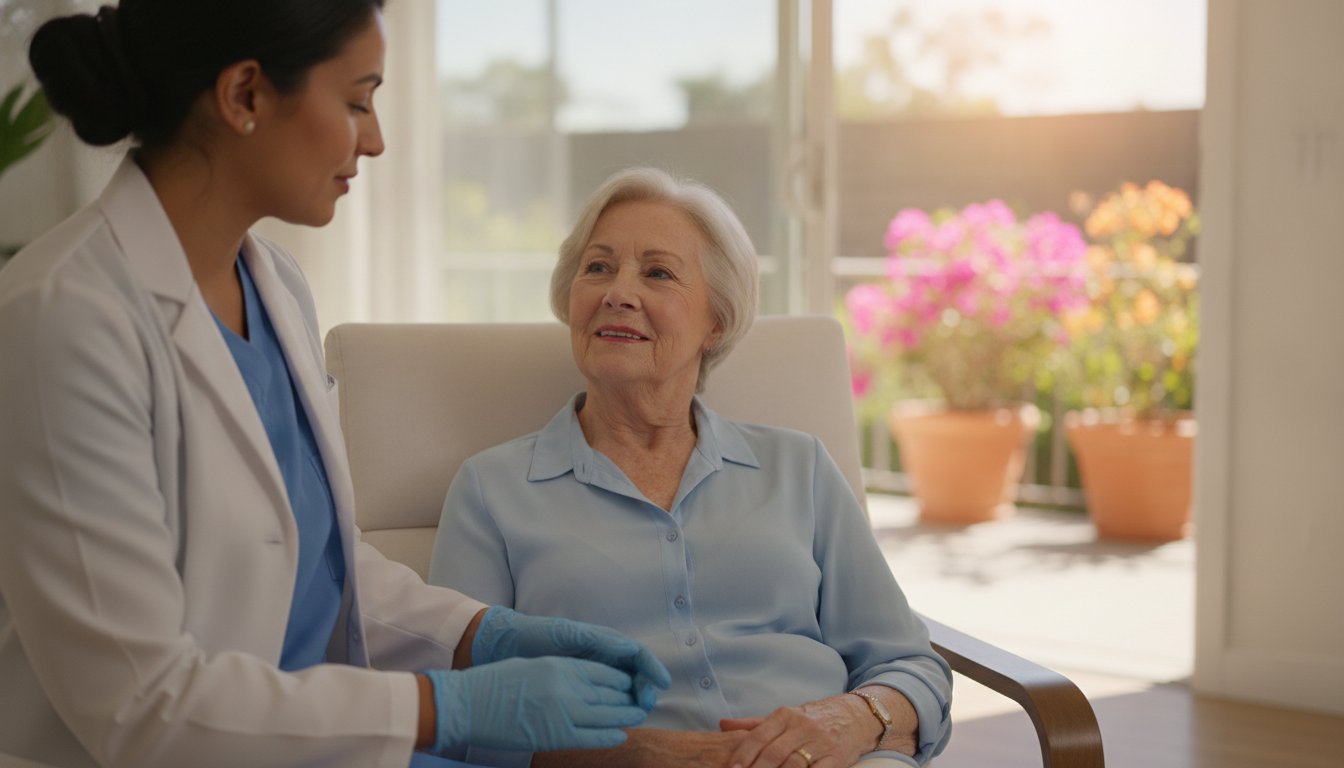
A chronic wound isn't just a physical burden; it's a biological stalemate where your body's natural healing process has effectively stalled. When necrotic or infected tissue accumulates, it creates a structural barrier that even the most advanced topical treatments cannot penetrate. You likely feel the mounting frustration of slow progress and the logistical strain of transporting a patient to a specialized clinic, all while the quiet anxiety of potential complications lingers in the background. It's a difficult cycle, but it's one that can be broken with a precise clinical intervention.
This article shows you how professional sharp debridement at home provides a necessary medical reset, clearing the path for new, healthy tissue to thrive. By bringing board-certified expertise directly to your bedside, we eliminate the traditional barriers to high-level care and focus on accelerating your recovery. You'll discover the safety protocols of mobile debridement, the science behind restarting the cellular healing journey, and how residents across Southern California are achieving wound closure through a blend of elite clinical precision and the restorative comfort of home.
Key Takeaways
- Understand why removing necrotic tissue is the essential clinical "reset" required to transition a stalled wound into an active healing state.
- Learn why sharp debridement offers immediate results and superior precision compared to slower, passive methods like autolytic debridement.
- Discover how sharp debridement at home maintains hospital-grade sterile standards while eliminating the logistical stress of clinic visits.
- Get a clear overview of the bedside process, including comprehensive vascular assessments and personalized pain management strategies.
- Explore how preparing a clean wound bed paves the way for advanced regenerative treatments like amniotic membrane grafts to accelerate permanent closure.
What is Sharp Debridement and Why is it Essential for Healing?
A non-healing wound is often a system in biological gridlock. To break this cycle, clinicians utilize Debridement, which is the precise medical act of removing devitalized, infected, or non-viable tissue to reveal the healthy, vascularized foundation beneath. Without this intervention, the body remains trapped in a perpetual state of inflammation, unable to bridge the gap between injury and closure. It's a necessary step for anyone dealing with wounds that have plateaued despite standard care.
Sharp debridement is the most efficient expression of this process. It involves the use of sterile surgical instruments, such as scalpels or scissors, to physically excise the material that hinders recovery. When you choose sharp debridement at home, you're opting for a clinical reset that removes physical and biological barriers immediately. This rapid removal of debris signals your body to restart the natural healing sequence, effectively clearing the path for new cellular migration and tissue growth.
Recognizing Necrotic Tissue in Chronic Wounds
Necrotic tissue is devitalized material that fosters bacterial growth and stalls recovery. In diabetic ulcers or pressure injuries, this tissue often manifests as yellow, stringy slough or hard, black, leathery patches known as eschar. These substances aren't just cosmetic issues; they're often accompanied by biofilm, a complex colony of bacteria that shields itself from systemic antibiotics. Physical removal via sharp debridement at home is frequently the only way to disrupt these microscopic fortresses and allow topical treatments to reach the wound bed where they can be effective.
The Clinical Necessity of Debridement
The stakes of leaving necrotic tissue untreated are high. Debridement is a vital defensive measure that reduces the risk of serious complications like cellulitis or sepsis by removing the fuel that bacteria need to thrive. Beyond infection control, clearing the wound bed improves visibility for your specialist. It allows for an accurate assessment and staging of the injury, which is critical for developing an effective long-term strategy. Integrating professional necrotic tissue management into your care plan ensures that every subsequent treatment, from advanced dressings to regenerative grafts, has the best possible chance of success. This proactive approach turns a stagnant health challenge into a manageable path toward recovery.
Sharp vs. Autolytic Debridement: Choosing the Right Path
Selecting the appropriate debridement method is a strategic decision that directly dictates the velocity of your recovery. Autolytic debridement is often viewed as a "natural" approach, utilizing the body's own enzymes under moisture-retentive dressings to slowly liquefy necrotic tissue. While this is non-invasive, it's also passive and time-consuming, often taking weeks or even months to achieve a clean wound bed. In contrast, sharp debridement at home is an active, immediate intervention that removes physical barriers in a single session. Sharp debridement delivers an immediate clearance of non-viable tissue, whereas autolytic methods rely on a passive moisture environment that often requires significantly more time to achieve similar results.
Precision is the hallmark of professional Wound Debridement. A board-certified specialist uses sterile surgical instruments to target only the devitalized material, carefully sparing the healthy, granulating skin that's essential for wound closure. This selectivity minimizes trauma to the surrounding area. There's also a common misconception that sharp methods are inherently more painful. In a professional setting, specialists use localized numbing agents and precise techniques to ensure the process is manageable and efficient. From a logistical standpoint, accelerating the healing process through sharp intervention is frequently more cost-effective, as it reduces the long-term need for expensive daily dressings and extended nursing care.
When Autolytic Dressings Aren't Enough
For individuals with compromised circulation or diabetes, the body's natural enzymatic processes are often too weak to manage necrotic tissue effectively. When "gentle" methods fail to show progress, the risk of infection spreading to deeper tissues or the bone increases substantially. If a wound remains stagnant for more than two weeks under autolytic care, it's a clear clinical indicator that a more proactive strategy is required. You can speak with a clinical coordinator to evaluate if your current dressing regimen is providing the results you need.
The Gold Standard for Chronic Wounds
Clinical experts recognize sharp intervention as the gold standard for diabetic ulcer treatment because it provides the most predictable foundation for advanced healing. The synergy between mechanical cleaning and surgical precision ensures that the wound is perfectly prepared for the next stage of regenerative medicine. By removing the biological "noise" of dead tissue, sharp debridement at home allows your body's resources to focus entirely on rebuilding healthy skin and achieving permanent closure.
Is Sharp Debridement at Home Safe and Effective?
Safety in home-based clinical care is defined by the expertise of the practitioner rather than the walls of the facility. Professional sharp debridement at home brings hospital-grade sterile techniques directly to your bedside, ensuring that complex wound management occurs in a controlled and comfortable environment. By establishing a localized sterile field and utilizing single-use, surgical-grade instruments, specialists maintain rigorous infection control standards that rival those of any outpatient surgery center. This approach is particularly effective for those who need to Manage a Serious Wound or Burn without the added stress of traditional clinical settings.
Effectiveness is deeply tied to the specialist's ability to manage the procedure's intricacies, such as minor bleeding or localized pain, within a residential setting. Healix360 specialists arrive equipped with advanced medical kits designed for mobile intervention, allowing them to provide immediate care and adjust treatment plans in real time. Because we are a Medicare Part B provider, we handle the coordination of these services, making elite wound care accessible and financially predictable for qualified patients across Southern California. This seamless integration of high-level medicine into the home environment ensures that no detail of your recovery is overlooked.
Mobile Wound Care vs. Traditional Clinics
For many residents in Glendale, Los Angeles, and the surrounding regions, the "transportation burden" is a significant barrier to consistent care. Transporting a patient with a non-healing ulcer often requires specialized medical transport, which is both costly and physically taxing for the individual. By utilizing mobile wound care services, patients also significantly lower their exposure to hospital-acquired infections (HAIs), which are a constant risk in high-traffic clinical environments. Receiving care at home preserves the patient's energy for the actual biological work of healing.
The Role of Board-Certified Specialists
Safe sharp debridement is a specialized clinical skill that requires the advanced training of a Nurse Practitioner (NP), Physician Assistant (PA), or Physician (MD). These specialists don't just remove tissue; they perform a comprehensive vascular assessment to ensure there is adequate blood flow to support healing after the procedure. Attempting a DIY debridement or "bathroom surgery" is extremely dangerous and can lead to uncontrolled hemorrhaging, deep-tissue infection, or permanent nerve damage. A board-certified specialist ensures that sharp debridement at home remains a precise, data-driven, and life-changing medical intervention.

What to Expect During Your In-Home Debridement Visit
Your recovery journey is a structured process that begins the moment a board-certified specialist arrives at your door. This visit is designed to be efficient, clinical, and deeply respectful of your personal space. The experience typically lasts 30 to 60 minutes, focusing on a clinical "reset" that transforms a stagnant wound into an active healing environment. To begin this personalized process, you can schedule your bedside evaluation with our Southern California team today.
The first phase involves a comprehensive bedside assessment. Your specialist won't just examine the wound surface; they will evaluate your vascular status and peripheral pulses to ensure your body has the circulatory resources to heal after the procedure. Comfort is non-negotiable, so the second step often involves applying a topical numbing agent or localized pain management to ensure the experience is as seamless as possible. Once the area is prepared, the specialist performs the sharp debridement at home, using sterile instruments to precisely excise non-viable tissue. The visit concludes with the application of a specialized dressing and a detailed review of your personalized care plan instructions.
Preparing Your Home for a Specialist Visit
A few simple preparations can significantly enhance the efficiency of your visit. We recommend choosing a well-lit area of the home where the patient can be positioned comfortably for the duration of the procedure. Please have a current medication list and recent blood sugar readings ready for review, as these data points are critical for managing diabetic ulcers. Caregivers can support the patient by providing a calm environment and assisting with positioning, allowing the specialist to focus entirely on the clinical precision of the debridement.
Post-Debridement Care and Monitoring
After the procedure, you should look for signs of a healthy healing response. Increased redness, known as granulation tissue, is a positive indicator that blood flow is returning to the wound bed. You should also notice a significant reduction in wound odor as the bacterial load decreases. While rare, complications can occur, and you should contact your Healix360 specialist if you notice excessive bleeding or a sudden spike in pain. Success depends on your commitment to the recovery roadmap, specifically following the surgical wound care protocol provided during your visit. This discipline ensures that the "clean slate" created by sharp debridement at home leads directly to successful wound closure.
Beyond Debridement: Regenerative Healing with Healix360
Successful wound closure requires more than just the removal of dead tissue; it requires a fertile environment for regeneration. Think of debridement as the essential preparation of the soil. When we perform sharp debridement at home, we're not just cleaning a wound, we're optimizing the biological landscape. This clinical "reset" is the prerequisite for the most advanced regenerative therapies available in modern medicine. By clearing away the debris and disrupting the biofilm, we allow the body's natural growth factors to finally reach the surface and begin the work of reconstruction.
The Healix360 difference lies in our holistic approach that views wound care as a complex biological puzzle. We combine surgical precision with cutting-edge technology and nutritional guidance to ensure your body has every resource it needs to heal. By removing the physical barriers to recovery, we transform a stagnant health challenge into a clear, actionable roadmap toward physical excellence. This synergy between bedside expertise and systemic health optimization ensures that no detail of your recovery is overlooked.
Skin Substitutes and Amniotic Allografts
Once the wound bed is prepared, we introduce advanced skin substitute treatments to bridge the gap between injury and health. These bio-engineered grafts, including amniotic membrane allografts, provide a structural scaffold that mimics the natural extracellular matrix of human skin. They're rich in cytokines and essential proteins that stimulate your own cells to migrate and multiply. For patients with chronic diabetic ulcers, these stem cell-based therapies offer a level of precision that traditional bandages simply can't match. It's a forward-thinking approach that turns the tide against non-healing wounds.
Coordinated Care with Home Health Agencies
Healing doesn't happen in a vacuum. Healix360 operates as a visionary strategist within your existing healthcare ecosystem. We work in direct partnership with home health agencies and case managers to ensure your recovery is seamless from the moment of hospital discharge. This coordinated effort means that the insights gained during your sharp debridement at home are shared with your entire nursing team, creating a unified narrative for your care. We don't just treat the wound; we manage the systemic variables that influence your long-term vitality.
Your health is your most valuable asset, and it deserves a level of care that matches your standards for excellence. We've replaced the sterile coldness of the clinic with a premium, mobile service that prioritizes your comfort and your results. Taking the next step toward permanent wound closure is a simple, proactive decision. Schedule your mobile wound assessment with Healix360 today and discover how our blend of scientific rigor and human-centric care can redefine your path to recovery in Southern California.
Reclaiming Your Vitality Through Precise Clinical Care
Breaking the cycle of a non-healing wound requires a strategic shift from passive management to active intervention. By choosing sharp debridement at home, you're prioritizing a hospital-grade medical reset that eliminates biological barriers and prepares the wound bed for long-term closure. This precise clearance of necrotic tissue is more than a simple cleaning procedure; it's the critical foundation that allows advanced regenerative grafts to successfully integrate with your body's own cells. Our board-certified mobile specialists bring this elite level of expertise directly to your bedside across Southern California, ensuring your recovery remains the central focus.
As a dedicated Medicare Part B provider, Healix360 offers a sophisticated roadmap to healing that combines scientific rigor with the restorative comfort of your own home. You don't have to navigate the logistical strain or the physical burden of chronic wound recovery alone. Request a Bedside Wound Evaluation in Southern California to partner with a team that values your health as a primary asset. Your path to permanent wound closure is attainable, and we're ready to provide the clinical mastery needed to help you reach it.
Frequently Asked Questions
Is sharp debridement at home painful for the patient?
Sharp debridement is generally well-tolerated because specialists utilize topical numbing agents to manage localized sensation before the procedure begins. Since the process focuses exclusively on removing non-viable tissue which lacks active nerve endings, the impact on healthy, sensitive skin is minimized. This clinical precision ensures the experience is efficient and manageable within your home environment, allowing you to focus on the subsequent stages of recovery without unnecessary discomfort.
Does Medicare Part B cover mobile sharp debridement services?
Yes, Medicare Part B typically covers sharp debridement at home when it is deemed medically necessary and performed by a qualified specialist. Healix360 is a board-certified provider group that coordinates directly with Medicare to minimize or eliminate out-of-pocket costs for eligible residents. This ensures that high-level regenerative care remains accessible to Southern California patients without the logistical burden or expense of traditional wound clinic visits.
How often does a wound need to be debrided?
The frequency of debridement depends entirely on the rate at which necrotic tissue or slough re-accumulates on the wound bed. Many chronic wounds require weekly or bi-weekly sessions during the initial phase of treatment to maintain a clean environment for new cellular growth. Your specialist will monitor the wound's response at every bedside visit, adjusting the schedule based on your specific vascular status and the overall healing velocity.
Can a nurse perform sharp debridement at home, or do I need a specialist?
Professional sharp debridement requires the advanced clinical training of a Nurse Practitioner, Physician Assistant, or Physician to ensure safety and precision. While some Registered Nurses may perform conservative debridement under specific California regulations, the advanced mobile services provided by Healix360 are led by board-certified specialists. This level of expertise is essential for accurately assessing peripheral blood flow and safely navigating the complexities of chronic diabetic or pressure ulcers.
What are the risks of not debriding a necrotic wound?
Leaving necrotic tissue in a wound creates a high-risk environment for systemic infection, cellulitis, and sepsis. Dead tissue acts as both a physical barrier to healing and a primary food source for bacteria, often leading to the development of resilient biofilms. Without timely intervention, a stagnant wound can quickly progress to deeper tissue damage, significantly increasing the likelihood of emergency hospitalization or the need for surgical amputation.
How do I know if my wound needs sharp debridement or just better dressings?
You likely need sharp debridement if your wound has stalled for more than two weeks or shows visible signs of yellow slough and black eschar. Other indicators include a persistent foul odor or a lack of healthy, red granulation tissue despite using advanced dressings. A professional bedside evaluation is the most reliable way to determine if your current regimen is sufficient or if a clinical reset is required to restart the healing process.
What is the difference between sharp debridement and surgical debridement?
Sharp debridement is a selective, bedside procedure that removes only non-viable tissue using sterile instruments, whereas surgical debridement is a more aggressive, non-selective process often performed in an operating room. Sharp debridement is the preferred method for home-based care because it spares healthy tissue and avoids the risks associated with general anesthesia. It provides the same clinical "clean slate" as surgery but with significantly less physical stress on the individual.
How long does it take for a wound to heal after sharp debridement?
Healing time varies based on individual factors like blood sugar control and vascular health, but sharp debridement at home often accelerates the process by several weeks. By removing the biological barriers to recovery, the procedure allows advanced therapies like amniotic grafts to begin working on a cellular level immediately. While the wound won't close overnight, most patients see a visible improvement in tissue quality and a reduction in wound size within the first few sessions.


