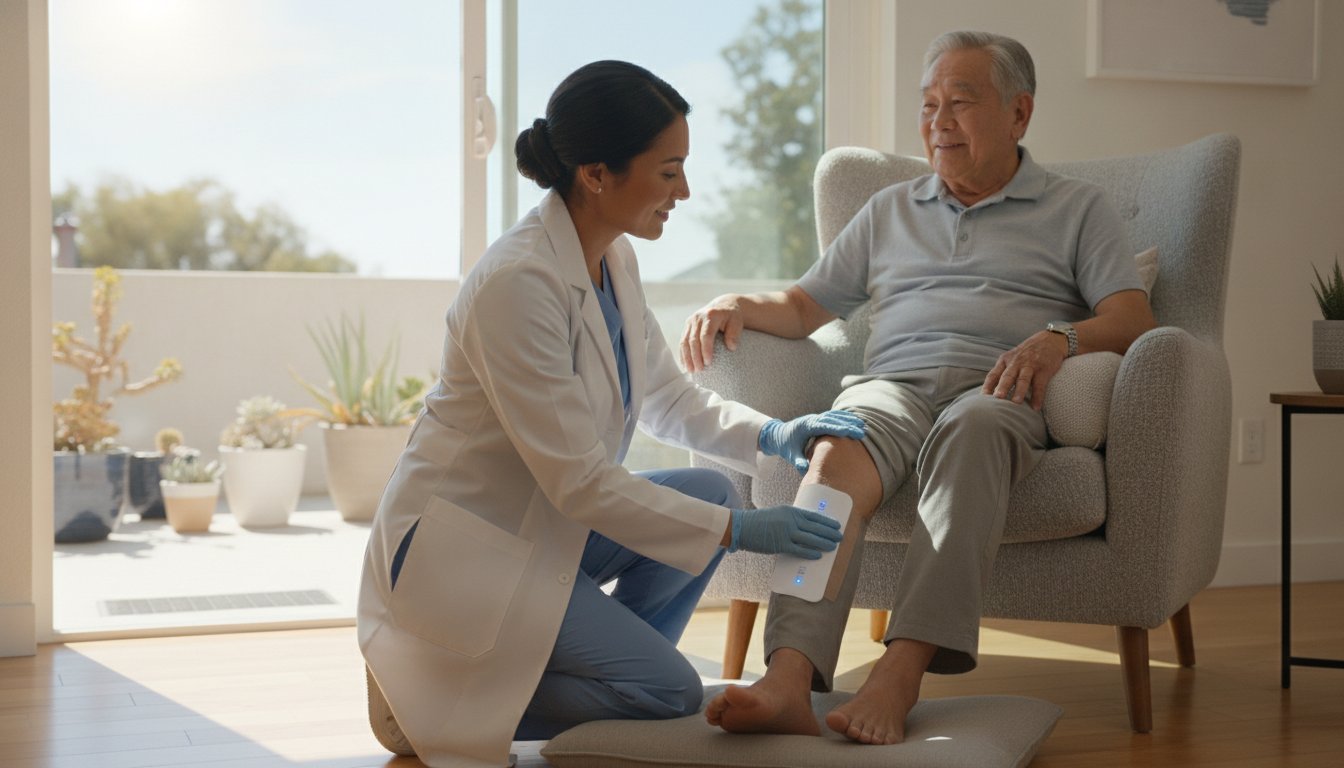
What if the most powerful healing environment isn't a pressurized chamber at a distant hospital, but the comfort of your own living room? For many facing chronic, non-healing wounds, the prospect of daily, two-hour sessions in a hyperbaric chamber feels like a full-time job you never applied for. You're likely tired of the exhausting travel and the claustrophobia that often accompanies traditional care. It's understandable to feel that if this "gold standard" doesn't work, you're out of options. Finding effective alternatives to hyperbaric oxygen therapy for wounds is no longer just a matter of convenience; it's a clinical shift toward smarter, localized regeneration.
You can achieve profound tissue recovery and mitigate the risk of amputation without the logistical burden of a treatment center. By leveraging a visionary approach to mobile care, you can access a biological jumpstart that meets you exactly where you are. We'll explore how clinically-proven interventions like amniotic membrane grafts and negative pressure therapy provide a roadmap to physical excellence. Discover how these advanced, bedside strategies deliver the precision and life-changing outcomes you've been searching for, all while preserving your daily quality of life and long-term vitality.
Key Takeaways
- Explore clinically-proven alternatives to hyperbaric oxygen therapy for wounds that prioritize localized healing and patient comfort over exhausting daily facility visits.
- Learn how amniotic membrane grafts utilize a sophisticated matrix of growth factors to trigger the body's innate regenerative response directly at the bedside.
- Understand the vital role of mechanical interventions like Negative Pressure Wound Therapy and sharp debridement in removing biological barriers to recovery.
- Discover how mobile specialized care eliminates the logistical burdens of transportation and claustrophobia while maintaining elite, hospital-grade clinical standards.
- Gain clarity on how to evaluate whether systemic oxygen delivery or localized biological stimulation is the most effective path for your specific recovery journey.
Understanding the Limitations of Hyperbaric Oxygen Therapy (HBOT)
Hyperbaric Oxygen Therapy (HBOT) is a sophisticated clinical intervention that involves breathing 100% oxygen within a pressurized environment. This process aims to saturate the blood plasma with high levels of oxygen, pushing it into tissues where circulation is compromised. While the science behind systemic oxygenation is sound, the reality of the "dive" schedule is often overwhelming. A standard course of treatment typically requires 30 to 40 consecutive daily sessions, each lasting approximately two hours. This intense commitment often becomes a barrier rather than a bridge to health, prompting many to seek alternatives to hyperbaric oxygen therapy for wounds that offer similar regenerative results with greater flexibility.
The Logistical Burden of Center-Based Care
Center-based care presents a significant challenge for residents in sprawling areas like Los Angeles and Glendale. Daily transportation for seniors or those with limited mobility isn't just a minor inconvenience; it's a structural hurdle that can derail the wound healing process. When you factor in the time spent in transit, the requirement for a dedicated caregiver, and the physical toll of the sessions themselves, "treatment fatigue" often sets in. This exhaustion can lead to missed appointments, which directly impacts the efficacy of the therapy. Beyond the obvious travel stress, hidden costs such as facility fees and the value of a caregiver's time add a layer of pressure that many families aren't prepared to sustain for six to eight weeks.
Medical Contraindications for Hyperbaric Chambers
Not every patient is a candidate for the pressurized environment of a hyperbaric chamber. Medical disqualifications are common, particularly for those managing certain types of chronic obstructive pulmonary disease (COPD) or those who've recently undergone ear surgery. The pressure changes within the chamber can cause middle ear barotrauma or, in rare cases, trigger oxygen toxicity, which affects the central nervous system. These risks necessitate a careful screening process that often leaves high-risk patients feeling as though they've reached a dead end.
A visionary approach to care recognizes that systemic oxygen isn't always the answer. Many non-healing wounds benefit more from a localized biological intervention. By shifting the focus from the whole body to the specific microenvironment of the wound, specialists can implement alternatives to hyperbaric oxygen therapy for wounds that provide the necessary growth factors without the systemic risks associated with chamber-based treatments. This strategy ensures that even patients with complex medical histories can access high-level regenerative care at their bedside.
Regenerative Medicine: Amniotic Grafts as a High-Efficacy Alternative
Regenerative medicine marks a pivotal shift in how we approach chronic wound management. Instead of relying on systemic saturation, these therapies use biological tissues to activate your body's inherent healing potential. Amniotic membrane grafts represent a cornerstone of this approach, serving as sophisticated alternatives to hyperbaric oxygen therapy for wounds. While hyperbaric chambers focus on delivering oxygen to fuel cellular activity, amniotic grafts provide the actual biological blueprints required for tissue reconstruction. These grafts are naturally rich in growth factors, cytokines, and extracellular matrix proteins that orchestrate the complex stages of repair. This data-driven strategy focuses on the granular details of tissue health rather than just the systemic environment.
How Amniotic Grafts Stimulate Healing
The efficacy of these grafts lies in their multi-faceted biological activity. They possess potent anti-inflammatory properties that help reduce the persistent pain often associated with chronic wounds. More importantly, they promote angiogenesis, which is the formation of new blood vessels, directly at the site of the injury. This localized vascularization ensures a steady supply of nutrients where they are needed most. Research published in Amniotic Membrane Derivatives for Chronic Wounds highlights significant closure rates for challenging conditions like diabetic foot ulcers and venous stasis ulcers. When compared to the standard of care, these biological interventions often achieve faster results by bypassing the limitations of compromised systemic circulation. It's a proactive way to manage recovery that respects your time and mobility.
Bio-engineered Skin Substitutes
For deep ulcers that fail to respond to traditional dressings, bio-engineered skin substitutes offer a visionary solution. These treatments utilize cellular and acellular matrices to provide a scaffold for new skin cells to migrate and thrive. Acellular matrices provide the structural framework, while cellular versions introduce living cells to accelerate the healing process. By reconstructing the dermal layer with precision, these substitutes help restore structural integrity to the wound bed. Amniotic allografts function as a localized alternative to systemic oxygenation by delivering concentrated regenerative signals directly to the affected area. This targeted method allows for hospital-grade outcomes without the need for facility-based equipment. If you're managing a complex wound, exploring advanced mobile wound care services can provide the specialized expertise needed to implement these regenerative strategies at home.
Mechanical Alternatives: Negative Pressure and Advanced Debridement
Healing often requires a physical reset. Mechanical interventions provide this by directly altering the wound environment to favor regeneration. These procedures represent some of the most effective alternatives to hyperbaric oxygen therapy for wounds because they solve localized problems that systemic oxygen cannot address, such as fluid accumulation and necrotic debris. By performing these advanced treatments at the bedside, specialists bring the precision of a surgical suite into the comfort of your residential setting. This approach ensures that your recovery remains a seamless part of your daily life rather than a logistical burden.
Negative Pressure Wound Therapy (NPWT) at Home
Negative Pressure Wound Therapy, often referred to as a Wound VAC, creates a controlled healing vacuum over the injury site. This sophisticated system excels at removing excess interstitial fluid, or edema, which can compress local blood vessels and starve the wound of nutrients. It also continuously clears away infectious materials that might otherwise lead to a stalled recovery. For patients in Southern California, modern NPWT devices are remarkably portable. This mobility allows for continuous, high-level therapy without the need for a hospital stay. Specialists frequently collaborate with home health agencies to ensure 24/7 pump management, providing a layer of clinical security that mimics the oversight found in elite medical centers.
The Critical Role of Sharp Debridement
Clinical excellence begins with a clean slate. Sharp debridement involves the meticulous removal of "slough" and "eschar," which are types of necrotic tissue that act as a physical blockade against healing. This process is a fundamental component of any plan utilizing alternatives to hyperbaric oxygen therapy for wounds. By removing these stagnant layers, a specialist effectively converts a chronic, non-responsive wound into an acute, healing one. This "biological reset" triggers a fresh inflammatory response, signaling your body to restart its natural repair mechanisms. Performing this debridement at your bedside ensures you receive surgical-grade intervention without the exhaustion of a facility visit. It's an essential step that prepares the wound bed to receive the regenerative blueprints provided by amniotic grafts.
Combining these mechanical tools with biological treatments creates a synergistic effect that often surpasses the outcomes of HBOT alone. While a hyperbaric chamber attempts to saturate the entire body with oxygen, debridement and NPWT ensure that the local tissue is physically capable of receiving and utilizing those resources. This targeted, data-driven strategy places your long-term health outcomes at the center of the journey. It's a visionary way to manage complex wounds that prioritizes both clinical precision and your personal quality of life.

Choosing the Right Path: HBOT vs. Mobile Specialized Care
Deciding on a treatment path requires a strategic evaluation of both clinical needs and personal lifestyle. While previous sections detailed the science of grafts and mechanical resets, the final choice often hinges on the reality of daily life. You must ask whether the patient can realistically tolerate daily transport to specialized centers in Glendale or Los Angeles. For many, the physical strain of travel outweighs the potential benefits of systemic oxygenation. Exploring alternatives to hyperbaric oxygen therapy for wounds allows you to maintain a sense of normalcy while receiving elite care at the bedside. This decision is about more than just healing a wound; it's about preserving the individual's dignity and energy throughout the recovery process.
A Comparison Framework for Caregivers
HBOT demands a massive commitment: 20 to 40 sessions in a facility-based setting. This systemic approach creates high logistical friction for everyone involved, often leading to "treatment fatigue" that can stall progress. In contrast, mobile regenerative care relies on weekly bedside visits. This home-based, localized strategy significantly reduces travel-related exhaustion. The mental health impact of remaining in a familiar environment cannot be overstated. Patients often experience less anxiety and better compliance when they aren't confined to a pressurized chamber. When "time-to-closure" is the priority, regenerative grafts frequently show measurable results in fewer applications compared to the dozens of "dives" required for hyperbaric therapy.
The clinical focus also differs between these two paths. You should consider whether the wound's primary obstacle is a systemic lack of oxygen or a localized deficiency in growth factors. If the patient has adequate circulation but the wound remains stagnant, biological alternatives to hyperbaric oxygen therapy for wounds often provide the specific "blueprints" needed to restart the healing process. This precision-based approach ensures that resources are directed exactly where they are needed most, rather than saturating the entire body in hopes of a localized effect.
Medicare and Insurance Navigation
Clinical excellence should be accessible and transparent. Medicare Part B typically covers mobile medical consultations and advanced procedures when performed by board-certified specialists in a residential setting. Understanding how these services fit into your coverage plan is essential for long-term health management. Healix360 works directly with insurance providers to coordinate care and streamline the billing process, which helps minimize out-of-pocket costs for families. For a deeper dive into the financial specifics of these treatments, read our guide on Does Medicare Cover At-Home Wound Treatment?.
Choosing the right partner in your healing journey is the first step toward physical excellence. If you are ready to transition from facility-based stress to elite home recovery, contact our advanced mobile wound care specialists to schedule a bedside evaluation today.
Healix360: Advanced Mobile Wound Care in Southern California
Healix360 redefines the recovery experience by bringing hospital-grade regenerative technology directly to your bedside. Our board-certified specialists serve Los Angeles, Glendale, and surrounding communities, offering sophisticated alternatives to hyperbaric oxygen therapy for wounds that prioritize your personal lifestyle. We don't just treat symptoms; we implement a comprehensive roadmap for tissue restoration. By focusing on localized biological interventions, we eliminate the need for the exhausting daily "dives" associated with traditional chamber-based care. This proactive care model ensures that you remain the central focus of the journey, supported by scientific rigor and expert hands who understand the intersection of health and vitality.
The Healix360 Mobile Advantage
For patients residing in assisted living or skilled nursing facilities, the logistical burden of transportation can be a primary obstacle to recovery. Our mobile model removes this stress entirely, providing specialized care in a familiar setting. We integrate seamlessly with your existing home health team, case managers, and hospital referral sources, ensuring that every aspect of your treatment plan is synchronized for optimal results. This partnership approach makes high-level medical concepts feel attainable and immediate. If you're seeking Advanced Diabetic Ulcer Treatment in Los Angeles, our team delivers the same high-efficacy grafts and skin substitutes found in elite wound centers, right in your living room.
Our Clinical Methodology
Precision is the cornerstone of our practice. Our comprehensive care suite ranges from sharp debridement to the application of amniotic allografts and bio-engineered skin substitutes. We use data-driven monitoring to track your wound's progression, ensuring that each intervention is perfectly timed to support your long-term vitality. This meticulous organization allows us to adjust strategies in real-time based on your body's specific biological response. Healix360 stands as the premier visionary strategist in Southern California mobile wound care, bridging the gap between advanced laboratory science and your daily quality of life. We believe that physical excellence is an attainable goal for every individual, regardless of the complexity of their healing journey. Our goal is to provide a clear, actionable roadmap that inspires trust and delivers life-changing outcomes for those seeking modern alternatives to hyperbaric oxygen therapy for wounds.
Reclaim Your Healing Journey at Home
The path to physical excellence shouldn't be defined by the stress of daily travel or the confinement of a pressurized chamber. By embracing modern alternatives to hyperbaric oxygen therapy for wounds, you prioritize both clinical precision and your personal quality of life. Whether you utilize the biological blueprints of amniotic grafts or the mechanical reset of negative pressure therapy, hospital-grade results are now attainable at your bedside. This visionary approach ensures that your recovery is a seamless part of your daily routine rather than a logistical burden that drains your energy and resources.
Healix360 provides the expertise needed to navigate this complex biological landscape with confidence. As a Medicare Part B Provider staffed by Board-Certified Wound Specialists, we deliver expert mobile regenerative medicine designed for long-term vitality. You don't have to settle for standard dressings or exhausting facility visits when elite care is available in your own living room. Take the first step toward a more comfortable and proactive recovery today. Schedule a Professional In-Home Wound Assessment with Healix360 and discover how our data-driven strategies can transform your healing experience. Your health is your most valuable asset, and it's time to manage it with the precision you deserve.
Frequently Asked Questions
What is the most effective alternative to hyperbaric oxygen for diabetic ulcers?
Amniotic membrane grafts and bio-engineered skin substitutes represent the most clinically robust alternatives to hyperbaric oxygen therapy for wounds, particularly for diabetic ulcers. These biological matrices deliver concentrated growth factors directly to the wound bed. This localized approach bypasses the need for systemic oxygen saturation, focusing instead on the specific cellular deficiencies that stall recovery in diabetic patients.
Can amniotic grafts be applied at home or in an assisted living facility?
Yes, amniotic grafts are specifically designed for bedside application in residential settings, including private homes and assisted living facilities. Our board-certified specialists bring all necessary sterile equipment to your location. This mobile delivery model ensures you receive hospital-grade regenerative care without the physical exhaustion or logistical stress of daily travel to a specialized wound center.
Is negative pressure wound therapy (NPWT) more effective than HBOT?
Effectiveness depends on the wound's specific barriers. While HBOT focuses on systemic oxygenation, Negative Pressure Wound Therapy (NPWT) is often superior for managing localized edema and clearing infectious exudate. For many patients, NPWT serves as a practical alternative because it remains active 24/7 via a portable pump, providing continuous structural support that a 90-minute hyperbaric session doesn't match.
Does Medicare cover skin substitutes and amniotic grafts for non-healing wounds?
Medicare Part B typically covers amniotic grafts and bio-engineered skin substitutes when they're used to treat chronic, non-healing wounds that haven't responded to standard care. Coverage usually requires a documented treatment plan from a specialist. Healix360 coordinates directly with Medicare to verify your benefits, ensuring that these advanced alternatives to hyperbaric oxygen therapy for wounds remain accessible.
How long does it take to see results with regenerative wound care alternatives?
Most patients begin to observe measurable improvements, such as increased granulation tissue or reduced wound size, within two to four weeks of beginning regenerative therapy. While HBOT often requires 40 daily sessions to show significant progress, biological grafts work by jumpstarting the body's innate repair mechanisms immediately. This accelerated timeline helps reduce the overall duration of treatment and improves long-term health outcomes.
Are there any side effects to using amniotic membrane grafts?
Amniotic membrane grafts are exceptionally well-tolerated because they're immunologically privileged, meaning the risk of rejection or adverse reaction is minimal. Unlike systemic treatments that can cause middle ear barotrauma or oxygen toxicity, these localized grafts focus solely on the wound site. They're a safe, low-risk option for patients who may be medically disqualified from using high-pressure hyperbaric chambers.
Why would a doctor recommend HBOT over other advanced wound treatments?
A physician might prioritize HBOT for conditions that require systemic intervention, such as carbon monoxide poisoning, decompression sickness, or severe acute arterial insufficiency. If the primary goal is to saturate the entire bloodstream with oxygen to combat life-threatening infections, a chamber is necessary. However, for most chronic ulcers, localized regenerative medicine offers a more targeted and less invasive path to recovery.
How do I find a mobile wound care specialist in Glendale or Los Angeles?
You can access elite mobile wound care by contacting Healix360 directly. Our specialists provide comprehensive bedside evaluations throughout Los Angeles, Glendale, and the surrounding areas. We act as your visionary strategist, coordinating with your existing home health team to implement a personalized roadmap for healing. This ensures you receive the latest breakthroughs in science without leaving your home.


