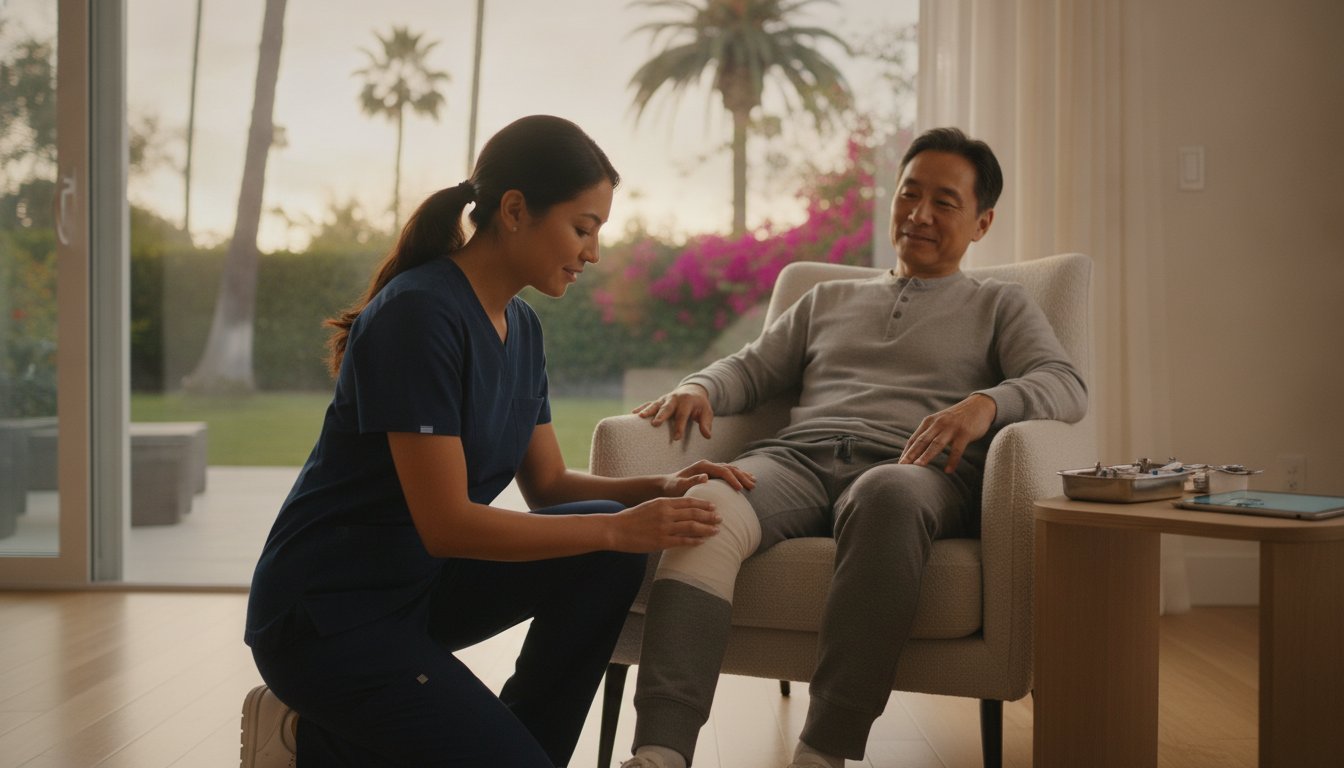
The most critical phase of your surgical journey doesn't happen in the sterile environment of an operating room. It unfolds in the quiet, focused moments of your own home. While the procedure itself is a milestone, the biological success of your recovery depends on your ability to maintain a pristine healing environment. It's natural to feel a sense of apprehension when you're tasked with preventing surgical wound infection at home, especially when the logistics of traveling to a clinic feel insurmountable during your initial recovery weeks.
You deserve a recovery experience that mirrors the precision of your surgery. We're here to help you master the professional protocols for incision management and provide the clarity needed to distinguish between normal healing and early signs of dehiscence. This guide outlines a structured roadmap for your daily care, while previewing how 2026 breakthroughs like the Connext Surgical Matrix and mobile negative pressure therapy can be integrated into your home environment. By the end of this article, you'll have the confidence to manage your recovery with the mindset of a clinical strategist, ensuring your path to physical excellence is both swift and secure.
Key Takeaways
- Establish a professional-grade sterile field at your bedside to master the clinical protocols for preventing surgical wound infection at home.
- Learn to identify the subtle biological markers of wound dehiscence and cellulitis before they compromise your long-term recovery goals.
- Discover how advanced interventions like Negative Pressure Wound Therapy (NPWT) and bio-engineered skin substitutes are now accessible through specialized mobile visits.
- Understand the strategic advantage of integrating bedside wound evaluations into your post-op routine to avoid the physical strain of clinic travel.
- Gain clarity on how mobile specialist care coordinates with your primary surgeon and home health agency for a truly comprehensive healing journey.
What Is Specialized In-Home Care for Surgical Wounds?
Specialized in-home care is a proactive medical strategy that transcends basic bandage changes. It represents a sophisticated layer of protection, designed to safeguard your recovery by combining your daily hygiene routines with specialist-led bedside interventions. While most patients expect to manage their own recovery, the complexity of modern procedures often requires more than just following a discharge sheet. True mastery in preventing surgical wound infection at home involves understanding the microscopic environment of your incision and knowing when to call in advanced oversight.
There is a distinct difference between a standard incision and a complex surgical wound. A standard incision is typically linear, well-approximated, and follows a predictable path toward closure. In contrast, a complex wound may involve high-tension areas, underlying health conditions like diabetes, or signs of stalled progress. For these cases, waiting for a scheduled six-week follow-up can be a strategic error. Specialized care brings the clinical expertise of a wound center directly to your bedside, ensuring that any deviation from the healing trajectory is addressed immediately.
The intricate stages of the wound healing process provide a roadmap for clinical intervention. This biological journey begins with hemostasis, followed by inflammation, proliferation, and finally, remodeling. The first 14 days post-op are particularly critical. During this window, the tissue has the least amount of tensile strength, making it vulnerable to both dehiscence and bacterial invasion. Mobile specialist care focuses on optimizing this two-week period to ensure the structural integrity of the site remains uncompromised.
The Role of the Mobile Wound Specialist
Board-certified specialists don't replace your primary surgeon; they complement their work by providing granular, daily oversight. In areas like Glendale, we've observed a significant shift toward mobile medical consultations for high-risk surgical patients. These bedside evaluations bridge the dangerous gap between hospital discharge and full recovery. By bringing advanced diagnostic tools to your home, specialists can identify sub-clinical markers of infection that might be missed during a standard self-check.
Understanding Your Incision Closure
The method used to close your incision dictates how the tissue will behave during the proliferation phase. Sutures provide high-precision internal support, while staples are often favored for high-tension areas like the hip or knee to manage mechanical stress. Modern adhesives and Steri-Strips offer a waterproof barrier for superficial layers and typically shed naturally as the skin regenerates. Understanding these mechanical differences helps you maintain the site without fear of disrupting the closure. Surgical wound management is a multidisciplinary approach that harmonizes surgical technique, patient adherence, and advanced clinical monitoring.
Daily Protocols: Preventing Surgical Wound Infection at Home
Precision is your most effective defense during the post-operative window. By curating a dedicated recovery environment, you mitigate the risk of environmental pathogens and ensure your body’s resources remain focused on tissue synthesis. Establishing a sterile field is the cornerstone of preventing surgical wound infection at home. This process begins with rigorous hand hygiene and the selection of a clean, well-lit area for all care activities. You should treat your recovery space with the same clinical respect as a minor procedure room, ensuring that all supplies remain in their sterile packaging until the exact moment of use.
Observation is an active clinical skill. Utilize natural sunlight whenever possible to assess the surgical site, as artificial lighting can often mask subtle changes in skin tone. You are looking for erythema (redness) that extends beyond the immediate incision line, edema (swelling) that feels tense to the touch, or any drainage that has shifted from clear to opaque. Following established guidelines for at-home care ensures that these daily inspections become a reliable data set for your recovery progress. If you notice a sudden shift in the color or odor of your exudate, it’s a signal that the local environment may be struggling to maintain its equilibrium.
Bathing requires a strategic approach to maintain site integrity. While your surgeon may clear you for showering, remember that tap water is not sterile. It contains trace minerals and bacteria that can be catastrophic for a healing incision if allowed to pool in the wound bed. Always use a waterproof barrier if instructed, and ensure the site is patted dry with a fresh, lint-free towel immediately after exposure. If you find these technical requirements challenging to manage alone, requesting personalized wound care treatment plans can provide the professional oversight necessary to navigate this high-stakes period.
Step-by-Step Dressing Change Guide
Removing an old bandage requires a gentle touch to protect newly formed granulation tissue. If the dressing adheres to the skin, use sterile saline to moisten the material before lifting it away at a low angle. When cleaning the perimeter, always move from the cleanest part of the incision toward the least clean areas to avoid cross-contamination. Selecting the right secondary dressing is equally vital; high-exudate wounds require absorbent foams, while drier sites benefit from hydrogels that maintain a moist healing environment without causing maceration of the surrounding skin.
Managing Pain and Comfort during Recovery
Distinguishing between normal post-op soreness and the throbbing, localized pain of infection is essential for preventing surgical wound infection at home. While some discomfort is expected, pain that intensifies or radiates away from the site may indicate a deep-tissue complication. Proper positioning and offloading are your primary tools for maintaining healthy blood flow. Furthermore, the role of compression therapy cannot be overstated, as it effectively reduces post-surgical swelling and supports the vascular system in delivering oxygen-rich blood to the proliferation zone.
Recognizing and Treating Surgical Wound Complications
Vigilance is a quiet form of mastery. While you focus on preventing surgical wound infection at home, you must also remain alert to structural failures like wound dehiscence. This occurs when the mechanical integrity of the closure is compromised, often due to excessive tension or poor tissue perfusion. Wound dehiscence is often a mechanical failure. When an incision begins to gap, it exposes deeper tissue layers to environmental contaminants. This necessitates immediate specialist oversight to prevent a minor separation from becoming a major clinical event.
Distinguishing between normal physiological inflammation and clinical cellulitis requires a discerning eye. Normal inflammation is a localized, temporary response during the early stages of practical steps of open wound care. However, if the redness spreads beyond the wound margin or the skin feels hot and indurated, you are likely facing cellulitis. The presence of eschar or slough further complicates this process by providing a sanctuary for bacteria. These types of necrotic tissue stall the healing cascade, essentially trapping the wound in a permanent state of inflammation and hindering your efforts in preventing surgical wound infection at home.
Beneath the surface, an invisible threat known as biofilm can develop. This complex community of microorganisms creates a protective matrix that shields bacteria from your body's immune response and systemic antibiotics. Biofilm is often why a wound that appears clean fails to progress. Breaking this cycle requires more than standard topical treatments; it demands strategic intervention to disrupt the matrix and restart the biological clock. Without addressing biofilm, even the most rigorous hygiene protocols may fail to achieve full closure.
When Home Care Is Not Enough: Red Flags
Certain clinical signs indicate that the infection has moved beyond the superficial layers. Be vigilant for "dishwater drainage," which is a thin, gray, or foul-smelling discharge that suggests deep-tissue involvement. Systemic indicators like a persistent fever over 101°F, chills, or sudden lethargy are signals that the infection may be spreading through your system. In these instances, wound culture testing is essential to identify the specific pathogen and tailor a precise antibiotic regimen.
Mobile Intervention for Non-Healing Wounds
When a wound stalls, mobile specialists provide the advanced care necessary to prevent an acute surgical site from becoming a chronic non-healing ulcer. Through bedside debridement, specialists surgically remove necrotic tissue and biofilm, effectively "resetting" the wound bed. This level of intervention ensures that your recovery remains on a trajectory toward physical excellence. It moves you away from a cycle of repetitive clinic visits and toward a definitive, data-driven resolution.

Advanced Regenerative Solutions for Post-Op Healing
Healing is no longer a passive event where we simply wait for the body to respond. We have moved beyond the traditional "bandage and wait" philosophy toward a proactive regenerative model that actively directs tissue reconstruction. By utilizing cellular scaffolds and biological signaling, we can jumpstart the proliferative phase of recovery. This accelerated closure is one of the most effective methods for preventing surgical wound infection at home, as it significantly reduces the duration that deep tissues remain vulnerable to environmental pathogens.
Amniotic membrane grafts represent a pinnacle of this technological shift. These grafts harness concentrated growth factors to stimulate rapid epithelialization, effectively providing a biological "fast track" for skin closure. Unlike traditional dressings that merely cover a site, these advanced materials interact with your own cells to coordinate a more organized healing response. When these technologies are integrated into your home care plan, the focus shifts from basic maintenance to high-level biological optimization.
The Science of Biological Grafts
Amniotic allografts serve a dual purpose by providing a physical protective barrier while simultaneously delivering essential cytokines to the wound bed. The clinical advantage of skin substitutes is particularly evident in high-risk surgical patients who may have compromised vascularity or metabolic challenges. As of January 1, 2026, Medicare’s transition to a flat-rate reimbursement model for these products has streamlined the process for patients to receive elite-level care at home. Recent breakthroughs, such as the 2026 FDA clearance of the Connext Surgical Matrix, allow mobile specialists to apply sophisticated collagen scaffolds right at your bedside.
Mobile NPWT (Wound VAC) Management
Negative Pressure Wound Therapy (NPWT), commonly known as a Wound VAC, uses controlled sub-atmospheric pressure to accelerate the healing of deep or complex incisions. The vacuum effect is highly efficient at reducing localized edema and increasing perfusion, which ensures that oxygen-rich blood reaches the critical proliferation zone. While managing a pump and canister may seem daunting, daily oversight becomes a seamless part of your routine with specialist guidance. If you are recovering from a complex procedure, you can access advanced mobile wound care services to ensure your NPWT system is functioning at peak efficiency, allowing you to troubleshoot alarms and maintain a consistent healing environment without the need for clinic travel.
The Healix360 Advantage: Expert Mobile Wound Care in Southern California
Recovery in Southern California often involves navigating complex logistics that can interfere with the biological demands of healing. Many families now choose mobile specialist visits to eliminate the physical and emotional toll associated with traditional clinic travel. By bringing elite bedside interventions directly to your residence, we ensure that preventing surgical wound infection at home remains your primary focus. This model allows you to remain in a controlled, comfortable environment while receiving the same high-caliber oversight found in a specialized wound center.
Our specialists don't operate in isolation. We provide seamless coordination with your existing home health agency and your primary surgeon, creating a unified clinical front against post-operative complications. Because our services are Medicare Part B compliant, you can access high-quality care with minimal out-of-pocket friction. This financial clarity allows you to focus your energy on recovery rather than administrative hurdles. Every intervention is guided by personalized treatment plans tailored to your unique biological needs, ensuring your specific healing markers are monitored with data-driven precision.
Serving Los Angeles, Glendale, and Beverly Hills
The stress of post-surgical transport can cause significant physiological strain, particularly during the critical first 14 days of tissue remodeling. We provide localized support for mobile wound care across L.A. County, including Glendale and Beverly Hills. By conducting detailed bedside evaluations, our board-certified specialists identify sub-clinical risks before they escalate into emergencies. This proactive monitoring is a key factor in preventing surgical wound infection at home and effectively reducing the likelihood of hospital readmissions.
Getting Started with Healix360
Initiating advanced care is a streamlined process designed to support your existing medical team. We work directly with your doctor or case manager to handle the referral process and ensure all clinical data is shared securely. During your first mobile medical consultation, you can expect a comprehensive assessment of your incision, a review of your current hygiene protocols, and the potential deployment of advanced regenerative technologies if indicated. Healix360 acts as a visionary strategist in your health journey, translating complex clinical data into a clear, actionable roadmap for your physical excellence. This partnership ensures that no detail of your recovery is overlooked, allowing you to reclaim your vitality with confidence.
Securing Your Path to Physical Excellence
Mastering the clinical protocols for preventing surgical wound infection at home is the most significant investment you can make in your long-term vitality. By transitioning from a passive recovery mindset to a proactive medical strategy, you ensure that every stage of the healing cascade is optimized for success. You've learned how to establish a sterile field, recognize the subtle markers of complications, and leverage 2026 breakthroughs like bio-engineered skin substitutes to accelerate tissue remodeling.
You don't have to navigate this critical window alone. As a dedicated Medicare Part B provider, Healix360 brings board-certified wound specialists and advanced technologies like NPWT and regenerative grafts directly to your bedside. We serve families across Los Angeles, Glendale, and Southern California, providing the expert oversight necessary to prevent readmissions and ensure a seamless return to physical excellence. Take the next step in your recovery journey today.
Schedule a Mobile Wound Specialist Consultation with Healix360 and experience the precision of expert care in the comfort of your home.
Frequently Asked Questions
Is it normal for a surgical wound to leak clear fluid at home?
It is normal for a surgical wound to leak a small amount of clear or pink-tinged fluid during the initial days of recovery. This serosanguinous drainage is a natural byproduct of the inflammatory phase of healing. However, if the fluid becomes cloudy, thick, or develops a foul odor, it may indicate a complication. Monitoring this drainage is a key part of preventing surgical wound infection at home and ensures your recovery stays on its intended trajectory.
Does Medicare cover mobile specialist visits for surgical wound care?
Medicare Part B generally covers mobile specialist visits for surgical wound care when the services are deemed medically necessary. This coverage includes bedside evaluations, sharp debridement, and the application of advanced biological grafts. Because Healix360 is a Medicare-compliant provider, patients can often receive these elite interventions with minimal out-of-pocket friction. This ensures that high-level clinical oversight is accessible to those who find clinic travel physically demanding during their post-operative window.
What is the difference between a home health nurse and a mobile wound specialist?
A home health nurse provides vital general recovery support, such as monitoring vitals and assisting with basic dressing changes. In contrast, a mobile wound specialist is a board-certified professional authorized to perform advanced clinical procedures like sharp debridement and amniotic membrane grafting at your bedside. While both roles are essential, the specialist focuses on the complex biological management of the wound bed to prevent chronic non-healing states and ensure long-term tissue integrity.
How can I tell if my surgical incision is infected or just healing?
A healing incision typically shows mild, localized redness and slight swelling that improves daily. An infection is characterized by spreading erythema, increasing pain, or skin that feels hot and indurated to the touch. You should also watch for systemic indicators such as fever or lethargy. Distinguishing between these states is vital for preventing surgical wound infection at home, as early intervention can stop a superficial issue from becoming a deep-tissue complication.
Can amniotic grafts be applied at home for surgical wounds?
Yes, amniotic membrane grafts can be applied in a home setting by board-certified mobile specialists. These advanced biological scaffolds deliver essential growth factors and cytokines directly to the wound bed to jumpstart the proliferative phase. By bringing this regenerative technology to your bedside, we eliminate the need for clinic visits while providing a protective barrier that accelerates closure. This sophisticated approach represents the intersection of cutting-edge science and personalized, patient-centric recovery.
What should I do if my surgical incision opens up (dehiscence)?
If your surgical incision opens, you should contact your surgeon or a mobile wound specialist immediately. Cover the site with a sterile, moist dressing to protect the exposed tissue from contaminants while you wait for a professional evaluation. Dehiscence is often a mechanical failure that requires clinical intervention to prevent further separation or infection. A specialist can assess the depth of the opening and determine if advanced closure techniques or negative pressure therapy are required.
How long does it typically take for a surgical wound to fully close?
Most surgical wounds achieve initial closure and significant tensile strength within four to six weeks. However, the complete remodeling phase, where the tissue regains its full structural integrity, can take up to a year or more. Your specific timeline depends on factors like the surgery type, your nutritional status, and any underlying health conditions. Consistent monitoring during the first 14 days is the most critical factor in ensuring the wound remains on a predictable path to resolution.
Can I shower with a Wound VAC (NPWT) system?
You generally cannot shower with a Wound VAC system unless your specialist has provided a specific waterproof cover or instructed you on how to safely disconnect the pump. Exposing the dressing or the suction tubing to tap water can introduce contaminants and break the airtight seal necessary for negative pressure therapy. Always consult your personalized care plan before exposing the site to moisture. Maintaining the integrity of the NPWT system is essential for consistent localized edema reduction and tissue perfusion.


