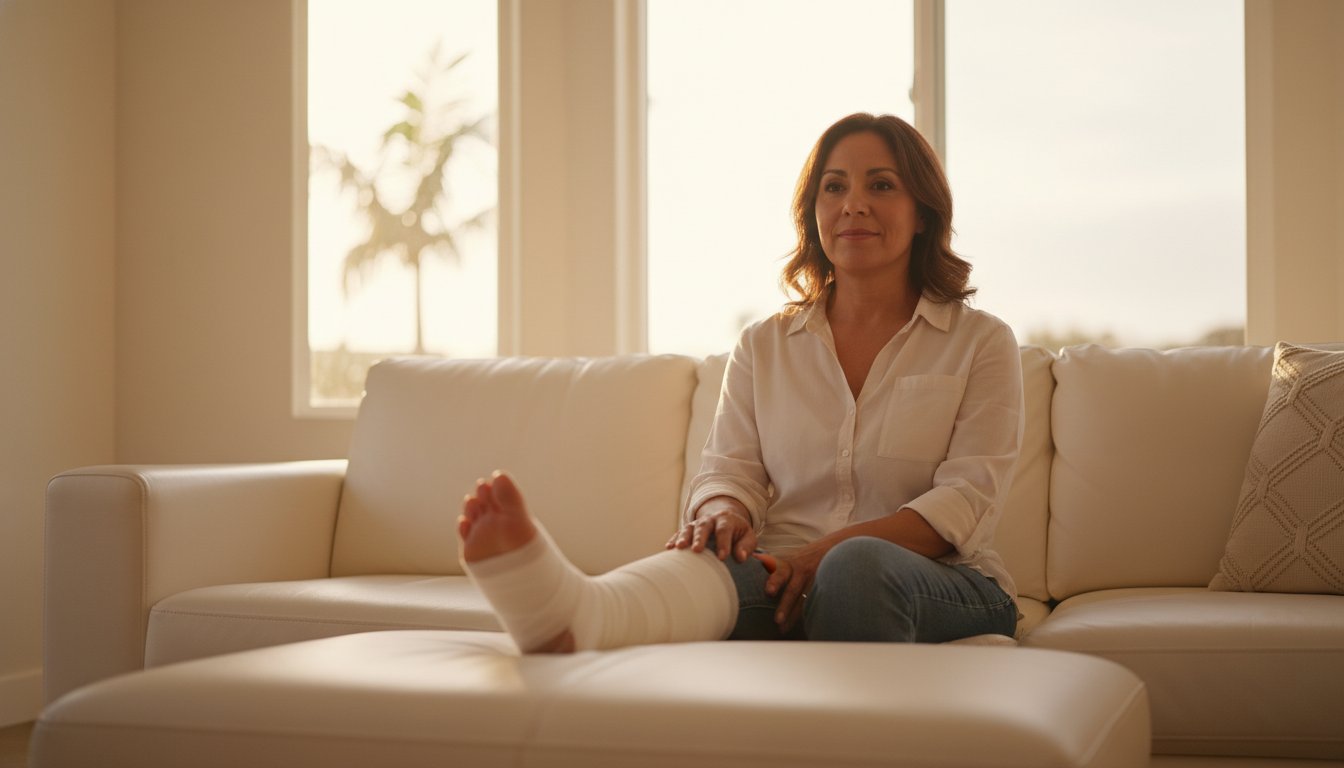
The success of your advanced wound treatment isn't decided during the procedure itself, but in the quiet, critical hours of cellular integration that follow. It's a high-stakes period where your body begins to communicate with a sophisticated biological scaffold. You might find yourself searching for clarity on what to expect after skin substitute graft application, wondering if the subtle changes you see represent a breakthrough in healing or a cause for clinical concern.
We understand that the transition from a professional setting to home recovery can feel daunting, especially when managing complex regenerative materials. It's natural to feel protective of your progress and anxious about the nuances of tissue integration. This guide provides the expert clarity you need to transform that uncertainty into proactive care. You'll discover the essential healing phases, evidence-based home care protocols, and the specific signs of success that indicate your graft is becoming a permanent part of your vitality.
We'll walk through the journey from initial application to full functional restoration. You'll learn how to distinguish between normal inflammatory responses and signs that require specialist attention, ensuring your path to recovery remains precise and uninterrupted.
Key Takeaways
- Understand how bio-engineered scaffolds differ from traditional grafts by eliminating the need for a painful secondary donor site wound.
- Gain clinical clarity on what to expect after skin substitute graft application, specifically during the vital 72-hour integration phase of imbibition and inosculation.
- Learn to distinguish healthy signs of success, like a pinkish hue and mild swelling, from concerning complications such as foul odors or spreading redness.
- Optimize your regenerative potential by prioritizing high protein intake and precise moisture balance to prevent scabbing and support collagen synthesis.
- Discover the advantages of specialist-led mobile monitoring that brings expert bedside assessments directly to your home in Southern California.
Understanding Your Skin Substitute Graft: How It Differs from Traditional Grafts
Traditional skin grafting often involves a borrow-and-replace strategy, where healthy tissue is harvested from one part of your body to cover another. While effective, this method creates a secondary wound, essentially doubling the trauma your body must manage during recovery. Skin substitutes represent a sophisticated paradigm shift in wound care. These bio-engineered scaffolds act as a template for your own cells to colonize and rebuild. Instead of simply covering a defect, they stimulate your body's innate regenerative pathways to close the wound from within.
When considering what to expect after skin substitute graft placement, it's helpful to understand that these materials are not meant to be permanent patches. Instead, they serve as temporary frameworks. Some are derived from amniotic membrane grafts, which are rich in natural growth factors, while others utilize synthetic polymers or bio-engineered cellular tissues. Regardless of the specific material, their purpose is twofold. They provide immediate protective coverage to sensitive nerves and exposed tissues while simultaneously delivering the biological signals necessary to jumpstart stalled, non-healing wounds. This advanced approach places you at the center of a high-tech healing journey that prioritizes your long-term vitality.
Why Your Doctor Chose a Skin Substitute
Clinical specialists often select these advanced materials for complex cases where traditional surgery might be too taxing for the system. For individuals managing chronic conditions like diabetic ulcers or venous stasis ulcers, a skin substitute offers a way to close wounds that have resisted standard treatments for months. This method significantly reduces surgical trauma, which is a critical consideration for elderly or immunocompromised patients. Because these grafts are often applied during a bedside visit, the process is faster and less invasive than traditional operating room procedures. This allows you to bypass the stressors of a hospital stay and begin your recovery immediately.
The Role of Regenerative Medicine in Wound Healing
Regenerative medicine focuses on restoring full biological function rather than just managing symptoms. Amniotic allografts provide a naturally occurring matrix that mimics the precise environment your body needs to grow new tissue. This scaffold effect is vital for closing deep ulcers, as it provides a stable structure for your own skin cells to bridge the gap. By leveraging these biological breakthroughs, we move beyond simple wound management toward total tissue restoration. You can explore more about these options in our comprehensive guide on advanced skin substitute treatments. Understanding what to expect after skin substitute graft application starts with recognizing that your body is now working in partnership with cutting-edge science to achieve physical excellence.
The Critical First 72 Hours: What Happens During the Integration Phase
The 72-hour window following your procedure represents the most sensitive phase of tissue integration. During this time, the bio-engineered material undergoes a complex biological transition to become a functional part of your anatomy. Understanding what to expect after skin substitute graft application allows you to act as an informed partner in your own recovery. This period is defined by three distinct biological milestones that determine the ultimate success of the graft.
- Stage 1 (Imbibition): For the first 24 hours, the graft survives through passive absorption. It acts like a biological sponge, drawing essential nutrients and plasma from the underlying wound bed to maintain cellular viability.
- Stage 2 (Inosculation): Between 48 and 72 hours, microscopic vessels from your body begin to align with the structural channels in the graft. This biological handshake creates the first physical connections between the scaffold and your circulatory system.
- Stage 3 (Revascularization): As the third day concludes, new blood flow is established through the graft. This process effectively anchors the material in place and provides the oxygenation necessary for long-term tissue health.
Because these microscopic connections are incredibly fragile, immobilization is your primary responsibility. Any shearing or friction can tear these nascent vessels, leading to graft failure. Think of the graft as a bridge under construction; even slight movement can disrupt the alignment of the structural beams before they are permanently bolted into place.
Immediate Post-Procedure Home Care
Your actions at home directly influence the speed of revascularization. To ensure the best outcome, follow these three essential steps. First, maintain strictly limited movement of the affected limb or area to prevent mechanical disruption of the graft. Second, keep the primary compression dressing exactly as applied by your specialist. This dressing provides the consistent pressure needed to keep the graft in direct contact with the wound bed. Finally, elevate the site above heart level. This simple action uses gravity to reduce swelling and pressure, which optimizes the environment for new vessel growth. For a detailed breakdown of daily logistics, you can review this guide on What to Expect at Home during the recovery process.
Pain Management and Sensory Expectations
It is normal to experience a mild throbbing or a "full" sensation at the wound site as blood flow returns to the area. These sensations often signal that the inosculation phase is progressing as intended. You can manage this discomfort with prescribed medications, though it is vital to avoid any substances that might thin the blood or interfere with the clotting cascade unless directed by your physician. While mild aching is expected, sudden or sharp pain should be reported to your specialist immediately. This could indicate a hematoma or a shift in the graft that requires a professional bedside wound evaluation to correct before the integration window closes.
Monitoring Your Progress: Normal Healing vs. Potential Complications
Your graft's appearance will evolve significantly as it transitions from a clinical application to a functional part of your tissue. Understanding exactly what to expect after skin substitute graft placement allows you to monitor your recovery with confidence rather than anxiety. While traditional grafts can sometimes appear static, bio-engineered materials are dynamic. They interact with your body’s chemistry to rebuild the skin's foundation. Successful integration often appears as a gradual softening of the material's edges, a process specialists describe as the graft "melting" into the wound bed. This isn't a sign of the material breaking down; it’s a sign that your body is successfully colonizing the scaffold with new, healthy cells.
A healthy recovery usually involves a pink or reddish hue across the site, which signals that revascularization is active. You might notice a small amount of clear or slightly pink drainage on your secondary dressing. This is a normal byproduct of the cellular reorganization occurring beneath the surface. Mild swelling around the edges of the wound is also common during the first few days. One of the most significant advantages of modern bio-engineered grafts, particularly amniotic membrane types, is that they rarely face the "rejection" common with traditional allografts. Because these materials are often non-immunogenic, your body views them as a helpful framework rather than a foreign invader.
However, vigilance is key to maintaining your recovery trajectory. You should watch for signs that the inflammatory process has shifted toward infection. Concerning symptoms include a foul or unusual odor, excessive drainage that appears thick or pus-like, and spreading redness that feels warm to the touch. This spreading redness, known as cellulitis, requires immediate professional attention to prevent it from compromising the graft's integrity.
Visual Milestones: Week 1 vs. Week 4
During the first week, the graft may appear white, gray, or slightly translucent as it remains in the early stages of nutrient absorption. Don't be alarmed by this lack of color; it's a standard part of the initial "take." By weeks two and three, you'll see the edges begin to flatten and blend seamlessly with the surrounding tissue. As you move into week four and beyond, you'll likely observe visible "islands" of new skin forming across the wound bed. These small patches of epithelial tissue will eventually merge to provide full, resilient coverage.
When to Contact Healix360 Immediately
While most recoveries follow a steady path, certain red flags necessitate an immediate bedside evaluation. Contact your specialist if you develop a fever over 101°F or experience systemic chills, as these can signal a developing infection. Visually, any sudden dark discoloration—such as the graft turning black or a deep, bruised purple—can indicate a loss of blood flow. Additionally, if your dressing becomes saturated with bright red blood or an overwhelming amount of fluid, it’s vital to have a professional assessment to ensure the graft hasn't shifted or become detached.

Optimizing Recovery at Home: Essential Care Protocols for Graft Success
Your lifestyle choices serve as the primary catalyst for the advanced biological processes initiated during your procedure. When considering what to expect after skin substitute graft application, you should view your recovery as a strategic partnership between clinical technology and your body's internal environment. Success requires a proactive approach to systemic health that supports the fragile integration occurring at the wound site.
Nutrition for regeneration is a non-negotiable pillar of this process. High protein intake provides the essential amino acids required for tissue repair, while Vitamin C acts as a critical cofactor in collagen synthesis. Without these building blocks, the regenerative scaffold cannot be effectively colonized by your own cells. Additionally, maintaining the correct moisture balance is vital. While many believe a scab is a sign of progress, in regenerative medicine, a dry scab is actually the enemy. It creates a physical barrier that prevents new skin cells from migrating across the graft. We prioritize a moist, stable environment to ensure cellular movement remains fluid and uninterrupted.
For patients managing chronic conditions, systemic stability is paramount. Tight blood sugar control is the cornerstone of successful diabetic ulcer treatment, as elevated glucose levels can impair the immune response and slow cellular proliferation. Similarly, smoking cessation is imperative during the integration phase. Nicotine constricts your blood vessels; this effectively starves the new graft of the oxygen and nutrients it needs to thrive. By optimizing these internal factors, you provide the "biological fuel" necessary for the graft to take hold.
Showering and Hygiene Rules
We implement a strict "no-soak" policy for the first 14 days to prevent graft maceration, which occurs when the tissue becomes overhydrated and fragile. You should use waterproof covers for sponge baths to ensure the primary dressing remains undisturbed. If your specialist clears the area for exposure, always pat the skin near the graft site gently with a clean towel. Never rub the area, as even minor friction can disrupt the delicate microscopic connections established during the first 72 hours of healing.
Activity Modification and Elevation
Physical activity must be carefully calibrated to protect the wound bed from high pressure. We recommend the 20-minute rule: avoid standing or letting the affected limb dangle for more than 20 minutes at a time. Elevation remains your most effective tool for managing swelling and optimizing venous return. While you should perform gentle range-of-motion exercises for your non-affected limbs to maintain circulation, always consult your surgical wound care specialist before resuming physical therapy or strenuous routines. Understanding what to expect after skin substitute graft success involves recognizing that temporary rest is an investment in your long-term physical excellence.
If you have questions about your specific recovery roadmap, you can schedule a professional bedside wound evaluation to ensure your healing remains on the right trajectory.
Professional In-Home Monitoring: Ensuring Long-Term Vitality with Healix360
The first week of recovery is a period of profound biological activity, and it shouldn't be interrupted by the physical and emotional stress of commuting to a clinic. Mechanical shearing, vibration during transport, and the simple exertion of navigating a medical facility can all jeopardize the fragile microscopic connections of a new graft. By choosing a mobile model of care, you eliminate these external risks and allow your body to focus entirely on regeneration. Our board-certified specialists bring the highest standards of clinical excellence directly to your residence in Southern California. Understanding what to expect after skin substitute graft placement includes recognizing that expert oversight is most effective when it meets you where you are.
Accessibility to advanced care is a core pillar of our philosophy. Most regenerative treatments, including bio-engineered skin substitutes, are Medicare-Compliant Wound Care Services covered under Medicare Part B for eligible patients. This ensures that high-achievers who view their health as their most valuable asset can access the latest breakthroughs without administrative friction. We maintain seamless coordination with home health agencies and primary care physicians to ensure your care plan is consistent and comprehensive. This unified approach means no detail of your systemic health is overlooked, from vascular efficiency to nutritional support.
The Healix360 Advantage in Los Angeles
In the expansive landscape of Los Angeles, we provide a specialized roadmap for patients in Glendale, Beverly Hills, and the surrounding areas. Our mobile advanced wound care specialists perform bedside evaluations that are designed to catch complications before they require hospitalization. If necessary, we can perform advanced debridement or graft re-application in the comfort of your home. These interventions are conducted with the same scientific rigor found in elite clinical environments, but delivered with a human-centric warmth that reassures you that you're in expert hands.
Taking the Next Step in Your Healing Journey
True recovery involves a transition from acute graft management to long-term wound prevention and vitality. Once the initial integration is successful, we focus on the systemic factors that influence skin health. This includes regular vascular checks and sophisticated edema management strategies to maintain optimal circulation. By addressing the root causes of non-healing wounds, we help you return to your daily activities with a renewed sense of confidence and physical excellence. Your journey to restoration starts with a single, professional assessment. Schedule your expert mobile wound assessment today to ensure your recovery is guided by precision and proactive care.
Mastering Your Path to Full Restoration
Achieving a successful recovery requires more than just clinical application; it demands a strategic commitment to protecting your body's regenerative potential. By understanding the delicate biological milestones of the first 72 hours and adhering to precise home care protocols, you ensure that your bio-engineered scaffold has the stability it needs to integrate fully. This structured approach to what to expect after skin substitute graft placement allows you to move forward with quiet confidence, knowing that every phase of healing is supported by scientific rigor.
You don't have to navigate this critical transition alone. As a Medicare Part B provider, our board-certified wound specialists bring the latest breakthroughs in mobile regenerative medicine directly to your home across Southern California. We provide the bedside assessments and personalized roadmaps necessary to bridge the gap between treatment and long-term vitality. Your health is your most valuable asset, and we're here to ensure it's protected with the highest level of expertise and precision.
Schedule Your Expert Mobile Wound Care Consultation today and take a proactive step toward your physical excellence. You deserve a recovery that is as precise as the technology that made it possible.
Frequently Asked Questions
How long does it take for a skin substitute graft to heal completely?
While the initial integration phase occurs within the first 7 days, complete healing and tissue remodeling typically take between 4 and 12 weeks. This timeline depends on your systemic health and the wound's original depth. During this period, your body gradually replaces the bio-engineered scaffold with its own resilient skin cells. We track these milestones through regular bedside evaluations to ensure your recovery stays on its optimal trajectory.
Is it normal for a skin substitute graft to look purple or gray?
A gray, white, or slightly translucent appearance is common during the first week of recovery. This happens because the graft hasn't yet established a full blood supply and is relying on passive nutrient absorption. As revascularization progresses, the site should transition to a healthy pink hue. However, a sudden shift to deep purple or black can indicate a loss of blood flow and requires an immediate specialist assessment.
Can I walk on my foot after a skin substitute graft for a diabetic ulcer?
Protecting the graft from mechanical pressure is vital, so you should avoid weight-bearing activities on the affected foot unless specifically cleared. Walking creates shearing forces that can tear the microscopic vessels trying to connect your body to the graft. Your specialist will provide a personalized offloading plan, which might include specialized footwear, to ensure your diabetic ulcer treatment results in successful, long-term tissue integration.
Does Medicare cover the cost of bio-engineered skin substitutes at home?
Medicare Part B often covers the cost of advanced skin substitutes when they are deemed medically necessary for chronic or non-healing wounds. These Medicare-Compliant Wound Care Services include both the regenerative material and the professional bedside application by a specialist. We handle the coordination with your insurance providers to ensure you have a clear, transparent roadmap of your coverage and benefits before beginning treatment.
What happens if my skin substitute graft doesn't 'take'?
If a graft fails to integrate, we immediately pivot to identify and treat the underlying barrier, such as hidden infection or poor circulation. We may use wound culture and sensitivity testing or advanced debridement to prepare the wound bed for a more successful environment. Once these systemic or local issues are resolved, a subsequent graft application can often achieve the physical excellence and closure we are targeting.
When can I stop wearing the compression bandage over my graft?
You should maintain your compression therapy until a specialist confirms that the graft has achieved stable integration and the surrounding edema is controlled. The bandage provides the necessary pressure to keep the graft in direct contact with the wound bed while preventing fluid buildup. Most patients continue this protocol for several weeks to support the fragile new tissue as it gains the strength to handle normal internal pressure.
How do I know if my skin graft is infected versus just healing?
Normal healing involves mild pinkness and clear drainage, while infection typically presents with a foul odor, thick yellow drainage, and spreading warmth. Knowing what to expect after skin substitute graft application is key to catching issues early. If you notice redness expanding rapidly away from the wound or experience a fever over 101°F, these are systemic signals that you need a professional bedside evaluation to protect the graft.
Are skin substitutes better than traditional skin grafts for elderly patients?
Bio-engineered substitutes are often the preferred choice for elderly patients because they eliminate the need for a secondary donor site wound. Traditional grafting requires harvesting healthy skin from another part of the body, which increases surgical trauma and recovery time. Substitutes allow for a less invasive, bedside approach that prioritizes systemic stability and physical excellence while still delivering the growth factors necessary for closing complex, chronic wounds.


