
Imagine the physical and emotional strain of preparing a loved one with limited mobility for a difficult transport just to have a specialist evaluate a non-healing wound. For many local families, securing consistent in-home pressure ulcer care in Glendale, CA, is the primary obstacle to preventing severe complications like infection or amputation. You likely feel the weight of responsibility in managing these complex injuries while worrying about wound staging or the long-term prognosis for your family member.
It's understandable to feel overwhelmed by the technical demands of wound management and the uncertainty of insurance coverage. However, you don't have to navigate these clinical challenges alone or endure the stress of frequent clinic visits. This guide demonstrates how advanced mobile solutions bring regenerative medicine directly to your bedside to accelerate the healing process and restore comfort.
We will examine the latest clinical protocols for pressure injury treatment, including the use of bio-engineered skin substitutes and amniotic membrane grafts. You'll also learn how professional bedside evaluations provide the expert guidance caregivers need while establishing a clear path toward Medicare-compliant reimbursement and improved patient outcomes.
Key Takeaways
- Understand why traditional home health services often require supplementation from specialized mobile wound care teams to effectively manage chronic or non-healing pressure injuries.
- Learn how professional bedside evaluations accurately stage pressure ulcers to ensure the most effective clinical interventions are applied immediately at home.
- Discover the regenerative benefits of amniotic membrane grafts and bio-engineered skin substitutes as part of comprehensive in-home pressure ulcer care glendale ca.
- Identify the streamlined process for securing Medicare Part B coverage for advanced wound treatments delivered directly to your residence or assisted living facility.
- Explore how specialized mobile wound care reduces the risk of hospital readmissions and prevents severe complications such as infection or amputation.
The Critical Need for Specialized In-Home Pressure Ulcer Care in Glendale
Glendale's aging population faces unique healthcare challenges, particularly regarding chronic wound management. As residents age in place, the prevalence of pressure injuries increases, often complicating existing conditions like diabetes or limited mobility. Traditional home health services provide essential nursing care, yet they frequently lack the specialized tools and board-certified expertise required to manage complex ulcers. This gap in care can lead to avoidable hospital readmissions. Securing specialized in-home pressure ulcer care glendale ca addresses this by bringing clinical-grade treatments directly to the patient's residence.
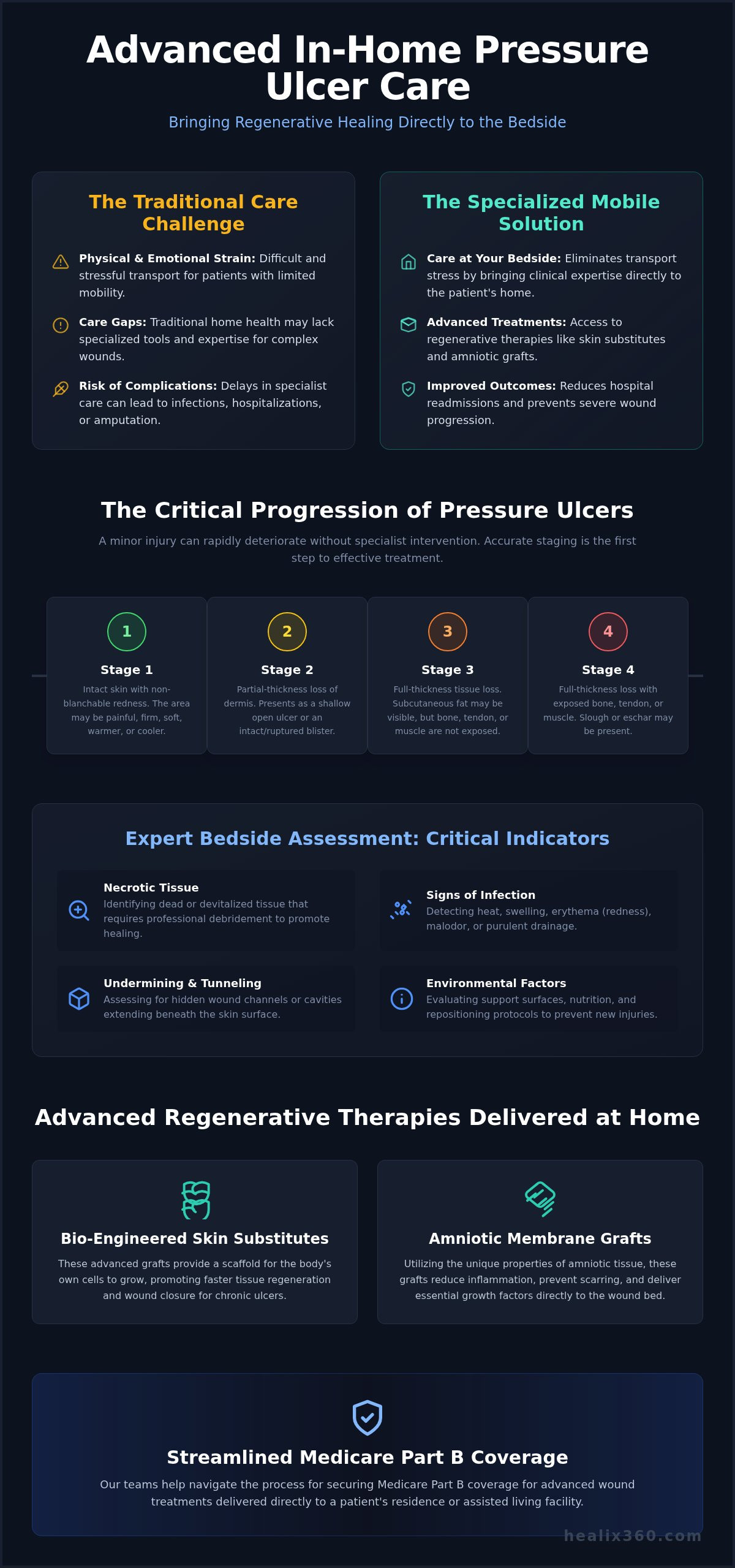
Preventing the progression of these injuries is a medical necessity. A Stage 1 ulcer can rapidly deteriorate into a Stage 3 or 4 wound, involving deep tissue, muscle, or bone. Mobile wound care specialists focus on early intervention to stabilize these wounds before they require surgical intervention. By providing expert bedside evaluations, these teams reduce the immense physical and emotional burden placed on Glendale families.
Why Bedsores Require Immediate Specialist Intervention
A pressure injury is not a static condition; it's a dynamic clinical event. Understanding What is a Pressure Ulcer? involves recognizing how localized damage to the skin and underlying tissue occurs due to prolonged pressure. Without specialist intervention, a minor area of redness can evolve into a deep cavity within days. This progression increases the risk of systemic infections such as sepsis or osteomyelitis, a serious bone infection that often necessitates aggressive antibiotic therapy or amputation.
Early identification of necrotic tissue is vital for recovery. Clinical specialists look for several critical indicators during a bedside assessment:
- Presence of necrotic or devitalized tissue that requires debridement
- Signs of localized infection like heat, swelling, or erythema
- Wound malodor and abnormal purulent drainage
- Evidence of undermining or tunneling beneath the skin surface
Mobile specialists utilize sharp debridement and advanced wound culture and sensitivity testing to manage these risks effectively at the bedside, ensuring the wound environment is optimized for healing.
The Benefits of Mobile Wound Care for Glendale Residents
For many Glendale residents, the most significant barrier to effective treatment is the physical act of attending a clinic. Transporting an immobile patient often involves specialized medical transport, which is both costly and physically traumatic for the individual. Mobile in-home pressure ulcer care glendale ca eliminates this obstacle by transforming the patient's bedroom into a clinical environment equipped for advanced procedures.
Bedside assessments allow for a more comprehensive understanding of the patient's daily environment. Specialists evaluate support surfaces, nutrition, and repositioning protocols in real-time to prevent new injuries. These mobile teams also act as a clinical extension of the patient’s existing medical circle. They coordinate directly with local Glendale primary care physicians and home health agencies to ensure a unified treatment plan. This collaborative approach streamlines the path to healing while keeping the patient in the safety of their own home.
Staging and Assessing Pressure Injuries at the Bedside
Accurate staging is the foundation of a successful treatment plan. Unlike generalized nursing visits, specialized in-home pressure ulcer care glendale ca utilizes clinical Pressure Injury Staging Guidelines to determine the exact depth and severity of tissue involvement. This precision allows our specialists to identify whether a wound is progressing toward a critical state or responding to current interventions. At the bedside, we perform deep-tissue assessments that go beyond surface-level observation to ensure no underlying damage is overlooked.
Understanding the Four Stages of Pressure Ulcers
Pressure injuries are classified into four primary stages based on the extent of tissue damage. Identifying these stages correctly is vital for selecting the appropriate regenerative therapies or dressings.
- Stage 1: Characterized by non-blanchable erythema. The skin is intact but remains red when pressed, signaling early-stage tissue stress and the need for immediate pressure relief.
- Stage 2: Involves partial-thickness skin loss. This appears as a shallow open ulcer or a fluid-filled blister, affecting the epidermis or dermis layers.
- Stage 3: Full-thickness tissue loss. Subcutaneous fat may be visible, but bone, tendon, and muscle are not yet exposed.
- Stage 4: The most severe form, involving full-thickness loss with extensive destruction, tissue necrosis, or damage to muscle, bone, or supporting structures.
In some clinical scenarios, wounds are classified as "unstageable" when the wound bed is covered by slough or eschar. This necrotic material must be removed through sharp debridement before an accurate stage can be determined. We also monitor for deep tissue pressure injuries, which appear as persistent, non-blanchable deep red or purple discoloration.
Bedside Diagnostic Techniques for Glendale Patients
Our specialists employ rigorous measurement and documentation protocols during every visit. We track wound dimensions, including length, width, and depth, while checking for undermining or tunneling. These secondary features often indicate that the injury is more extensive than it appears on the surface. Assessment of the periwound skin is equally vital; maceration or inflammation in the surrounding area often dictates changes in moisture management or dressing selection.
When signs of infection are present, we perform wound culture and sensitivity testing at the bedside. This allows us to identify specific pathogens and tailor antibiotic therapy or topical treatments to the patient's specific needs. If you're concerned about a deteriorating wound, you can request a specialized bedside evaluation to ensure your loved one receives the correct level of care. These diagnostic steps are essential for preventing the complications mentioned previously and represent the highest standard of in-home pressure ulcer care glendale ca.
Advanced Regenerative Therapies for Chronic Bedsores
Traditional wound management often relies on passive dressings that merely protect the injury from external contaminants. In contrast, advanced in-home pressure ulcer care glendale ca utilizes active regenerative therapies to restart the healing cascade in stalled or chronic wounds. These treatments are particularly effective for injuries that haven't shown significant improvement through standard care over a 30 day period. By bringing these clinical solutions to the bedside, we eliminate the need for patients to visit specialized wound centers for high level interventions.
Negative Pressure Wound Therapy (NPWT) is a key component of this mobile clinical approach. This system uses a vacuum dressing to create sub-atmospheric pressure at the wound site. NPWT effectively removes excess wound fluid, reduces localized swelling, and increases blood flow to the area. These combined effects encourage the formation of healthy granulation tissue. Modern mobile NPWT units are compact and quiet, allowing Glendale residents to receive continuous therapy without the disruption of a hospital stay.
Amniotic Membrane Grafts and Skin Substitutes
Regenerative medicine has introduced the use of skin substitute technology as a primary intervention for non-healing ulcers. Amniotic membrane grafts are rich in essential cytokines and growth factors that facilitate rapid cellular repair. These grafts act as a biological scaffold, providing the necessary signals for the body to close deep tissue injuries that have otherwise failed to heal.
For elderly or diabetic patients in Glendale, these grafts offer a significant clinical advantage. They address the limitations of aging skin by introducing fresh biological material to the wound bed. Our specialists apply these amniotic allografts during a standard home visit. The process is minimally invasive and performed with professional rigor to ensure a sterile environment. This technology represents a shift from simply managing a wound to actively promoting its closure.
Sharp Debridement and Wound Bed Preparation
Effective bed sores ulcer care begins with meticulous wound bed preparation. Healthy tissue cannot grow over a layer of necrotic debris, slough, or biofilm. Sharp debridement is the gold standard for removing this devitalized tissue. It allows the clinician to expose a viable, bleeding wound base that is receptive to subsequent regenerative treatments.
Specialists prioritize patient comfort during these in-home procedures. We use topical anesthetics to manage pain effectively while performing precise tissue management. Precise debridement also reduces the bacterial load within the wound, lowering the risk of systemic infection. This careful preparation ensures that bio-engineered skin substitutes have the highest probability of successful integration into the patient's tissue.
Medicare Coverage and Logistics for Glendale Home Visits
Navigating the administrative side of chronic wound management shouldn't be a barrier to receiving high-quality treatment. Healix360 operates as a dedicated Medicare Part B provider, specializing in advanced mobile wound care throughout Southern California. Our clinical team manages the complexities of insurance reimbursement so that families can focus on the patient's recovery. This specialized in-home pressure ulcer care glendale ca ensures that patients receive board-certified expertise without the logistical burden of clinic visits.
The referral process is designed to be seamless for both families and healthcare providers. We frequently collaborate with hospital discharge planners in Glendale to ensure a smooth transition for patients returning home with complex wounds. By initiating specialist follow-up care immediately after discharge, we significantly reduce the risk of infection or readmission. Our team handles the necessary documentation to establish medical necessity, providing a clear path to receiving advanced regenerative treatments at home.
Medicare Part B and Mobile Wound Care Specialists
Medicare Part B covers many of the advanced regenerative procedures we provide, including bio-engineered skin substitutes and amniotic allografts. It's important to distinguish between traditional home health and mobile specialist visits. Home health agencies typically operate under Medicare Part A, providing generalized nursing and physical therapy. Healix360 specialists provide a separate layer of clinical expertise billed under Part B. This structure allows us to work alongside your current home health agency rather than replacing them.
Glendale seniors often find that this dual approach provides a more robust clinical safety net. While the home health nurse manages daily dressing changes, our specialists perform the advanced procedures like sharp debridement or graft application. This collaborative model ensures that every aspect of the wound environment is managed by the appropriate level of clinical professional. Most importantly, it allows patients to access high-tier medical technology without the high costs associated with inpatient wound centers.
Partnering with Families and Assisted Living Facilities
We maintain strong partnerships with assisted living facilities and private caregivers across Glendale. Our specialists don't just treat the wound; they develop collaborative care plans that address the root causes of pressure injuries. This includes educating family caregivers on essential pressure redistribution techniques and nutritional support. We schedule recurring visits based on the clinical needs of the patient, ensuring that chronic wounds are monitored with professional rigor and documented for insurance compliance.
Effective in-home pressure ulcer care glendale ca requires a unified team approach. We provide caregivers with clear, actionable guidance on how to maintain the wound bed between specialist visits. This education is vital for preventing the development of new injuries and ensuring the success of regenerative grafts. If you're currently managing a non-healing bedsore, you can verify your Medicare eligibility for mobile wound care to begin the enrollment process and secure a bedside evaluation.
Why Healix360 is Glendale’s Choice for Advanced Wound Care
Healix360 represents a specialized clinical resource for Glendale residents. Unlike general home health agencies that provide a broad range of nursing services, we focus exclusively on complex wound management. Our network of board-certified wound specialists brings a level of medical authority typically found only in major hospital wound centers. This expertise is critical for families seeking in-home pressure ulcer care glendale ca that prioritizes the prevention of severe complications through high-level medical intervention.
Our primary clinical objective is to prevent hospital readmissions and avoid the necessity of amputations. We achieve this by deploying regenerative medicine protocols early in the treatment process, rather than waiting for traditional dressings to fail. By tailoring treatment plans to the specific mobility levels and health history of each patient, we ensure that the wound bed is optimized for closure. This personalized approach is essential for patients with chronic comorbidities, such as diabetes or vascular disease, that significantly hinder the body's natural healing cascade.
The Healix360 Mobile Advantage
The Healix360 mobile advantage is defined by our ability to deliver hospital-grade technology directly to your Glendale residence. We specialize in chronic and non-healing wound management, utilizing advanced equipment such as Negative Pressure Wound Therapy (NPWT) and bio-engineered skin substitutes. Our specialists carry all necessary tools to perform sharp debridement and wound culture testing at the bedside, ensuring that clinical standards are maintained in a home setting.
Receiving these high-level interventions at home significantly reduces the physiological and emotional stress associated with sterile clinical environments. This comfort is not just a matter of convenience; it's a vital component of the recovery process for elderly or immobile patients who may find travel physically traumatic. We bring the clinic to you, ensuring that the standard of care remains uncompromising regardless of the patient's location. This mobile model allows for more frequent monitoring and faster adjustments to the treatment plan as the wound evolves.
Start Your Healing Journey in Glendale Today
Initiating professional care is a straightforward clinical process. To begin, families, case managers, or healthcare providers can request a comprehensive bedside wound evaluation. During this initial visit, our specialists perform a full assessment, including staging, measurement, and diagnostic testing if necessary. This evaluation forms the basis of a Medicare-compliant treatment plan designed for long-term stabilization and healing.
You will need to provide basic medical documentation, such as recent hospital discharge summaries or a referral from a primary care physician, to facilitate our specialized billing process. If you are currently managing a non-healing bedsore, it's vital to act before infection sets in. You can Contact our advanced wound care specialists for immediate support and to schedule your first consultation. Our team is ready to provide the clinical rigor and specialized expertise required for effective in-home pressure ulcer care glendale ca.
Advancing Recovery with Specialized Mobile Wound Care
Effective pressure injury management requires more than basic dressings; it demands the integration of advanced regenerative medicine and specialist oversight. By choosing in-home pressure ulcer care glendale ca, you ensure that your loved one receives board-certified expertise and hospital-grade technology without the stress of clinical transport. We have examined how amniotic membrane grafts and precise bedside staging can accelerate the healing process while significantly reducing the risk of hospital readmissions.
Healix360 stands as a dedicated Medicare Part B provider, offering a streamlined path to advanced treatments that are fully compliant with insurance standards. Our board-certified specialists are committed to preventing severe complications through personalized treatment plans and expert caregiver guidance. You don't have to manage these complex clinical challenges alone. Professional support is available to bring clinical rigor directly to your bedside.
Schedule a Bedside Wound Evaluation in Glendale with Healix360 today to secure the specialized care your family deserves. With the right clinical support, a path toward stabilized healing and improved quality of life is within reach.
Frequently Asked Questions
Does Medicare cover in-home pressure ulcer treatment in Glendale?
Yes, Medicare Part B covers specialized mobile wound care services when they are medically necessary. This coverage includes bedside evaluations, sharp debridement, and advanced regenerative treatments like amniotic membrane grafts. Healix360 is a Medicare Part B provider, which allows us to bill for these specialist services separately from your traditional home health nursing. Patients are typically only responsible for their standard Part B deductible and coinsurance.
What is the difference between a bedsore and a pressure ulcer?
There is no clinical difference between a bedsore and a pressure ulcer; they are interchangeable terms for the same condition. Medical professionals often prefer the term "pressure injury" to describe localized damage to the skin and underlying soft tissue. These injuries usually occur over bony prominences as a result of intense or prolonged pressure. Regardless of the name, these wounds require specialized in-home pressure ulcer care glendale ca to prevent progression.
Can a Stage 4 pressure ulcer be treated at home?
Yes, Stage 4 pressure ulcers can often be managed at home using advanced mobile wound care protocols. Treatment involves professional sharp debridement to remove necrotic tissue and the application of regenerative grafts to promote deep tissue repair. Mobile specialists also utilize Negative Pressure Wound Therapy (NPWT) to manage drainage and encourage granulation. This intensive bedside care helps patients avoid the physical trauma of frequent hospitalizations or nursing home stays.
How often will a wound specialist visit my home in Glendale?
Visit frequency is determined by the clinical severity of the wound and the specific requirements of the treatment plan. Patients receiving advanced regenerative therapies or NPWT typically require weekly specialist visits for assessment and procedure implementation. We coordinate these visits with your existing home health agency to ensure continuous monitoring. Our goal is to provide consistent oversight until the wound shows sufficient stabilization and progress toward closure.
What are amniotic membrane grafts and how do they help bedsores?
Amniotic membrane grafts are biological tissues rich in growth factors and cytokines that facilitate rapid cellular repair. These grafts act as a regenerative scaffold that stimulates the body's natural healing process while reducing inflammation in chronic wounds. By applying these grafts directly to a non-healing bedsore at the bedside, we provide the biological signals necessary to restart healing in stalled tissue. This technology is particularly effective for deep Stage 3 and 4 ulcers.
Do I need a referral to see a mobile wound care specialist?
Yes, a clinical referral from a primary care physician or a hospital discharge planner is required for Medicare-compliant services. This documentation establishes the medical necessity for specialist intervention beyond general nursing care. Our administrative team assists with the referral process by coordinating directly with your doctor's office. Once the referral is secured, we can schedule a comprehensive bedside evaluation to begin your personalized treatment plan and initiate advanced care.
What should I do if a bedsore starts to smell or change color?
You should contact a wound specialist immediately if you notice a foul odor, abnormal drainage, or increased redness around the wound site. These are clinical indicators of a localized infection or the presence of necrotic tissue. Our specialists perform bedside wound culture and sensitivity testing to identify the specific pathogens involved. Early intervention with professional debridement or targeted therapy is essential to prevent the infection from spreading to the bone or bloodstream.
How can I prevent new pressure ulcers from forming at home?
Prevention focuses on consistent pressure redistribution and maintaining skin integrity through proper nutrition and hydration. We recommend a strict repositioning schedule and the use of specialized support surfaces, such as pressure-redistributing mattresses or cushions. During our visits for in-home pressure ulcer care glendale ca, we provide detailed education to caregivers on how to identify early warning signs. Regular skin inspections are vital for detecting non-blanchable redness before it evolves into an open wound.


