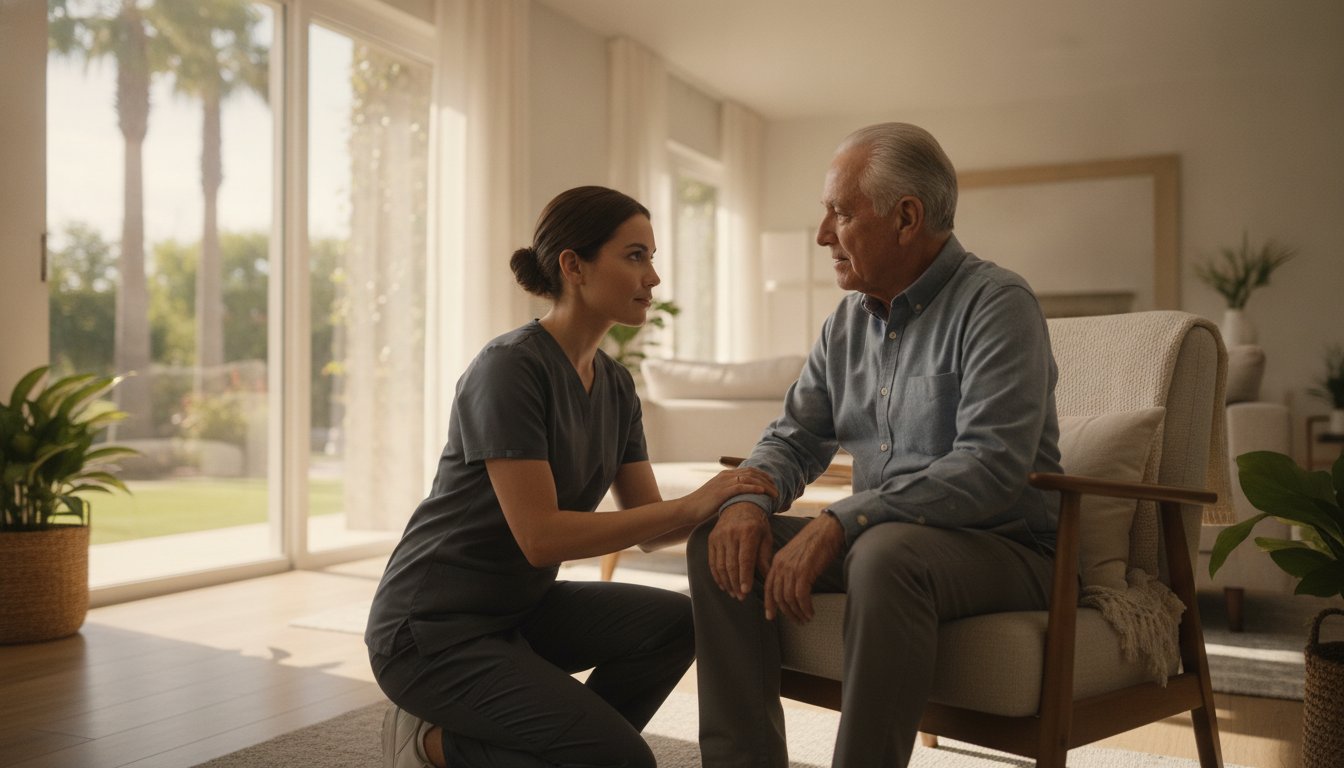
That standard adhesive bandage in your medicine cabinet might be the very thing that turns a minor skin tear into a chronic non-healing wound. It’s natural to feel a sense of urgency and even deep anxiety when you first notice a wound, especially when you’re worried about causing further pain or inviting infection. You want to act quickly to protect your loved one, yet the fear of making the situation worse often leads to hesitation. This guide provides you with a clear, data-driven roadmap for treating torn skin in elderly patients at home, ensuring you can stabilize the injury with clinical precision and confidence. We'll explore the latest 2025 ISTAP classification standards for assessing wound severity, detail the precise steps to stop bleeding safely, and explain exactly when a mobile specialist should step in with advanced regenerative therapies like bio-engineered skin substitutes. By understanding the intersection of immediate stabilization and long-term vitality, you don't have to wonder if you're doing enough. Instead, you can navigate these moments with mastery and ensure the best possible health outcomes.
Key Takeaways
- Master the precise steps for treating torn skin in elderly patients at home by prioritizing gentle bleeding control and saline-based cleansing to protect fragile tissue.
- Learn to utilize the ISTAP classification system to accurately assess wound severity and determine if the skin flap can be safely realigned for optimal healing.
- Understand the underlying biological shifts, such as the loss of dermal collagen and elastin, that make aging skin significantly more susceptible to traumatic shear injuries.
- Recognize the critical indicators that signal a transition from home care to professional mobile wound evaluation to avoid the risks of chronic, non-healing cycles.
- Discover how advanced regenerative interventions, including amniotic membrane grafts and bio-engineered skin substitutes, provide a biological scaffold for accelerated recovery.
What is a Skin Tear? Understanding Fragility in Aging Skin
A skin tear is far more than a simple graze; it is a traumatic wound that occurs when friction or shearing forces separate the layers of the skin. For seniors, these injuries represent a significant clinical event because the skin's architecture has undergone a profound biological transformation. When you are treating torn skin in elderly patients at home, you aren't just managing a surface-level injury. You are navigating a landscape where the loss of collagen, elastin, and subcutaneous fat has compromised the body's primary defensive barrier. While younger skin relies on a robust mechanism of wound healing to quickly bridge gaps, the elderly patient faces a landscape where reduced vascularity and thinning tissue make even minor contact dangerous.
Common triggers often seem innocuous. A gentle bump against a bedside table, the removal of standard medical adhesive, or even slightly rough handling during a transfer can result in a significant tear. Because aging skin lacks the structural integrity of its youth, these "minor" incidents are often deep and prone to complications. Recognizing the severity of these wounds is the first step toward proactive, professional care.
The Anatomy of Aging Skin and Vulnerability
The biological vulnerability of seniors stems from the flattening of the basement membrane zone, the critical junction where the epidermis and dermis interlock. As we age, this interface loses its undulating, "wave-like" structure, making the layers slide against each other and tear with minimal force. This vulnerability is compounded by reduced sebum production, which leaves the skin feeling brittle and parchment-like. Dermatoporosis is the medical term used to describe this chronic state of extreme skin fragility and functional failure.
Why Early Intervention Matters for Long-term Vitality
Treating torn skin in elderly patients at home requires a strategic mindset because an unmanaged tear can rapidly evolve into a chronic, non-healing ulcer. Beyond the physical risks, these injuries often carry a heavy emotional burden. A sudden wound can lead to a loss of confidence, causing seniors to limit their movement and sacrifice their independence to avoid further injury. By prioritizing proactive skin health management and stabilizing wounds immediately, you protect both the patient's physical integrity and their long-term quality of life. Mastery over these clinical details ensures that a single tear does not become the catalyst for a broader decline in systemic health.
Treating Torn Skin in Elderly Patients at Home: Immediate Steps
Immediate stabilization is the cornerstone of effective recovery. When you are treating torn skin in elderly patients at home, your primary goal is to protect the viable tissue that remains while preventing environmental contamination. Following a structured, clinical protocol ensures that you minimize trauma and set the stage for advanced healing. If a wound appears complex or shows signs of stalled progress, consulting with advanced wound care specialists can provide a clear roadmap for regenerative recovery.
- Step 1: Control bleeding. Use sterile gauze to apply gentle, sustained pressure for five to ten minutes. Avoid aggressive pressing, as this can further damage fragile capillaries.
- Step 2: Cleanse the area. Use saline or room-temperature tap water to rinse away debris. Avoid hydrogen peroxide or harsh soaps, which are often cytotoxic and can destroy the very cells needed for repair.
- Step 3: Re-approximate the skin flap. If the flap is still attached, carefully roll it back into its original position using a dampened cotton tip. This alignment is a key component of the ISTAP classification system for assessing wound severity.
- Step 4: Apply a non-adherent dressing. Use a silicone-faced or petrolatum-based contact layer. These materials maintain a moist environment, which is essential for cellular migration and prevents the bandage from sticking to the wound bed.
- Step 5: Secure the dressing safely. Use tubular bandages or soft gauze wraps to hold the dressing in place. Avoid traditional medical tape, which can cause secondary tears upon removal.
The "Never" List: Common Home Care Mistakes
Standard adhesive bandages, often called Band-Aids, are a significant risk for seniors. The adhesive is frequently stronger than the skin itself, leading to a "stripping" effect when removed. Similarly, drying agents like alcohol or iodine should be avoided because they create a desiccated environment that halts the healing process. The old myth of "letting it breathe" is equally counterproductive; cells move more efficiently across a moist surface than a dry, scabbed one.
Selecting the Right Dressing for Fragile Skin
Modern wound care favors silicone-based adhesives because they provide a secure hold without traumatizing the epidermis. If the tear is leaking fluid, a foam dressing or calcium alginate may be necessary to manage exudate while protecting the surrounding skin from maceration. Dressing changes should be kept to a minimum, typically every three to five days, to allow the delicate tissue to knit together without constant interruption. This rhythmic, intentional approach to care preserves the integrity of the skin and supports long-term vitality.
Assessing the Severity: ISTAP Classification for Caregivers
Effective management begins with an accurate assessment of the injury's depth and complexity. While you are treating torn skin in elderly patients at home, you must distinguish between a simple tear and a complex traumatic wound that requires clinical intervention. The International Skin Tear Advisory Panel (ISTAP) provides a globally recognized framework for this purpose. By categorizing wounds into three distinct types, caregivers can determine whether a situation is manageable or if it's time to engage advanced wound care specialists.
- Type 1 (No Tissue Loss): The skin flap can be fully realigned to cover the entire wound bed. This type has the highest potential for rapid recovery if protected correctly.
- Type 2 (Partial Tissue Loss): The skin flap is damaged or shrunken, meaning it cannot be pulled back to cover the exposed wound. These tears are at a higher risk for infection and stalled healing.
- Type 3 (Total Tissue Loss): The skin flap is completely absent, leaving the entire wound bed exposed. This is a significant clinical event that almost always requires professional debridement or biological grafts.
Type 2 and Type 3 tears represent a breakdown in the body's natural comprehensive review of wound healing. Because the protective barrier is compromised or missing, these wounds often fail to progress through the inflammatory stage without specialized assistance. Identifying these categories early allows you to act as a visionary strategist for your loved one's health, moving beyond basic first aid toward a sophisticated care plan.
Red Flags: When At-Home Care is Not Enough
Vigilance is your best tool for ensuring long-term vitality. You should monitor the site for spreading redness, localized warmth, or a foul odor, as these are classic markers of a developing infection. If a wound shows no signs of improvement within 48 to 72 hours, it's considered "stalled" and requires a professional assessment. Systemic symptoms like fever, chills, or sudden confusion indicate that the body is struggling to contain the injury and constitute a medical emergency that requires immediate attention.
The Role of Underlying Conditions in Healing
Systemic health directly dictates the speed of recovery. Conditions like diabetes and peripheral vascular disease restrict blood flow, making it difficult for essential nutrients to reach the wound site. Medications, particularly corticosteroids and blood thinners, further thin the skin and inhibit the clotting process. Current clinical consensus also emphasizes that adequate protein intake and hydration are non-negotiable for skin repair. Without these building blocks, even a well-dressed tear may struggle to close, necessitating a shift toward more advanced, proactive care strategies.

The Transition to Specialist Care: Why Mobility Matters
The logistical challenge of transporting an elderly patient to a traditional clinic often leads families to choose a "wait and see" strategy. This delay is particularly risky in Southern California’s aging population, where environmental factors and chronic conditions can quickly turn a minor tear into a systemic crisis. While you are treating torn skin in elderly patients at home, the transition to specialist care should be viewed as a lifestyle optimization rather than a burden. Mobile wound care services bridge this gap by bringing clinical excellence directly to the patient's bedside, eliminating the physical and emotional exhaustion associated with hospital visits.
Biofilm formation is a significant obstacle that often goes unnoticed in home care environments. These complex bacterial communities create a microscopic shield over the wound, preventing topical treatments from reaching the tissue and stalling the natural cellular repair cycle. Specialist intervention is required to disrupt these colonies through precise debridement, a process that goes far beyond generic surface cleaning. By removing non-viable tissue and microscopic debris, specialists restore the essential cell signaling pathways needed for regeneration.
Beyond the Bandage: Advanced Debridement
Sharp debridement is a sophisticated clinical procedure that utilizes specialized instruments to remove devitalized tissue with surgical precision. Unlike standard cleaning, this method creates a clean, "pro-healing" environment that encourages the proliferation of new skin cells. To ensure the most effective intervention, specialists often perform wound culture and sensitivity testing. This data-driven approach allows for the identification of specific pathogens, ensuring that any prescribed treatment is targeted and efficient rather than a generalized guess.
Coordinating with Home Health Agencies in Los Angeles
Excellence in geriatric care is rarely a solo effort; it requires a multidisciplinary approach. Healix360 works in close partnership with existing home health agencies and case managers across Los Angeles to provide seamless, integrated care. This collaboration ensures that specialized wound strategies are perfectly aligned with the patient's broader health goals. For a deeper understanding of how these services are delivered, explore this Advanced Mobile Wound Care in Southern California resource. If you notice a tear is not progressing as expected, you can request a bedside wound evaluation to ensure your loved one receives the highest standard of proactive care without leaving the comfort of home.
Regenerative Solutions: Amniotic Grafts and Mobile Excellence
While immediate stabilization is the first line of defense, complex or non-healing wounds require a shift toward restorative science. Bio-engineered skin substitutes represent a paradigm shift in treating torn skin in elderly patients at home, moving beyond simple protection to active tissue regeneration. These advanced materials act as a biological scaffold, mimicking the natural architecture of healthy skin to guide the body's repair mechanisms. By bringing these high-end, hospital-grade treatments directly into the domestic environment, we eliminate the barriers to elite care and prioritize long-term vitality. This proactive approach ensures that a traumatic injury does not dictate the individual's quality of life.
The transition from traditional bandages to regenerative medicine is often the deciding factor in whether a wound closes or becomes a chronic burden. For seniors with reduced healing capacity, the introduction of biological signaling can jumpstart a stagnant recovery process. By utilizing data-driven methodologies, specialists can apply these advanced grafts during a standard bedside visit, providing the same level of precision found in a specialized surgical suite. This mastery over complex biological data allows for a personalized care plan that respects the patient's comfort and independence.
The Science of Amniotic Allografts
Amniotic membrane grafts are at the forefront of this regenerative revolution. These allografts are naturally rich in essential growth factors and cytokines, which are the signaling molecules that coordinate cellular repair and reduce localized inflammation. When a wound becomes "stalled" in the inflammatory phase, these grafts provide the necessary biological cues to restart the maturation process and accelerate the migration of new skin cells across the wound bed. Amniotic membrane grafts are a Medicare-compliant solution for complex wounds, ensuring that high-achievers can access the best in medical science without financial ambiguity. This integration of high-tech diagnostics with proactive prevention creates a unique space where cutting-edge science meets the personal journey of self-actualization.
Healix360: Expert Wound Care Delivered to Your Door
Healix360 serves as a visionary strategist for families across Southern California, providing a clear roadmap for recovery. Our mobile specialists deliver expert wound care to premier neighborhoods, including Glendale, Beverly Hills, and the greater Los Angeles area. We simplify the logistical complexities of geriatric health by managing the Medicare Part B billing process for in-home specialist visits, allowing you to focus entirely on the healing journey. This professional partnership ensures that no detail of your loved one's physical excellence is overlooked. If you are currently treating torn skin in elderly patients at home and notice signs of stalled healing, it is time to move beyond the medicine cabinet. Schedule a professional bedside wound assessment today to experience the future of mobile regenerative medicine and secure a future of sustained health.
Mastering the Path to Regenerative Recovery
Your role as a caregiver is to act as a visionary strategist for your loved one's health. By prioritizing immediate stabilization with non-adherent dressings and utilizing the ISTAP classification to assess severity, you've already taken the first steps toward preventing chronic complications. However, mastering the protocol for treating torn skin in elderly patients at home often means recognizing when a wound requires the intervention of a board-certified specialist. When traditional methods stall, advanced regenerative grafts and sharp debridement can provide the biological spark needed to restart the healing process.
Healix360 brings this level of clinical excellence directly to your bedside. As a dedicated Medicare Part B provider, our team offers advanced mobile wound care services that prioritize patient comfort and long-term vitality. You don't have to navigate the complexities of geriatric skin fragility alone. By integrating hospital-grade science with the convenience of home visits, we ensure that every detail of your recovery is managed with precision. Request an Expert In-Home Wound Consultation today and take a proactive step toward physical excellence. Your commitment to expert care today is the foundation for a more vibrant, independent tomorrow.
Frequently Asked Questions
Is a skin tear on an elderly person considered an emergency?
A skin tear is generally not a systemic emergency unless it involves heavy, uncontrolled bleeding or symptoms like fever and chills. However, it is a clinical priority that requires immediate stabilization to prevent it from becoming a chronic wound. While you are treating torn skin in elderly patients at home, monitor for red flags like spreading warmth or sudden confusion, which indicate the need for urgent professional intervention.
Can I use Neosporin or triple antibiotic ointment on a skin tear?
You should generally avoid using triple antibiotic ointments like Neosporin on fragile aging skin. These products frequently cause localized allergic reactions or contact dermatitis, which can further damage the wound bed. Instead, focus on cleansing with sterile saline and applying a non-adherent silicone dressing to maintain the moist environment essential for cellular repair.
How long does it typically take for a skin tear to heal in a senior?
Healing timelines for seniors are highly individualized and depend on the wound's ISTAP classification and the patient's systemic health. A simple Type 1 tear may close within 14 days, but Type 2 and Type 3 wounds often take several weeks or even months to fully resolve. Factors like diabetes or poor circulation can significantly extend this period, necessitating a more proactive approach to wound management.
Does Medicare cover mobile wound care specialists coming to my home in Glendale?
Medicare Part B typically covers mobile wound care services for patients in Glendale and the surrounding Los Angeles area. When a wound is classified as non-healing or complex, these bedside evaluations and treatments are considered medically necessary services. This coverage allows you to access elite, board-certified specialists without the logistical stress of visiting a traditional clinic.
What is the best way to prevent skin tears from recurring?
Prevention is rooted in maintaining the skin's structural integrity through consistent hydration and the use of high-quality emollients. Protecting the limbs with long sleeves or specialized skin guards can reduce the impact of friction and shear. Additionally, modifying the home environment by padding sharp furniture corners and ensuring adequate lighting can prevent the accidental bumps that often lead to traumatic tears.
What happens if a skin tear won’t stop leaking clear fluid?
Persistent leaking of clear fluid, known as serous exudate, suggests that the wound environment is too wet for optimal healing. This excess moisture can cause maceration, where the surrounding healthy skin becomes white and fragile. If you encounter this while treating torn skin in elderly patients at home, it's often a sign that you need specialized absorbent dressings like calcium alginate or foam to manage the fluid balance.
Can a skin tear lead to cellulitis in elderly patients?
A skin tear can lead to cellulitis if bacteria penetrate the compromised dermal barrier and infect the deeper tissue. Because seniors often have a diminished immune response, a localized infection can quickly spread. Watch for spreading redness that feels hot to the touch or red streaks extending from the wound, as these require immediate clinical assessment to prevent systemic complications.
Why do specialists use skin substitutes for simple-looking tears?
Specialists utilize bio-engineered skin substitutes because they provide the essential biological scaffold that aging skin often lacks. Even a tear that looks simple on the surface can stall if the body's natural signaling molecules are insufficient. These advanced grafts introduce growth factors and cytokines that jumpstart the maturation phase of healing, ensuring a more robust and efficient recovery.


