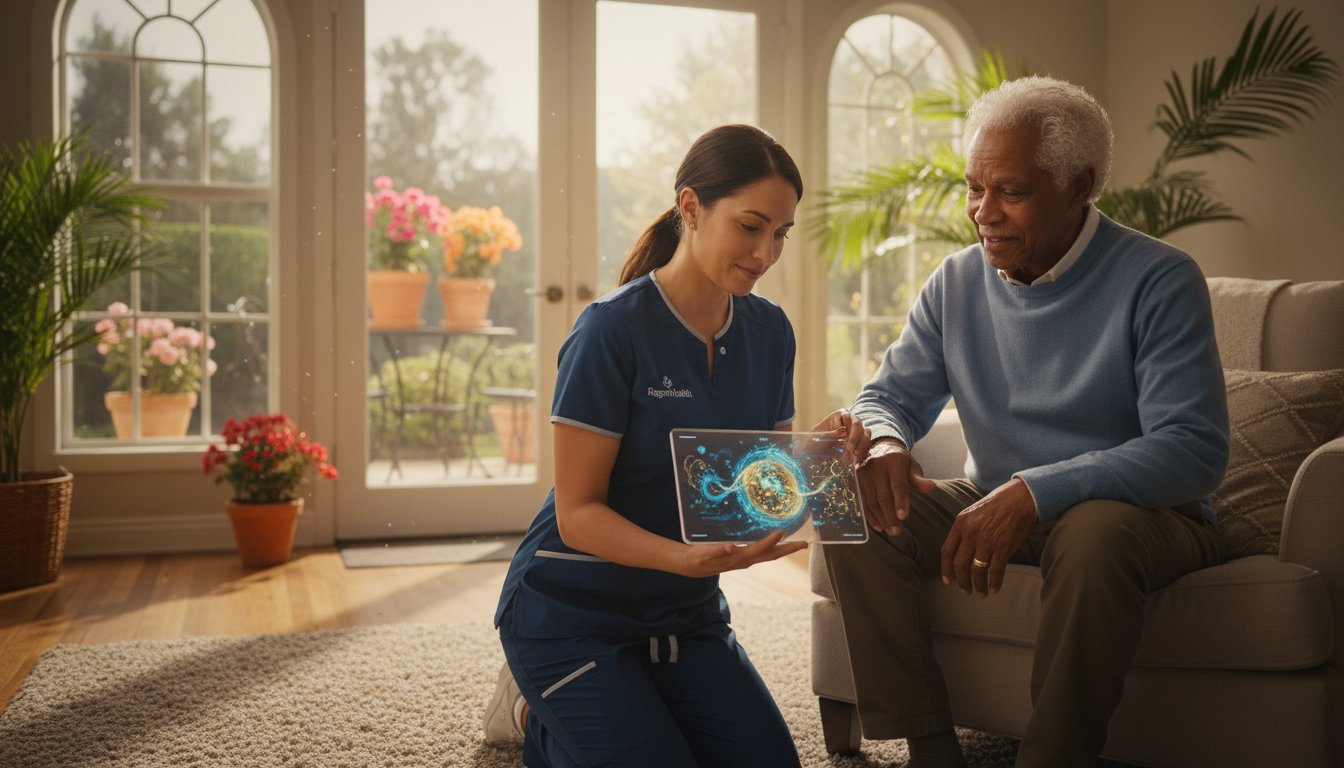
A study published in May 2025 found that when a chronic wound diagnosis is delayed by more than 12 weeks, the healing rate at the 12-week follow-up is exactly 0%. This statistic is a stark reminder that time is the most critical factor in limb preservation and longevity. If you're managing a non-healing ulcer, you likely understand the exhausting logistics of arranging transportation for a non-ambulatory patient. It's natural to feel a sense of urgency mixed with uncertainty about what to do if you can't get to a wound clinic when mobility is a significant barrier.
You deserve access to peak medical performance without the trauma of a clinical commute. This guide shows you how to secure a 360-degree view of your health by bringing advanced specialists and bio-engineered skin substitutes directly to your bedside. We'll detail how mobile advanced care prevents severe infection and explain the January 2026 CMS reimbursement shift to a $127.28 per square centimeter flat rate. This ensures you have a clear, actionable roadmap for your recovery that prioritizes both clinical excellence and your personal quality of life.
Key Takeaways
- Identify the specific clinical markers of wound stasis that signal the need for immediate, specialized intervention to protect your long-term mobility.
- Understand what to do if you can't get to a wound clinic by leveraging mobile specialists who deliver hospital-grade regenerative therapies to your bedside.
- Contrast the maintenance focus of standard home health with the interventional precision of mobile advanced wound care to optimize your healing trajectory.
- Discover how amniotic membrane grafts and bio-engineered skin substitutes jumpstart biological repair mechanisms to prevent severe infections and promote tissue regeneration.
- Learn how families and case managers in Southern California can easily initiate the referral process for elite, Medicare-compliant mobile medical services.
The Risks of Delayed Care: Why 'Waiting to Visit' a Clinic is Dangerous
Stagnation in tissue repair is a biological alarm. A non-healing wound is clinically defined as any lesion that shows no measurable progress toward closure within two weeks, or one that reaches a state of total stasis for six weeks. This delay often triggers the "Immobility Trap," where the logistical nightmare of transporting a non-ambulatory patient leads to dangerous medical procrastination. Understanding the wound healing process is essential to recognizing when this natural system has failed. When you're struggling with transportation, knowing what to do if you can't get to a wound clinic becomes a matter of limb preservation and long-term vitality.
Recognizing the Warning Signs of a Chronic Wound
Visual cues offer a window into the wound's biological state. You should look for eschar, which is tough, black necrotic tissue, or slough, the yellow, stringy material that prevents healthy granulation. A chronic wound is a persistent barrier to your peak performance and daily quality of life. Immediate red flags include a foul odor, increased drainage, or localized heat, all of which suggest the inflammatory phase has become pathological. These symptoms indicate that the body's internal repair mechanisms require external, high-tech intervention to resume the healing trajectory.
The Escalation Ladder: From Ulcer to Amputation
Without expert debridement, a simple diabetic ulcer can rapidly progress down a path toward amputation. This escalation creates a profound psychological toll on caregivers who feel helpless watching a loved one's condition worsen while stuck at home. For elderly patients with vascular issues, "watchful waiting" is a high-risk strategy that often ends in tragedy. By the time many families realize what to do if you can't get to a wound clinic, the window for simple intervention may have closed. Accessing mobile wound care ensures that the escalation ladder is stopped early, replacing fear with a structured, professional roadmap to recovery.
Immediate Home Management: What to Do Before the Specialist Arrives
Stabilization is your primary objective while you bridge the gap to professional care. When you're determining what to do if you can't get to a wound clinic, shift your mindset from "curing" the injury to "stabilizing" the biological environment. This proactive approach prevents the wound from regressing further into a state of chronic stasis. Your first priority is the immediate redistribution of pressure, which is the most common catalyst for bed sores and ulcers. For non-ambulatory patients, even small shifts in position every two hours can significantly improve tissue perfusion and oxygenation.
View nutrition as a critical biomarker for your recovery process. Skin repair is a metabolically demanding task that requires an optimized intake of high-quality proteins and consistent hydration. Without these fundamental building blocks, the body lacks the raw materials necessary to synthesize new collagen. You should also begin a rigorous documentation process. Use your smartphone to capture clear, well-lit photos of the wound next to a measuring tape. Tracking changes in size, depth, and color provides your future specialist with invaluable data to refine your personalized care plan. If you're ready to move beyond basic home monitoring, a bedside wound evaluation can transform this data into a definitive clinical roadmap.
Safe Cleaning and Dressing Protocols
Adopting a "less is more" philosophy is vital for protecting fragile new tissue. Avoid harsh antiseptics like hydrogen peroxide or rubbing alcohol, as these chemicals are cytotoxic and destroy the very fibroblasts needed for closure. Instead, use a sterile saline solution for gentle irrigation. Modern wound science identifies a moist healing environment as the gold standard for success. Choose a dressing that balances moisture; it should be absorbent enough to manage exudate (drainage) without allowing the wound bed to become desiccated or overly saturated.
Managing Underlying Conditions at Home
Healing doesn't happen in a vacuum. It requires the precise management of systemic health markers. For those seeking diabetic ulcer treatment, blood sugar optimization is non-negotiable. Elevated glucose levels impair white blood cell function and stall the inflammatory phase of repair. Similarly, implementing basic edema management through leg elevation can reduce the venous pressure that often starves the skin of nutrients. By offloading pressure and controlling these underlying variables, you create the stable foundation necessary for advanced regenerative therapies to succeed once the specialist arrives at your bedside.
Mobile Wound Care vs. Standard Home Health: Understanding the Difference
General nursing care is a vital foundation, but it isn't a solution for biological stasis. Many families mistakenly believe that standard home health services are equivalent to clinic-based treatment. This confusion often leads to a standstill in recovery. Standard home health provides "maintenance care," focusing on general monitoring and basic dressing changes. In contrast, mobile advanced care is "interventional care." It brings the full diagnostic and procedural power of a specialized center directly into your living room. When you're determining what to do if you can't get to a wound clinic, it's essential to recognize that a general nurse may not have the licensing or equipment to perform the advanced procedures required to jumpstart a stalled wound.
Home health agencies often reach a clinical ceiling where they must refer patients out to a physical facility for specialist interventions. This creates a crisis for non-ambulatory patients who cannot easily travel. Healix360 fills this gap by operating as a mobile specialist extension. Because these visits are led by board-certified providers, they're typically covered under Medicare Part B as professional specialist services rather than being bundled into a general home health episode. This distinction allows you to receive elite, hospital-grade care without exhausting your home health resources or risking the physical strain of an unnecessary hospital trip.
The Role of the Board-Certified Specialist
Advanced Diagnostics at the Bedside
Effective treatment begins with high-level data. Mobile specialists utilize bedside wound culture and sensitivity testing to identify specific bacterial strains, ensuring that antibiotic or antimicrobial interventions are targeted rather than speculative. We also perform non-invasive vascular assessments to check for poor blood flow, a primary cause of non-healing ulcers. Mobile wound care is a high-end medical service designed for the modern patient who views their health as their most valuable asset. By bringing the lab to the bedside, we eliminate the diagnostic delays that often lead to poor outcomes. To learn more about our specific methodology, you can explore our mobile wound care services and how they integrate into your personalized wellness journey.

Bringing the Lab to the Bedside: Advanced Regenerative Treatments
The era of passive wound management, characterized by simple ointments and repetitive bandage changes, has been replaced by a new standard of biological intervention. High-end medical science now arrives at your doorstep, utilizing bio-engineered technology that was once exclusive to hospital surgical suites. If you're currently navigating the uncertainty of what to do if you can't get to a wound clinic, the solution is a transition to mobile regenerative therapy. This approach doesn't just cover a wound; it utilizes skin substitutes to provide a biological scaffold that encourages your own cells to migrate and repair damaged tissue.
The Power of Amniotic Allografts
Amniotic membrane grafts represent the peak of modern regenerative medicine. These bio-engineered tissues are naturally rich in essential growth factors and cytokines that actively reduce inflammation and jumpstart the body's natural repair mechanisms. They're particularly effective for stubborn diabetic and venous ulcers that have failed to respond to traditional treatments. One of the most significant benefits is the convenience of bedside application. Because these grafts are minimally invasive, they don't require anesthesia or a hospital stay, making them an ideal choice for patients with limited mobility.
Surgical-Grade Care in a Home Setting
Managing surgical wound care and potential dehiscence at home can be a source of immense anxiety for families. Mobile specialists eliminate the need for a stressful ER visit by providing expert monitoring and intervention for complex post-operative sites. This comprehensive approach includes specialized compression therapy, which is vital for long-term vascular health and the prevention of future ulcers. By integrating these advanced technologies, we ensure that complex patients achieve "hospital-at-home" outcomes that prioritize both clinical success and personal comfort. If you're ready to experience this level of precision, you can request an advanced mobile wound evaluation to begin your personalized recovery journey.
How to Access Expert Mobile Wound Care in Southern California
Accessibility shouldn't be a luxury in modern medicine, especially when dealing with the high stakes of tissue preservation. For residents in Glendale, Los Angeles, and surrounding communities, mobile wound care represents a paradigm shift in how we approach chronic illness. If you've been wondering what to do if you can't get to a wound clinic, the process begins with a simple referral. Families, case managers, and home health agencies can initiate a request for a specialist evaluation directly. This collaborative model ensures that you remain the focal point of the journey, receiving elite care without the physical and emotional toll of a clinical commute.
During the initial bedside evaluation, our specialists perform a comprehensive assessment of the wound’s biomarkers and your overall vascular health. We don't just observe; we act. The first visit often includes immediate treatment applications, such as sharp debridement or the placement of an advanced skin substitute, to begin the transformative healing process immediately. This proactive approach restores a sense of autonomy and dignity to patients who may have felt sidelined by their mobility limitations. By bringing the specialist to the bedside, we provide a 360-degree view of your health that standard home visits often overlook.
Navigating Insurance and Medicare Part B
Understanding the financial logistics of home-based specialty care is essential for long-term peace of mind. Mobile wound specialists are typically billed under Medicare Part B, functioning exactly like a visit to a physical outpatient clinic. This transparency eliminates the confusion often associated with home health billing cycles. By professionalizing the bedside experience, we reduce the financial and logistical friction that often prevents families from seeking the best possible medical outcomes. It's a streamlined process designed to prioritize your recovery over paperwork, ensuring that high-level medical concepts feel attainable and manageable.
Taking the First Step Toward Healing
For caregivers at their breaking point, the solution isn't more effort; it's better architecture. Healix360 acts as a visionary health architect for the homebound, translating complex biological data into a clear, actionable roadmap for recovery. You're no longer alone in managing these complex health challenges. By choosing an integrative, mobile approach, you're investing in your longevity and ensuring that every detail of your health is managed with precision. If you're still searching for what to do if you can't get to a wound clinic, your first step is to contact a specialist who brings the breakthrough science of the future to the comfort of your home today. This partnership ensures that your health, your most valuable asset, is in expert hands.
Securing Your 360-Degree Path to Healing
Healing is a dynamic biological process that shouldn't be halted by the physical constraints of transportation. You've learned that a wound showing no progress for 14 days requires immediate intervention to prevent systemic decline. While standard home health offers essential support, mobile advanced care provides the specialized debridement and regenerative scaffolds necessary to restart a stalled recovery. Knowing what to do if you can't get to a wound clinic simplifies your health journey from a series of logistical hurdles to a clear, data-driven roadmap for tissue repair.
Our team at Healix360 serves as your health architect, bringing the breakthroughs of modern medicine directly to your bedside. As a dedicated Medicare Part B provider, we offer professional consultations and surgical-grade treatments that prioritize your long-term longevity. Our board-certified wound specialists provide expert mobile care across Glendale and Los Angeles, ensuring no detail of your recovery is overlooked. Schedule a Bedside Evaluation with a Healix360 Specialist Today and reclaim your vitality from the comfort of home. Your health is your most valuable asset, and we're here to help you protect it with confidence and precision.
Frequently Asked Questions
Is it possible to receive advanced wound care if I am homebound?
Yes, you can receive hospital-grade treatments in a residential setting through mobile advanced care. This service is specifically designed for non-ambulatory patients who face significant transportation challenges. Our specialists bring portable diagnostic tools and regenerative therapies directly to your bedside, ensuring that immobility never becomes a barrier to limb preservation or systemic health optimization.
Does Medicare cover mobile wound care specialists coming to my home?
Medicare Part B typically covers mobile wound specialist visits just as it would an outpatient clinic appointment. These are billed as professional specialist services rather than bundled home health episodes. This ensures you can access elite care without the financial friction often associated with high-end medical interventions. We handle the documentation required to prove medical necessity for these bedside procedures.
What is the difference between a home health nurse and a wound care specialist?
The primary difference lies in the scope of practice and procedural capability. While a home health nurse focuses on general monitoring and basic dressing changes, a wound care specialist performs interventional procedures like sharp debridement and skin substitute application. This specialized expertise is essential when you're deciding what to do if you can't get to a wound clinic but require more than basic maintenance care.
Can skin grafts or amniotic membranes be applied outside of a hospital?
Modern regenerative science allows for the bedside application of amniotic membrane grafts and bio-engineered skin substitutes. These tissues don't require general anesthesia or sterile operating rooms for application. By applying these scaffolds at home, we jumpstart the biological repair process and reduce the inflammatory markers that often stall healing in chronic diabetic or venous ulcers.
What should I do if my wound has a foul odor or is changing color?
Immediate clinical evaluation is necessary if you notice a foul odor, increased drainage, or a shift to dark, necrotic colors. These are biomarkers of infection or tissue death that require expert debridement. If you're unsure what to do if you can't get to a wound clinic, capturing a photo for a remote assessment can help determine the urgency of a bedside visit to prevent complications like sepsis.
How do I get a referral for a mobile wound care specialist in Los Angeles?
Accessing a mobile specialist in Los Angeles or Glendale is a streamlined process. Families or case managers can initiate a referral by contacting our intake team directly. We coordinate with your primary care physician or existing home health agency to integrate our advanced treatments into your current care plan, ensuring a seamless transition to high-performance wound management.
What happens if a wound dehisces (opens up) after surgery at home?
Surgical dehiscence requires immediate professional stabilization to prevent further tissue separation or infection. A mobile specialist can evaluate the site at your bedside, perform necessary cleaning, and apply advanced dressings or negative pressure therapy to encourage re-approximation. This specialized intervention often prevents the need for an emergency room visit or a secondary inpatient surgical procedure.
Can a mobile specialist perform debridement in an assisted living facility?
Yes, our specialists frequently perform sharp debridement and other advanced procedures within assisted living and memory care environments. We bring all necessary sterile equipment to the resident's room, providing a higher level of clinical intervention than the facility's general staff typically offers. This ensures that residents receive elite wound care without the trauma of frequent ambulance transfers to external clinics.


